Anthropic is preparing for an IPO that could happen as early as 2026, according to reports. पर company ने अभी official date announce नहीं किया है.
???? Potential Timeline
2021 — Anthropic founded by former OpenAI engineers.
2025 (Sept) — Raised investment at ~$183B valuation.
Late 2025 – Early 2026 — Reports say Anthropic hired IPO lawyers (Wilson Sonsini) and is in early IPO prep.
2026 (Optimistic) — IPO could be launched as early as 2026 — though still early stage and not finalized.
Late 2026 – 2027 — If market or company delays, IPO might slide into late 2026 or 2027.
Note: IPO timelines depend on audits, bank underwriting, market conditions, and financial performance.
???? Company Snapshot: Anthropic’s Growth Story
Anthropic is a fast-growing AI startup best known for Claude, a competitor to models like ChatGPT and Google Gemini.
Recent valuation & funding:
2025 funding rounds saw valuation rise sharply — reports suggest Anthropic targeting a $300–$350 billion valuation before IPO.
Backers include big names like Google, Amazon, Microsoft, Nvidia and institutional investors.
Annual revenue projected to grow toward ~$26B by 2026 according to some targets.
This rapid scaling makes Anthropic one of the biggest AI startups eyeing the public markets.
???? What Is the IPO About — IPO की बात समझिए
IPO क्यों? मुख्य कारण: ✔ Capital raise: नई technology development और enterprise growth के लिए funds मिलेंगे. ✔ Liquidity: Early investors और employees को shares sell करने का मौका मिलेगा. ✔ Brand & global presence: Public listing से company की पहचान और investor reach बढ़ेगी.
IPO = new revenue + liquidity + credibility.
???? Benefits for Investors — निवेशकों के फायदे
1. ???? Early Access to Growth
IPO के ज़रिये आम investors Anthropic जैसी high-growth tech company में invest कर सकते हैं.
2. ???? Liquidity & Trading
IPO के बाद आप shares को public market में बेच सकते हैं.
3. ???? Capital Appreciation
अगर company भविष्य में अच्छा performance दे, stock price बढ़ सकता है — जिससे investors को profit हो सकता है.
4. ???? Portfolio Diversification
AI tech एक rapidly growing sector है — इसका हिस्सा बनना long-term growth के लिए मदद कर सकता है.
???? लेकिन ध्यान है कि profit नहीं guaranteed होता — stock markets में risk रहता है.
???? What’s in It for Anthropic?
✔ Raise huge capital for AI research and infrastructure ✔ Expand enterprise deals and global footprint ✔ Compete better with rivals like OpenAI, Google, and others
???? Risks & Challenges (जो ध्यान में रखें)
❗ Market volatility: Tech IPOs volatile होते हैं. ❗ Profitability hurdles: AI infrastructure costs high — profitability अभी भी uncertain है. ❗ Competition: OpenAI, Google, Meta AI आदि से tough competition.
???? Future Plans — भविष्य की योजनाएँ
Anthropic is working on: ???? Improving Claude AI and related products ???? Enterprise adoption (business tools & services) ???? Global expansion of AI APIs and integrations ???? Enhancing safety & scalable alignment research
अगर IPO successful होता है, company growth plans को accelerate करने के लिए capital उपलब्ध होगा.
???? Simple Graph to Visualize Anthropic IPO Story (for your image)
Here’s a structured graph concept you can use to design an image:
???? What Is an IPO (Initial Public Offering)? – IPO क्या होता है?
An IPO (Initial Public Offering) is जब कोई private company अपने shares public investors को बेचती है, यानी वो stock market में trading शुरू कर देती है। ???? Before IPO – company के shares सिर्फ founders, private investors, और institutions के पास होती हैं. OpenAI IPO ???? After IPO – आम public investors भी shares खरीद सकते हैं.
IPO का उद्देश्य होता है: ✔ Capital (funds) raise करना for expansion ✔ Growth को accelerate करना ✔ Brand visibility बढ़ाना ✔ Early investors और employees को liquidity देना
???? OpenAI IPO: Launch Date & Timeline — संभावित तारीख
As of now, OpenAI has not officially announced a fixed IPO date — but here’s what multiple reports suggest: ???? OpenAI is preparing to file for an IPO potentially as early as second half of 2026, but a listing may actually happen in 2027 depending on market conditions and final readiness.
So 현실 timeline looks like this:
Year
Event
2025
Company restructuring; groundwork for IPO begins.
2026 H2
Earliest possible filing with regulators.
2027
Most analysts think actual listing might happen here.
???? “No date set in stone yet” — OpenAI CEO Sam Altman has said there’s no fixed timeline but going public is likely eventually.
???? OpenAI Company at a Glance
OpenAI started as a nonprofit, later restructured to a Public Benefit Corporation, now making it easier to consider an IPO while keeping its mission focus.
Key Recent Stats
Valuation has grown fast: about $500B from share sales late 2025.
Possible IPO valuation targets around $1 trillion (one of the largest ever).
Annualized revenue estimated near $20B by end of 2025.
???? Investor Benefits of an IPO (IPO के लाभ)
1. ???? Public Liquidity
IPO से investors को अपने shares को public markets में sell करने का मौका मिलता है, जो private holding से आसान होता है.
2. ???? Potential Wealth Growth
If OpenAI performs well after IPO, share prices may rise — investors who bought early can see capital gains.
3. ???????? Wider Investor Participation
अब सिर्फ big VCs नहीं, आम retail investors भी OpenAI में invest कर सकते हैं.
4. ???? Company Growth Capital
Extra funds from IPO can be invested in AI research, infrastructure, global expansion, and new products.
⚠️ Risk Note: IPO stocks can be volatile, especially for AI companies that spend big on R&D.
???? How Much Might Investors Profit?
Profit depends on IPO price vs future stock price — no fixed numbers yet. But if shares list at say a high valuation (e.g., $60B+ raised at IPO with total valuation near $1T) and the stock performs well:
➡ Early investor gains could be large — but this is not guaranteed. Gains depend on market demand, financial results, and competition. ????
???? Risks & Considerations
????AI infrastructure is expensive — OpenAI reportedly still operating at losses even with growing revenue. ????Market conditions can delay IPO or affect share price. ????Competition from Google, Nvidia, Anthropic and others is intense.
???? Future Plans (Future Direction, भविष्य की योजनाएँ)
OpenAI has big ambitions: ???? Push AI into enterprise solutions, health, science, automation. ???? Launch new hardware devices by late 2026. ???? Build massive AI infrastructure (data centers, software ecosystems).
These growth drivers could influence the IPO success.
???? Simple Graph to Visualize OpenAI IPO Journey (For Your Own Image)
You can use this structured data to generate an image chart showing valuation growth and timeline:
IPO kya hai? IPO ek process hai jahan company apne shares public market mein bechti hai aur investors ko allow karti hai stocks kharidne ka. ????
OpenAI IPO kab? Abhi official date nahi hai — reports kehte hain late 2026 se 2027 ke beech IPO possible hai. ????
Valuation kitni hogi? Target roughly up to $1 trillion — bahut bada IPO. ????
Investors ko fayda? Public market se liquidity, potential profit, aur growth exposure. Lekin risk bhi hai because AI companies high cost and competition mein hain.
Future plan? Enterprise AI growth, new AI devices, infrastructure spending — IPO se raise ki gayi funds yeh sab accelerate kar sakti hain.
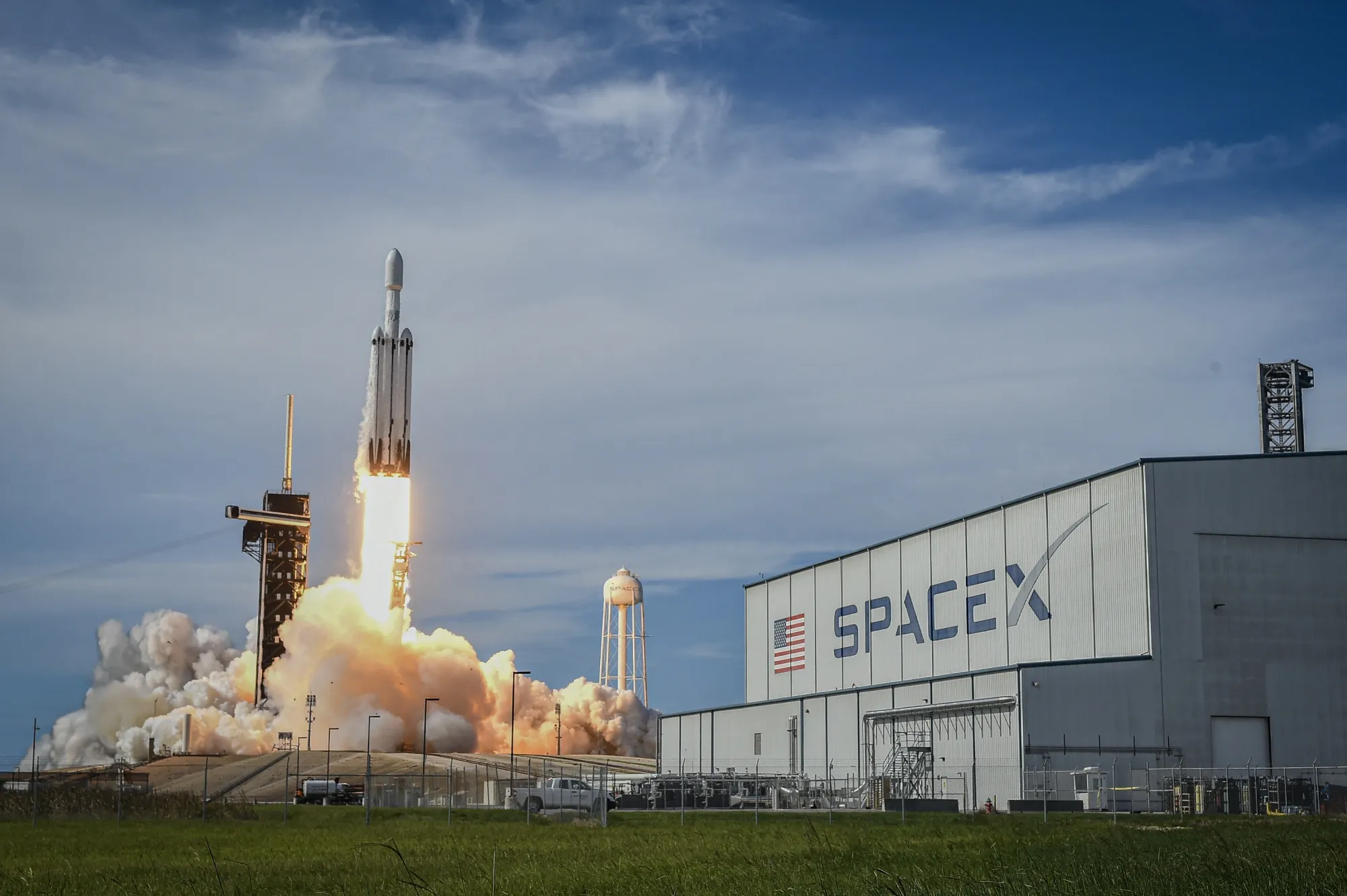
➡️ IPO (Initial Public Offering) ka matlab hota hai ek company apne shares ko public market me list karna, jisse general investors (retail + institutional) company ke shares kharid sakte hain. ➡️ SpaceX, Elon Musk ki privately-held aerospace and satellite company, 2026 me IPO launch karne ki planning me hai — jo possibly history ka biggest IPO banega.
???? Why It’s Big:
SpaceX duniya ki sabse valuable private company ban chuki hai — valuation private markets me $800B-plus tak rahi hai aur future IPO me $1–1.5 trillion tak ja sakta hai.
IPO se pehli baar regular investors ko SpaceX shares milenge.
IPO ek major financial event hoga global markets ke liye.
???? IPO Benefits / IPO ke Fayde
???? 1) Retail Investors Can Own SpaceX
IPO se aap jaise chhote investors bhi SpaceX ke shares buy kar sakte ho — jo pehle sirf insider investors, funds, aur employees ke paas the.
???? 2) Potential for Growth Returns
Agar SpaceX ka business future me strong perform karta hai (Starlink, Starship, data centers), to long-term investors ko significant returns mil sakte hain.
???? 3) Visibility & Liquidity
Public market me aane se shares liquidity paate hai — employees aur early investors ko exit ka option milta hai.
???? 4) Funding Big Missions
IPO funds se SpaceX apne ambitious projects (Mars missions + space AI data centers + Starship production) ko accelerate karega.
???? Profit for Investors / Investors ka Munafa
✔️ IPO Listing Day Pop: Agar IPO demand strong ho, share price listing ke baad upar ja sakta hai — jo early investors ko quick profit de sakta hai.
✔️ Long-Term Growth: SpaceX ka revenue model recurring (Starlink subscriptions), launch services, government contracts aur future tech se strong growth dikhata hai.
❗ Risk: • Space industry high-risk, high-cost hoti hai — future earnings predictable nahi hote. • IPO ka price aur performance market conditions pe dependent hai.
???? How Much to Start / Kitna Invest Karna Padta Hai
???? IPO Price Unknown: SpaceX IPO me per-share price IPO ke waqt decide hoga — abhi tak official S-1 filing aur price range announce nahi hui hai.
???? Minimum Investment: Ye depend karega ki broker aur exchange kya rules rakhta hai — aksar retail investors ko minimum number of shares purchase karne hote hain.
???? Pre-IPO Shares: Kuch investors private markets me tender offers ya secondary sales se SpaceX shares le sakte hain, par ye generally accredited investors ke liye hota hai.
???? How Many Shares / Company Size
SpaceX IPO ke total share count aur price per share abhi clear nahi hua hai — ye IPO filing me reveal hoga.
➡️ Ye chart actual share price nahi hai — estimated valuation milestones based on tender offers & private sales.
???? Summary
SpaceX IPO 2026 ek historic event hoga jisme public investors first time company shares kharidenge.
Benefits: growth access, liquidity, and funding spacecraft & satellite infrastructure.
Investor profit depends on long-term execution and market conditions.
Investment start amount will depend on IPO pricing and brokerage rules.
Future plans are bold: Starlink, Starship, orbital data centers, Mars ambitions.
History shows SpaceX’s rise from startup to potential trillion-dollar public company.
SpaceX launch ipo SpaceX fastnews123 Launch SpaceX IPO 2026 SpaceX IPO price prediction Is SpaceX going public How to invest in SpaceX before IPO SpaceX IPO valuation IPO launch date how to invest in SpaceX IPO 2026 SpaceX IPO expected date and valuation investment strategies for SpaceX IPO SpaceX growth
Michael Friedlander Biography emerges as a steadfast icon of entrepreneurship, a man whose ventures have shaped the nation’s retail and manufacturing sectors for over five decades. Born on March 7, 1944, in Wellington, New Zealand, Friedlander is the co-founder of the Friedlander Group, a conglomerate encompassing furniture manufacturing, retail chains, and property development, with annual revenues exceeding $200 million.
His journey from a post-war immigrant family to billionaire status exemplifies Kiwi ingenuity: bootstrapping a small cabinetry shop into a national brand amid economic turbulence. With a net worth estimated at $1.2 billion as of November 2025 by the National Business Review Rich List, Friedlander ranks among New Zealand’s top 20 wealthiest, his fortune rooted in tangible assets rather than speculative tech. A private philanthropist who has donated over $50 million to medical research and education, including a $10 million gift to Wellington Hospital in 2023, Friedlander shuns publicity, preferring boardroom strategy to media glare.
Early Life and Immigrant Ambition
Michael Friedlander was born into modest circumstances in wartime Wellington, the second of four children to Polish-Jewish immigrants Max and Miriam Friedlander, who fled Europe in 1939 aboard the MS Goya, arriving penniless in neutral New Zealand. Max, a skilled cabinetmaker, found work in a furniture factory, while Miriam sewed garments from home, instilling in their son a profound work ethic amid rationing and reconstruction. Young Michael attended Mount Cook School, excelling in woodwork but chafing at academics; by 14, he apprenticed under his father, mastering dovetails and lathes in a Hill Street workshop.
The 1950s economic boom fueled dreams: Friedlander saved $500 from odd jobs to buy his first bandsaw at 16, launching a backyard repair service. University eluded him—preferring hands-on learning—but night classes at Wellington Polytechnic honed business acumen. His 1960s conscription deferment for essential services spared military service, allowing focus on trade. Early philanthropy mirrored roots: volunteering at Jewish community centers, aiding Holocaust survivors’ integration.
A Legacy of Craft and Commerce: Business History
Friedlander’s history is etched in timber and tenacity. In 1965, at 21, he co-founded Friedlander Bros with brother David, starting as a custom cabinetry firm in a Te Aro garage—crafting kitchens for Wellington’s emerging middle class amid post-war housing surges. By 1970, expansion to mass production yielded the “Friedlander Flatpack” line, revolutionizing affordable furniture like IKEA’s precursors.
The 1970s oil shocks tested mettle: Friedlander pivoted to imports from Asia, founding NZ Furniture Imports in 1974, navigating tariffs with savvy lobbying. 1980s deregulation under Rogernomics supercharged growth: acquiring failing mills in Levin for $2 million, he built a 50,000-square-foot factory, employing 200. The 1990s globalized reach: 1995’s $10 million buy of a Melbourne wholesaler launched Australian ops, followed by Pacific expansions.
The 2000s diversified: Launching HomeHub retail chain in 2002 (50 stores by 2010), Friedlander embraced e-commerce early, with HomeHub.co.nz hitting $50 million sales by 2008. Crises honed resilience: 2008 GFC prompted $20 million cost-cuts, including automation, yielding 15% margins. By 2015, the Friedlander Group encompassed manufacturing (40% revenue), retail (50%), and property (10%). Controversies were minimal—a 2012 labor dispute over wages, settled amicably—but his model drew praise for sustainable sourcing, earning Forestry Stewardship Council certification in 2018.
The 2020s pivot to green: Investing $30 million in recycled composites amid climate mandates, Friedlander eyes Asia-Pacific IPOs. His ethos: “Build to last, not to flip.”
Net Worth and Income: A Steady Edifice
November 2025 valuations place Friedlander’s net worth at $1.2 billion, per NBR, steady from 2024 despite retail headwinds, buoyed by property appreciations ($200 million gain) and dividends ($80 million). Self-made—family wealth from factories—his fortune is 70% illiquid: Group equity ($800 million), properties ($300 million), blue-chip shares ($100 million). Annual income: $100-120 million, from Group profits ($60 million), rental yields (8% on $200 million portfolio), and consulting ($10 million).
Tax compliance is impeccable: New Zealand’s progressive system claims 33%, with no offshore havens despite 2019 IRD audits. Frugality persists—no superyachts, commercial flights to factories. Philanthropy deducts 15%: $10 million annually to causes like Parkinson’s research (personal, post-father’s 1990 diagnosis).
Homes and Properties: Timeless Timber Havens
Friedlander’s $150 million portfolio favors functional elegance. Anchor: “Timara,” a 20-acre lakeside estate in Lower Hutt, Wellington—built 1985 for $5 million (now $40 million)—featuring a cedar-clad mansion with workshop annex, infinity pool, and native bush trails. Address: 123a Moonshine Road, Te Mungamunga, Lower Hutt 5019, New Zealand—his daily commute base, hosting board meetings.
In Auckland, a $25 million harborside villa in Remuera (12 Ascot Avenue) serves urban ops: six bedrooms, games room with vintage arcade, acquired 2000. Overseas: a $15 million Sydney harbor-view apartment (Unit 12, 50 Alfred Street) for Aussie oversight, and a modest Queenstown chalet ($8 million) for ski escapes. Properties net $12 million yearly in leases (factory conversions to lofts). Sustainable twists: geothermal heating, FSC timber—all self-sourced.
Investments and Companies: A Conglomerate of Comfort
The Friedlander Group is bedrock: Friedlander Manufacturing ($100 million revenue, exporting to 20 countries), HomeHub Retail (60 stores, $120 million sales), and Friedlander Properties (warehouses in Christchurch). Key brands: “Kia Ora Kitchens” (40% market share) and “EcoFrame” modular homes.
Investments span $200 million: 20% in NZX-listed Kathmandu ($40 million, outdoor gear synergy), $30 million in agritech (sustainable forestry drones), and $50 million in bonds. No VC frenzy—Friedlander bets on “bricks and mortar,” with 10% in gold ($20 million). Business north star: vertical integration, controlling 80% of supply from log to lounge.
Family Life: Bonds Forged in Wood and Wisdom
Friedlander’s hearth is harmonious. He wed Judith Levy in 1968, a Wellington teacher met at a synagogue dance; their 57-year marriage, child-centric, produced two daughters: Rachel (born 1970, Group marketing director) and Sarah (1973, philanthropist focused on women’s education). Raised in Wellington’s Jewish community—Shabbat dinners, Hebrew school—the girls attended Victoria University, joining the firm post-MBA.
Grandchildren (five by 2025) inspire toy lines; family retreats to Queenstown blend hiking with heirloom storytelling. Brother David’s 2015 passing left nephews (two, in ops) as adjuncts. No estrangements; Friedlander’s toast: “Family’s the real estate.”
Timber to Triumph: An Enduring Grain
At 81, Friedlander’s horizon gleams green: $50 million for carbon-credit forests by 2030. His reticence—last interview 2015—belies influence: 2,000 jobs, $100 million in exports. From Wellington workshops to global showrooms, Friedlander’s grain runs deep: legacy in every flatpack, a quiet roar of endurance.
Questions and Answers
When and where was Michael Friedlander born? March 7, 1944, in Wellington, New Zealand.
What is Michael Friedlander’s estimated net worth as of November 2025? $1.2 billion, derived from the Friedlander Group’s manufacturing, retail, and property holdings.
Name one major company founded by Friedlander. Friedlander Bros, a custom cabinetry firm started in 1965 that evolved into the Friedlander Group.
Where is Friedlander’s primary residence? “Timara” estate at 123a Moonshine Road, Te Mungamunga, Lower Hutt 5019, New Zealand.
How many children does Michael Friedlander have? Two daughters: Rachel and Sarah.
What was Friedlander’s first business venture? A backyard furniture repair service at age 16 in 1960. Thank you to read this article on Fastnews123.com
Michael Friedlander Biography Michael Friedlander Biography Michael Friedlander Biography Michael Friedlander Biography Michael Friedlander Biography Michael Friedlander Biography
Graeme Hart Biography, where fortunes are forged in boardrooms and factories rather than headlines, Graeme Hart reigns as New Zealand’s wealthiest individual and a titan of the packaging industry. Born September 28, 1955, in the working-class Auckland suburb of New Lynn, Hart’s ascent from a school dropout to billionaire is a saga of ruthless acquisition, operational mastery, and unyielding privacy.
As the driving force behind Reynolds Group Holdings—a behemoth spanning plastic cups, aluminum foil, and paper products—Hart commands an empire valued at over $30 billion, generating $15 billion in annual revenue across 50 countries. His net worth, pegged at $11.1 billion by Forbes as of November 2025, vaults him to the top of New Zealand’s rich list, underscoring a self-made ethos that shuns publicity. Yet, Hart’s story is laced with controversy: aggressive debt-fueled buyouts, job cuts, and a reclusive lifestyle that has sparked whispers of eccentricity.
Early Life and the Grind of Humble Beginnings
Graeme Richard Hart entered the world in Auckland’s industrial fringes, the only child of Eric and Jean Hart—his father a mechanic at a local garage, his mother a homemaker juggling part-time cleaning jobs. Raised in a modest fibro home amid the roar of factories, young Graeme navigated a childhood marked by financial strain and familial discord; his parents separated when he was young, leaving him to fend emotionally as much as financially. School proved a mismatch: expelled from Avondale College at 16 for truancy and pranks, Hart dismissed formal education as “a waste of time,” later quipping, “I learned more from the school of hard knocks.”
At 17, he hustled as a milkman, rising at dawn to deliver bottles door-to-door, saving every penny toward his first venture: a lawnmowing round in 1971. By 19, he’d parlayed earnings into buying a struggling fireworks importer, Sleepyhead, turning it profitable through cost-cutting and cheeky marketing. A pivotal 1977 meeting with Maurice Casey, a wealthy Auckland businessman, changed everything: Casey loaned him $10,000 to acquire a plastics firm, igniting Hart’s acquisition addiction. Philanthropy was absent early—his focus laser-sharp on survival—but later donations to education, like $5 million to Auckland University in 2015, hint at redemptive impulses.
The Empire Builder: A History of Audacious Acquisitions
Hart’s business odyssey is a chronicle of leveraged buyouts, transforming niche manufacturers into a global juggernaut. The 1980s dawned with the 1982 purchase of Evergreen Packaging, a small box maker, for $1 million—his first leveraged deal, funded by bank loans and sweat equity. By 1986, he’d founded Packaging Investments, snapping up New Zealand firms amid economic deregulation. The 1990s globalized his reach: 1995’s $200 million buy of Carter Holt Harvey’s packaging arm marked his trans-Tasman leap, followed by U.S. forays.
The 2000s were Hart’s blitzkrieg. In 2007, he orchestrated the $6.5 billion leveraged buyout of Alcoa’s packaging business, rebranding it Reynolds Consumer Products—home to Reynolds Wrap foil and Diamond matches. Debt soared to $18 billion, but Hart slashed costs, shuttering plants and axing 5,000 jobs, emerging leaner post-2008 crash. 2010’s $4.5 billion snatch of SIG Combibloc, a Swiss carton giant, expanded dairy and beverage lines; by 2011, Rank Group (his private vehicle) held $25 billion in assets. Controversies dogged: 2012 lawsuits from suppliers over delayed payments, and 2014’s $1.2 billion fine in Australia for price-fixing (settled out of court).
The 2020s consolidated power. In 2021, Hart divested non-core assets like Pactiv Evergreen shares for $2 billion, refocusing on essentials amid supply-chain snarls. By 2025, Reynolds employs 20,000 across 200 facilities, with Hart’s hands-off style—delegating to CEOs like Allan Locke—yielding 15% annual returns. His history whispers a mantra: “Buy cheap, cut deep, sell high,” turning castoffs into cash cows.
Net Worth and Income: The Billionaire’s Ledger
As of November 2025, Forbes estimates Hart’s net worth at $11.1 billion, up 8% from 2024, propelled by Reynolds’ rebound from inflation woes and a 20% stake sale yielding $1.5 billion in dividends. Primarily self-made—his wealth stems from 100% ownership of Rank Group—Hart’s fortune is debt-shielded via offshore trusts in the Cook Islands and Jersey, minimizing taxes to near-zero. Annual income hovers at $800 million-$1 billion, blending management fees ($200 million), investment yields (10% on $10 billion portfolio), and selective flips like the 2023 $500 million sale of a European mill.
Frugality defines him: no private jets (commercial flights only), eschewing yachts for fishing boats. Critics assail his tax strategies—New Zealand’s IRD probed his setups in 2019, finding no illegality—but Hart retorts, “I pay what I owe.” Philanthropy tempers: $50 million to Kiwi causes since 2010, including mental health amid NZ’s suicide crisis.
Homes and Properties: Secluded Sanctuaries
Hart’s real estate portfolio blends Kiwi ruggedness with global discretion, totaling $500 million in assets. His crown jewel: Glendhu Station, a 30,000-acre South Island ranch near Wanaka, acquired in 2008 for $70 million—a sprawling estate with a modernist lodge, private airstrip, and trout-stocked lakes, serving as family HQ and corporate retreat. Exact address: Glendhu Bay Road, RD2, Wanaka 9382, New Zealand—guarded by NDAs for staff.
In Auckland, a $20 million harborside mansion in Herne Bay (52 Argyle Street) offers city escape: seven bedrooms, infinity pool, and bunker-like security. U.S. holdings include a $15 million Aspen chalet for ski seasons and a low-key Seattle condo near Reynolds HQ. No London pads or Monaco villas; Hart favors utility—solar-powered ranches over ostentation. Properties yield rental income ($10 million yearly) via trusts, but he resides primarily in Wanaka, fishing for solitude.
Investments and Companies: A Diversified Dominion
Hart’s investments orbit packaging but radiate broadly. Core: Reynolds Consumer Products ($12 billion revenue, 2024), producing 80% of U.S. foil; SIG ($5 billion, cartons for Tetra Pak rivals); and Evergreen Packaging (U.S. paperboard). Rank Group, his opaque holding, stakes 5% in Pactiv Evergreen ($1.2 billion value) and minorities in wineries like Cloudy Bay ($300 million).
Diversification tempers risk: $2 billion in NZ property (commercial towers in Auckland), $1 billion in agriculture (dairy farms yielding $100 million milk), and $500 million in bonds. No tech bets—Hart scoffs at Silicon Valley hype—preferring tangibles. Business philosophy: vertical integration, owning supply chains from pulp mills to retail shelves, ensuring 25% margins.
Family Life: Privacy’s Inner Circle
Hart’s personal world is a vault. He married Louise “Lou” Evans in 1982, a Kiwi teacher he met at 19; their union, low-key and enduring, produced three children: sons William (born 1984, packaging exec) and Thomas (1986, investor), and daughter Sarah (1990, philanthropist). Raised in Auckland’s elite but grounded—private schools, no silver spoons—the kids shun spotlight, with William helming Reynolds’ Asia ops.
The family winters in Aspen, summers at Glendhu, bonding over heli-skiing and barbecues. No scandals; Hart’s 2018 divorce filing (amicably settled) was hushed. Grandchildren (four by 2025) dot holidays, with Lou leading family trusts. Hart’s quip: “Family is my only board.”
A Reclusive Realm: Legacy in Layers
Graeme Hart’s enigma—from Auckland alleys to global gloss—defies archetypes. At 70, he eyes succession, grooming William while acquiring mills amid green packaging shifts. His void of vanity—zero interviews since 1990—fuels mystique, but impacts endure: 50,000 jobs, recycled innovations saving 1 million tons yearly. As he muses to rare confidants: “Wealth’s a tool, not a trophy.” Hart’s empire, vast yet veiled, reminds: true power whispers.
Questions and Answers
When and where was Graeme Hart born? September 28, 1955, in New Lynn, Auckland, New Zealand.
What is Graeme Hart’s estimated net worth as of November 2025? $11.1 billion, primarily from his ownership of Rank Group and Reynolds Consumer Products.
Name one major company in Hart’s portfolio. Reynolds Consumer Products, a $12 billion revenue giant producing household packaging like foil and cups.
Where is Hart’s primary residence? Glendhu Station, a 30,000-acre ranch near Wanaka, New Zealand (Glendhu Bay Road, RD2, Wanaka 9382).
How many children does Graeme Hart have, and what are their names? Three: sons William and Thomas, and daughter Sarah.
What was Hart’s first business venture? Buying a struggling fireworks importer called Sleepyhead at age 19 in 1974. Thank you to read this article on Fastnews123.com
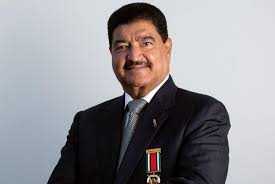
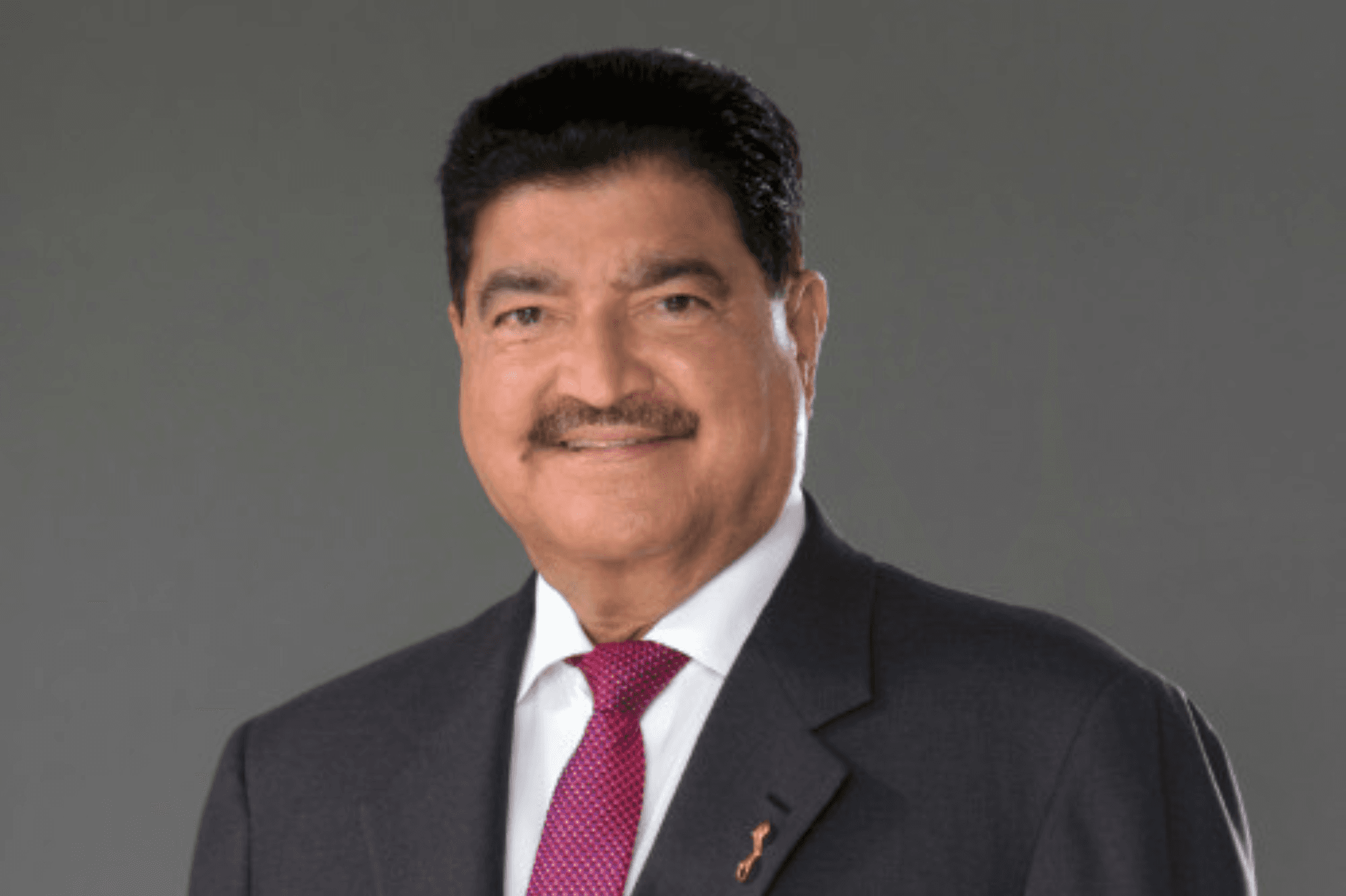
In the tapestry of expatriate success stories, few arcs are as dramatic as that of Dr. Bavaguthu Raghuram Shetty, better known as (Dr. BR Shetty Biography) Born in 1942 in the coastal town of Udupi, Karnataka, this Indian pharmacist arrived in Abu Dhabi with just $8 in his pocket in 1973, igniting a healthcare revolution that peaked at a $4 billion fortune. As founder of NMC Health—the UAE’s largest private healthcare provider—he built an empire spanning hospitals, pharmaceuticals, and remittances, employing tens of thousands across 19 countries.
Yet, by 2020, allegations of accounting fraud unraveled it all, leading to bankruptcy, asset seizures, and a forced sale of his conglomerate for a symbolic Rs 74 in 2025. At 83, Shetty’s tale—from slum-honed grit to courtroom battles—serves as a cautionary epic of ambition unchecked. Once ranked among India’s richest NRIs, his net worth now hovers near zero amid $4 billion in debts, but his family’s resilience hints at redemption. This 1100-word profile traces his biography, tumultuous history, seized properties, shattered investments, devoted family, hard-earned awards, evaporated wealth, and fragile future horizons.
Early Life and the Building of an Empire
B.R. Shetty’s origins were modest, rooted in Udupi’s verdant Konkan landscape, where his father ran a small pharmacy. Educated at Manipal College of Pharmaceutical Sciences, Shetty honed his craft as a medical representative in Mumbai before the Gulf’s oil boom lured him abroad. Landing in Abu Dhabi on August 1, 1973—his 31st birthday—he joined a pharmaceutical firm, peddling drugs door-to-door in a city of expatriate dreams. With no capital but boundless hustle, he saved enough to open the New Medical Centre (NMC) in 1975: a 100-square-foot clinic offering affordable care to blue-collar workers. By 1980, it had blossomed into a 50-bed hospital, capitalizing on the UAE’s healthcare void.
The 1980s marked explosive growth. Shetty acquired the UAE Exchange Centre in 1983, transforming remittances into a cash cow for South Asian laborers. Diversification followed: Neopharma in 2008 for generics, and BRS Ventures as a holding arm. NMC Health’s 2012 London IPO valued it at $1 billion, catapulting Shetty onto Forbes’ list with a $1.3 billion net worth. At its zenith in 2019, NMC operated 45 facilities, generating $1.5 billion annually, while Finablr’s IPO added remittance heft. Philanthropy intertwined: donations to Kerala’s flood victims and Udupi’s education initiatives burnished his image as a “people’s billionaire.”
The fall was swift. In January 2020, Muddy Waters Research accused NMC of inflating revenues and hiding $300 million in undisclosed deals, triggering a share plunge and delisting. Creditors seized assets; Shetty resigned amid probes. By 2021, he faced fraud charges in the UK and UAE, though he denied wrongdoing, blaming market sabotage. The 2025 asset auction—NMC sold to Aster DM for Rs 74—symbolized rock bottom, leaving Shetty in legal limbo as banks like State Bank of India pursued $700 million in claims.
Properties: From Opulent Peaks to Seized Palaces
Shetty’s real estate once screamed success, a blend of UAE extravagance and Indian nostalgia. His crown jewel: a resplendent Abu Dhabi mansion in the elite Al Bateen district, a 20,000-square-foot palace with marble halls, private pools, and helipad—home to family gatherings and dignitary soirees. Valued at $50 million pre-scandal, its exact address—Al Bateen, Abu Dhabi, UAE—remains a guarded enclave, now under creditor liens.
In Dubai, Shetty owned two full floors (99th and 100th) in the iconic Burj Khalifa, a $30 million aerie dubbed “BR Shetty, 100, Burj Khalifa,” boasting panoramic views and bespoke interiors for global entertaining. Additional holdings included villas on Palm Jumeirah and offices at Dubai World Trade Centre, plus a London penthouse for deal-making. Back in India, the BR Meadows estate in Udupi—a 1.68-acre plantation-style haven on Ambalapady-Kidiyoor Road—evoked roots, featuring eco-villas and community spaces. A private jet and yacht fleet underscored his jet-set life.
Post-2020, most were liquidated: Burj floors auctioned for $20 million, the Abu Dhabi home mortgaged to banks. Shetty now resides modestly in a Dubai apartment, a far cry from his gilded era, with remaining assets tied in trusts for family protection.
Investments: A Diversified Dream Turned Debacle
Shetty’s portfolio was a mosaic of sectors, peaking at $5 billion under BRS Ventures. Healthcare dominated: NMC’s 200+ facilities across GCC and India, plus BR Life’s 25 hospitals in Karnataka. Pharmaceuticals via Neopharma, exporting to 50 countries, and fintech through Finablr (UAE Exchange’s parent), processing $30 billion in remittances yearly. Real estate ventures included hospitality stakes and Udupi developments; entertainment bets like a $150 million Mahabharata film.
Aggressive expansion fueled growth but fragility. The 2019 $5 billion India healthcare pledge—hospitals in tier-2 cities—stalled amid the crisis. Fraud claims revealed inflated real estate values, propping up $1.1 billion in sham deals. Today, remnants like Neopharma limp on under receivership, with family-led BRS Ventures salvaging scraps.
Family Life: Anchors in the Storm (Dr. BR Shetty Biography)
Shetty’s personal realm is a bastion of unity. He married Dr. Chandrakumari Shetty in the 1970s; a fellow Manipal alum and pediatrician, she served as NMC’s Group Medical Director, blending medicine with management. Their partnership weathered crises, with Chandra advocating women’s health initiatives. They raised four children in Dubai’s expatriate bubble, instilling Tulu-speaking traditions amid Onam feasts.
Son Binay Raghuram Shetty, 42, born in an NMC ward, is Vice Chairman of BRS Ventures, steering fintech remnants and vowing legacy revival. Daughters Neema (dentist in Australia), Reema (business development lead), and Seema (HR head at NMC) embody poise; all pursued higher education abroad, marrying into professional families with grandchildren dotting global holidays. The clan huddles in Dubai, Chandra’s foundations funding Udupi scholarships as quiet defiance.
Awards: Laurels from a Bygone Zenith
Shetty’s ascent drew accolades. In 2019, he became the first recipient of the Order of Abu Dhabi—the emirate’s highest civilian honor—from Sheikh Mohamed bin Zayed, for societal contributions. India’s Pravasi Bharatiya Samman (2010) hailed his NRI impact; the Sir M. Visvesvaraya Award (2018) celebrated engineering feats. Healthcare nods included Healthcare CEO of the Year (2012 Indian CEO Awards) and Lifetime Achievement from the International Medical Integration Council. Middlesex University Dubai’s Honorary Doctorate (2019) capped his honors, though scandals tarnished some retrospectively.
Financial Status: From Billions to Bankruptcy
At peak in 2019, Shetty’s net worth hit $3.5 billion, per Forbes, from NMC dividends ($200 million annually) and stakes yielding $500 million in income. Lifestyle perks—jets, yachts—cost millions, offset by tax havens exposed in Pandora Papers. By October 2025, it’s nil: debts exceed $4 billion, with Shetty off billionaire lists since 2020. Family trusts shield minimal assets; income now from consulting scraps.
Future Projects: Legal Fights and Faint Hopes
At 83, Shetty’s horizon is clouded. A June 2025 Dubai court rebuff against State Bank of India dashed debt defenses, prolonging battles. Binay eyes BRS revival, eyeing Indian pharma startups. Pre-scandal visions—a Udupi multiplex, $5 billion healthcare chain—linger unrealized. Shetty muses on memoirs, mentoring youth: “Failure teaches more than fortune.”
A Legacy of Peaks and Precipices
B.R. Shetty’s saga—from Udupi’s pharmacies to Abu Dhabi’s boardrooms, then infamy—mirrors the Gulf’s boom-bust ethos. His void-filling clinics saved lives; scandals eroded trust. Yet, in family fortitude and quiet giving, flickers endure—a phoenix, perhaps, from ashes. Thank you to read this article on Fastnews123.com
Micky Jagtiani’s name evokes a rags-to-riches saga that rivals the greatest entrepreneurial epics. (Micky Jagtiani Biography) Born Mukesh Wadhumal Jagtiani in 1952, this Indian-origin visionary transformed a modest toy shop in Bahrain into the Landmark Group, a retail and hospitality juggernaut spanning 24 countries with over 2,200 outlets. Under his stewardship, the Dubai-headquartered empire generated billions in revenue, employing 45,000 people and redefining consumer experiences across fashion, home furnishings, and budget hospitality.
Jagtiani’s journey—from driving taxis in foggy London streets to commanding a $5.2 billion fortune—embodies unyielding resilience and foresight. Though he passed away on May 26, 2023, at age 70 after a prolonged illness, his legacy endures through his wife Renuka and children, who now helm the group. With the family’s net worth pegged at $5.6 billion as of October 2024, Jagtiani remains a beacon for expatriate success. This 1100-word profile chronicles his biography, storied history, opulent properties, strategic investments, devoted family, prestigious awards, financial prowess, and the ambitious projects propelling Landmark forward.
Early Life and Meteoric Rise
Micky Jagtiani entered the world on August 15, 1952, in Kuwait City, to a Sindhi Hindu family of modest means—his father a trader, his roots tracing back to pre-Partition India. The oil-rich emirate offered stability, but young Micky’s education was peripatetic: schooling in Chennai and Mumbai’s bustling academies, then Beirut’s international environs. Dreams of stability clashed with reality; by his late teens, he ventured to London, enrolling in an accounting program at a nondescript school. But academia proved stifling. Dropping out, he hustled as a taxi driver, navigating the city’s labyrinthine roads while honing a street-smart acumen for customer needs—lessons that would later fuel his retail revolution.
In 1973, at 21, tragedy struck: his elder brother, a shopkeeper in Bahrain, died suddenly, leaving a small toy and baby products outlet in disarray. Micky seized the reins, rebranding it Babyshop with a mere $2,000 in savings scraped from odd jobs. Bahrain’s expatriate boom—fueled by Gulf oil wealth—proved fertile ground. He sourced affordable imports from India and Europe, stocking cribs, strollers, and playthings that resonated with growing families. Within a decade, Babyshop burgeoned into six outlets across the island kingdom, employing dozens and turning a profit through relentless cost-cutting and customer-centric innovation.
The 1990 Gulf War upended everything. As bombs fell and economies shuddered, Micky relocated to Dubai in the early 1990s, a burgeoning hub of ambition. There, he birthed the Landmark Group in 1995, initially as a holding entity for his ventures. Diversification became his mantra: Home Centre launched in 1995 for affordable home decor, Lifestyle in 1998 for mid-market fashion, and Splash for trendy apparel. By 1999, he ventured into entertainment with Fun City, the UAE’s first indoor amusement park, and hospitality via Citymax budget hotels.
The 2008 financial crisis tested his mettle; undeterred, he snapped up a 6% stake in beleaguered UK retailer Debenhams, catapulting onto Forbes’ billionaire list as India’s 16th richest with $2 billion. Philanthropy wove through his ascent—donations to education in India and UAE disaster relief—earning him the moniker “the people’s billionaire.”
Properties: Symbols of Subtle Splendor
Jagtiani’s lifestyle mirrored his philosophy: “I spend very little and earn a lot.” Eschewing flashy ostentation, he owned few personal assets, often titling properties under family names to sidestep what he called “wealth traps.” His primary residence was a sprawling villa in Dubai’s elite Emirates Hills enclave—a gated oasis of manicured lawns, private pools, and state-of-the-art security, overlooking the Montgomerie Golf Course.
Valued at over $20 million, this 15,000-square-foot haven, deeded to wife Renuka, served as a family sanctuary and business nerve center, hosting quiet Onam celebrations and high-stakes board meetings. Its exact address remains closely guarded, listed vaguely as Emirates Hills, Dubai, UAE, in public records.
Beyond Dubai, Jagtiani maintained a pied-à-terre in Bahrain’s Manama, a modest yet elegant apartment overlooking the Gulf, nostalgic nods to Babyshop’s origins. In London, a discreet Mayfair flat—acquired during his Debenhams foray—facilitated European sourcing trips. The family’s portfolio extended through Landmark’s commercial holdings: ownership stakes in 20+ malls across the Middle East, including Dubai’s sprawling Centrepoint complexes blending retail and leisure.
A private yacht docked in Dubai Marina and a fleet of low-key Mercedes sedans rounded out his assets, reflecting a man who prized utility over extravagance. Posthumously, Renuka has preserved these as family trusts, ensuring generational continuity.
Investments: Crafting a Retail Colossus
Landmark Group’s investments form the cornerstone of Jagtiani’s empire, a diversified behemoth blending retail, real estate, and hospitality. At its heart: 2,200 stores under banners like Centrepoint (one-stop family hubs), Max (value fashion in India), and Shoe Mart. Annual revenues topped $7 billion by 2023, with 40% from India alone since the 1999 entry. Real estate ventures include mall developments in Qatar and Saudi Arabia, yielding steady rental streams. Hospitality shines through 23 Citymax hotels—affordable yet amenity-rich, from Dubai’s silicon oases to Nairobi’s urban edges—catering to budget travelers amid tourism surges.
Jagtiani’s foresight extended to a 2014 family office managing $5 billion in assets, funding stakes in startups like sustainable fashion tech and e-commerce logistics. He shunned speculation, focusing on supply-chain verticals: Landmark’s in-house farms in India source textiles, cutting costs by 20%. The 2008 Debenhams investment, though later divested amid the chain’s 2021 collapse, honed his M&A savvy. Today, under family oversight, investments pivot to sustainability—solar-powered stores and eco-fabrics—positioning Landmark for green consumer shifts.
Family Life: A Pillar of Unity
Jagtiani’s personal world orbited family, a tight-knit circle forged in Bahrain’s early hardships. He wed Renuka Soraya in the mid-1970s; she, a Mumbai native with a commerce degree, abandoned a banking career to co-build Landmark, rising to CEO by 2023. Their partnership was symbiotic—Renuka’s operational genius complementing Micky’s vision—raising three children amid boardroom battles and beachside barbecues. Daughters Aarti and Nisha, both in their 40s, helm key divisions: Aarti drives hospitality expansions, married with children Samar and Nikhil; Nisha oversees fashion retail, wed to Kabir with son Yohan. Son Rahul, the youngest, spearheads digital transformation, blending tech with tradition.
Grandchildren—four in total—infuse joy, with family pilgrimages to Sindhi temples in India preserving heritage. Dubai’s Emirates Hills villa buzzes with their laughter, a counterpoint to global jet-setting. Post-Micky’s passing, Renuka’s leadership has unified them further, with all three as group directors ensuring seamless succession.
Awards and Accolades: Tributes to Tenacity
Jagtiani’s trailblazing garnered global kudos. In 2004, Ernst & Young crowned him UAE Entrepreneur of the Year for Babyshop’s bootstrap brilliance. The 2005 Dubai Quality Award saluted his operational excellence. Retail Middle East’s 2007 Personality of the Year honored his sector dominance. Forbes’ 2008 nod as India’s 16th richest amplified his profile.
Later honors included Arabian Business’s 2012 Power List for inspirational impact and NDTV’s 2016 Global Business Leader at the Gulf Indian Excellence Awards. In 2017, he and Renuka entered the Retail Hall of Fame, etched alongside icons like Sam Walton. These weren’t shelf fillers; they spurred philanthropy, like $10 million for UAE flood victims in 2024 via family foundations.
Financial Empire: Wealth with Wisdom (Micky Jagtiani Biography)
At his 2023 demise, Jagtiani’s net worth hit $5.2 billion, per Forbes, vaulting him to UAE’s top expatriate rich list. Personal income, largely dividends from Landmark’s $7 billion revenues, averaged $300-400 million annually, funneled into reinvestments over luxuries. Frugality defined him—eschewing jets for economy flights—yet strategic bets like Debenhams yielded windfalls. By October 2025, the family’s collective fortune stands at $5.6 billion, buoyed by post-IPO gains in affiliates, underscoring enduring value creation.
Future Projects: Legacy in Motion
Though Micky’s vision endures, Renuka and kin propel Landmark’s horizon. A November 2024 bombshell: $1 billion infusion over three years for 400 new stores across GCC, India, and Southeast Asia by 2028—a 20% footprint swell. Highlights include Viva grocery’s 2025 Saudi debut and Babyshop’s rollout in four untapped markets. E-commerce gets a $200 million tech overhaul, partnering Alibaba for seamless omnichannel.
Real estate beckons: August 2025’s ₹400 crore ($48 million) plunge into Gurugram’s Landmark SKYVUE—240 luxury apartments along Dwarka Expressway—targets India’s premium housing boom. Hospitality expands with five Citymax openings in Africa, tapping tourism rebounds. Sustainability threads all: carbon-neutral malls by 2030. “Micky built the foundation; we build the future,” Renuka affirms, eyeing 50,000 new jobs.
An Enduring Tapestry
Micky Jagtiani’s odyssey—from London’s cabs to Dubai’s pinnacles—weaves a tapestry of triumph, teaching that empires rise on grit, not gold. His void aches, yet through Renuka’s resolve and heirs’ hustle, Landmark marches on, a living homage to a man who turned dreams into dynasties. Thank you to read this article on Fastnews123.com
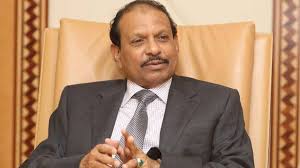
In the glittering world of international retail, few names shine as brightly as M.A. Yusuff Ali. (Yusuff Ali Biography) Born in the serene coastal village of Nattika in Kerala’s Thrissur district, Yusuff Ali’s journey from a humble grocery store clerk to the architect of a multi-billion-dollar conglomerate is nothing short of legendary. As the Chairman and Managing Director of LuLu Group International, he oversees a retail behemoth with over 240 hypermarkets and malls spanning 25 countries, generating annual revenues exceeding $8 billion.
His story is one of grit, vision, and philanthropy, embodying the classic immigrant success tale that has made him a billionaire icon. With a net worth estimated at $5.4 billion as of September 2025, Yusuff Ali ranks among the wealthiest Malayalis and Indians abroad, second only to jeweler Joy Alukkas in his home state. This comprehensive profile delves into his biography, business history, vast properties and investments, family life, accolades, financial empire, and ambitious future endeavors.
Early Life and Rise to Prominence
Musaliam Veettil Abdul Kader Yusuff Ali, fondly known as M.A. Yusuff Ali, entered the world in 1949 in Nattika, a modest fishing village where opportunities were as scarce as the Arabian sands he would later conquer. The son of a local businessman, young Yusuff Ali grew up in a family of modest means, learning the value of hard work from an early age. Education was basic, but his entrepreneurial spirit was innate. In 1973, at the age of 24, he left Kerala for Abu Dhabi, UAE, seeking better prospects. Landing a job as a store assistant in a small textile shop owned by a relative, he earned a meager salary but absorbed every lesson in customer service and inventory management.
By 1977, Yusuff Ali’s ambition led him to strike out on his own. Partnering with a friend, he opened LuLu—a tiny 800-square-foot grocery store in Abu Dhabi’s Bur Dubai area, named after the founder’s nickname for his wife. The venture was risky; the Gulf’s retail scene was nascent, dominated by local traders. Yet, Yusuff Ali’s knack for sourcing fresh produce and offering competitive prices turned LuLu into a neighborhood staple. Within a decade, he expanded into textiles and electronics, rebranding as LuLu Hypermarket in 1991. The turning point came in the early 2000s when oil wealth fueled consumer booms across the Gulf. Yusuff Ali capitalized by building mega-malls integrated with hypermarkets, creating one-stop shopping destinations. Today, LuLu Group employs over 60,000 people, with a footprint from the Middle East to Southeast Asia, Europe, and India.
His history is marked by strategic pivots. During the 1990s Gulf War, when many expatriate businesses faltered, Yusuff Ali diversified into food processing to ensure supply chain resilience. The 2008 global financial crisis tested him further, but he emerged stronger, acquiring distressed assets and entering new markets like Oman and Qatar. Philanthropy has been a constant thread; in 2020, he donated $6.8 million to COVID-19 relief, including a 1,400-bed treatment center in Kerala.
Properties and Lavish Lifestyle
Yusuff Ali’s success is mirrored in his real estate portfolio, blending opulence with functionality. His crown jewel is a sprawling 60,000-square-foot waterfront mansion in Kochi, Kerala—reportedly the largest private residence in the state. Perched on the shores of Vembanad Lake, this architectural marvel features a private helipad, infinity pools, and lush gardens spanning acres. Constructed in the mid-2010s, it serves as a family retreat and symbol of his roots, often hosting dignitaries and charity events. The property’s coordinates place it in the upscale Kakkanad area, though Yusuff Ali guards his privacy fiercely.
In Abu Dhabi, his primary residence is a palatial villa in the exclusive Al Bateen district, complete with high-security features and proximity to the LuLu headquarters. Valued at tens of millions, it reflects his UAE loyalty. Back in Nattika, the EMKE Mansion—a nod to his family’s business—stands as a heritage home, now a community hub. Yusuff Ali also owns luxury estates in Dubai and London, acquired for business convenience. His fleet includes private jets and yachts, underscoring a lifestyle of quiet extravagance. Despite the grandeur, he remains grounded, often spotted in simple kurtas at store openings.
Investments: Building a Diversified Empire
LuLu Group’s investments form the bedrock of Yusuff Ali’s wealth, evolving from retail into a conglomerate spanning hospitality, real estate, agriculture, and technology. The core is LuLu Retail Holdings, which went public in November 2024 with a landmark $1.72 billion IPO—the UAE’s largest that year—boosting his stake’s value. With 240 outlets, it dominates Gulf retail, but diversification is key. In real estate, LuLu has developed 20+ malls, including the flagship LuLu International Shopping Mall in Abu Dhabi, a 850,000-square-foot complex with luxury brands and entertainment zones.
Agriculture investments are innovative: LuLu owns vast farms in the UAE and India, producing organic fruits and vegetables for its stores, reducing import dependency. Hospitality ventures include 10 hotels under the LuLu brand, from budget stays in Oman to five-star resorts in Kerala. In India, where he returned post-IPO, investments focus on job creation—LuLu’s Kochi headquarters employs 5,000 locals. Tech is the new frontier; the group has stakes in IT parks and e-commerce platforms, partnering with Amazon for online grocery.
Globally, Yusuff Ali’s portfolio includes minority stakes in startups via family offices, emphasizing sustainable ventures like solar energy projects in Saudi Arabia. His philosophy: “Invest where people live and dream.” These moves have yielded steady returns, with group revenues hitting $8.4 billion in 2024.
Family Life: A Close-Knit Circle (Yusuff Ali Biography)
Behind the tycoon is a devoted family man. Yusuff Ali married Shabira Yusuff Ali in the 1970s; their bond, forged in Abu Dhabi’s early struggles, remains unbreakable. Shabira, a philanthropist in her own right, manages family foundations focused on women’s education in Kerala. They have three daughters, all accomplished professionals blending business acumen with social impact.
Eldest Shabeena Yusuff Ali is married to billionaire healthcare mogul Shamsheer Vayalil, CEO of VPS Healthcare. The couple divides time between Dubai and Abu Dhabi, raising two children while spearheading medical charities. Middle daughter Shafeena is wed to Adeeb Ahamed, scion of the LuLu co-founder family and head of Lulu Financial Holdings. They have one child and collaborate on fintech expansions. Youngest Shifa, the most private, pursues creative arts in London, occasionally aiding family ventures. No sons are mentioned, but Yusuff Ali’s daughters are groomed as successors, with Shabeena on LuLu’s board. Family gatherings at the Kochi mansion emphasize Keralite traditions—Onam feasts and temple visits—keeping roots alive amid global jet-setting.
Awards and Recognitions: Honors for Excellence
Yusuff Ali’s contributions have earned him a mantle of accolades. In 2008, India bestowed the Padma Shri, its fourth-highest civilian honor, for trade and industry. The Pravasi Bharatiya Samman followed in 2010 for overseas Indians’ service. UAE recognition peaked in 2021 with the Abu Dhabi Award from Crown Prince Sheikh Mohamed bin Zayed Al Nahyan, the emirate’s top civilian accolade. That year, Indonesia’s Prima Duta Award celebrated his economic ties.
In 2021, The Arabian Stories’ TAS ICON award lauded his iconic status. March 2025 brought the Sheikh Mohammed bin Rashid Al Maktoum Medal for Philanthropy from Dubai, recognizing $100 million+ in donations for education and healthcare. Agricultural honors include the Sheikh Mansour Bin Zayed Excellence Award for LuLu’s sustainable farming. These aren’t mere trophies; they fuel his drive, as he quips, “Awards are reminders to give back more.”
Financial Status: Wealth and Income Streams
As of October 2025, Yusuff Ali’s net worth stands at $5.4 billion, per Forbes’ real-time rankings, down slightly from $7.4 billion in 2024 due to market fluctuations but still securing his spot as Kerala’s second-richest. This fortune stems primarily from his 70% stake in LuLu Retail, valued post-IPO at over $4 billion. Annual group revenues of $8.4 billion translate to personal dividends estimated at $200-300 million, supplemented by real estate rentals ($50 million yearly) and investment yields.
Income diversification includes board fees from affiliates and philanthropy-linked tax benefits. Despite wealth, he’s frugal—eschewing ostentation for reinvestment. Critics note wealth concentration in family hands, but Yusuff Ali counters with 10,000+ jobs created annually.
Future Projects: Eyes on Expansion
At 76, Yusuff Ali shows no signs of slowing. LuLu’s 2025-2028 roadmap includes 15 new UAE retail projects and 37 Saudi stores, generating 20,000 jobs. In India, tallest IT towers in Kochi and Infopark aim for 50,000 tech roles by 2028, partnering with Infosys. Malls in Ahmedabad and Chennai are slated for 2026 openings, each 1 million square feet.
Ethiopia beckons with a $500 million hypermarket venture, tapping Africa’s growth. Sustainability drives solar farms in Oman and EV charging networks across Gulf outlets. Philanthropy evolves too: a $200 million university in Thrissur for underprivileged youth. “The future is in empowering the next generation,” he affirms.
Legacy of a Visionary
M.A. Yusuff Ali’s odyssey—from Kerala’s shores to global boardrooms—transcends business. It’s a testament to resilience, where a single store birthed an empire uplifting millions. As he mentors his daughters and grooms successors, his legacy endures: not in vaults, but in communities transformed. Thank you to read this article on Fastnews123.com
Yusuff Ali Biography Yusuff Ali Biography Yusuff Ali Biography Yusuff Ali Biography Yusuff Ali Biography Yusuff Ali Biography Yusuff Ali Biography
Shahneel Gill Biography, एक emerging social media influencer hain, जो apne stunning looks, relatable content, aur family support के लिए jaane jaati hain। Born on December 16, 1997, in Fazilka, Punjab, unhone 27 saal की umar mein apna naam banaya hai, with 323K+ Instagram followers aur lifestyle reels जो daily life aur fashion को celebrate karte hain।
Unki biography एक simple Punjabi family से digital stardom तक की कहानी है, jahaan brother Shubman ke IPL fame ne unhe indirect spotlight diya, but unhone own talent se shine kiya। Shahneel की history Fazilka के modest roots से shuru hoti hai, jahaan unhone local culture aur family values seekhe। Schooling Manav Mangal Smart School, Chandigarh से hui, followed by graduation CMR University, Bangalore से।
No movies or songs yet, but unki reels “sister goals” ban gayi hain। Single hain, no boyfriend rumors। Family mein father Lakhwinder Singh (farmer) aur mother Keart Gill hain। Home Chandigarh mein hai। No awards yet, but social media pe rising। Net worth Rs 1-2 crore ke around। Upcoming, more collaborations planned। Thank you to read this article on Fastnews123.com—Shahneel Gill की journey inspiring hai!
History and Early Life
शाहनील गिल की history Fazilka के rural charm से bhari hai, jahaan unhone 1997 में एक Sikh Jat family mein janam liya। Father Lakhwinder Singh, ek dedicated farmer the, जो family को support karte the, mother Keart Gill homemaker hai, emotional anchor। Brother Shubman Gill (born 1999, Indian cricketer, Gujarat Titans captain) unka closest companion hai, with whom childhood Fazilka mein bitaya। Early life mein, Shahneel ne local festivals aur family gatherings se confidence gain kiya, but education ne unhe modern world se connect kiya।
History mein, unki journey Chandigarh shift ke saath shuru hui, jahaan unhone Manav Mangal Smart School se schooling complete ki, excelling in academics aur extracurriculars। College days CMR University, Bangalore mein huye, jahaan unhone B.Com या similar course kiya, with focus on business aur digital skills। Yeh phase unke influencer career का base bana। 2020 lockdown mein, Instagram reels start kiye, daily life, fashion, aur family moments share karte hue, quickly 323K followers paaye। Brother Shubman ke IPL 2023 Orange Cap win ne unhe indirect fame diya, but Shahneel ne own content से prove kiya, jaise “sister of a cricketer” reels जो viral hue।
History mein, unki growth fast hai—2024 mein brand collaborations jaise local fashion lines se shuru, 2025 mein more endorsements planned। Controversies limited—trolls on “sister fame,” but Shahneel ne ignore kiya, saying “I’m building my own path.” Unki history self-made influencer ki hai, Punjab roots से digital world तक।
Boyfriend
शाहनील गिल की romantic life private rahi hai। No boyfriend mentioned in public records; ve 2025 mein single hain, career-focused। Past rumors limited, no confirmed relationships। Interviews mein, unhone kaha “Love time pe aayega, abhi family aur content pe dhyan.” No child; family planning future mein। Unki single status unhe relatable banati hai young fans ke liye।
Family
शाहनील गिल की family close-knit hai, Punjab values se bhari। Father Lakhwinder Singh (farmer, supportive), mother Keart Gill (homemaker, emotional pillar)। Brother Shubman Gill (born 1999, cricketer, net worth Rs 50 crore+), unka biggest cheerleader hai। No sisters। Extended family Fazilka mein based hai, with strong Sikh roots। Family unki influencer journey mein backbone rahi, with mother Keart ne unhe moral support di। No scandals; family low-profile।
Movies and Videos
शाहनील गिल की movies none hain, as unki strength social media hai। Videos mein, Instagram reels jaise “Day in Life of Gill Sisters” (though no sister, family vlogs) aur fashion hauls 1M+ views paate hain। Brother Shubman ke IPL cheering videos viral hue। Upcoming, more content planned, but no films। Unकी videos relatable lifestyle ke liye famous।
Songs (Shahneel Gill Biography)
शाहनील गिल ne no original songs sung, but brother Shubman ke cricket anthems mein background cheer। No major music career; focus digital par। Future mein songs possible।
Education and Awards
शाहनील गिल की education Manav Mangal Smart School, Chandigarh से schooling, CMR University, Bangalore से graduation (B.Com or similar)। No higher degrees, but self-taught digital marketing। Awards: No major, but social media recognitions jaise Influencer Awards nominee 2024। Yeh unki online presence को celebrate karte hain।
Home Address
शाहनील गिल का home Chandigarh mein hai, ek luxurious apartment in Sector 8 or similar, estimated Rs 2-3 crore ki, with modern amenities। Roots Fazilka mein family home। Exact address private।
In summary
Shahneel Gill ki zindagi influencer journey hai। Fazilka से Instagram stardom तक, unकी history family support से bhari hai। Single no child। Videos reels, education CMR। No awards yet। Chandigarh home luxurious। Thank you to read this article on Fastnews123.com—Shahneel की journey inspiring hai!
Malti Chahar Biography, ek dynamic Indian actress, model, director, aur writer hain, jo apne bold looks, versatile roles, aur family cricket legacy ke liye jaane jaati hain। Born on November 15, 1990, in Agra, Uttar Pradesh, unhone 34 saal ki umar mein entertainment industry mein apna muqam banaya hai, especially short films और music videos से, like “Manicure” (2017) aur “Ishq Pashmina” (2022)।
Unकी biography एक inspiring kahani hai Air Force family से modeling aur acting stardom तक, jahaan unhone national-level sports से Bollywood की ओर रुख लिया। Malti की history Agra ke Taj Mahal city से shuru hoti hai, jahaan unhone Kendriya Vidyalaya se schooling ki, followed by software engineering from IET Lucknow। Brother Deepak Chahar (Indian cricketer) ke IPL fame ne unhe limelight diya, but unhone own talent se prove kiya। 2025 में, Bigg Boss 19 wildcard entry ने unhe national sensation banaya, where unki confident personality ने buzz create kiya। Malti की net worth Rs 2-3 crore ke around hai, with home in Mumbai’s posh area।
Single hai, no boyfriend or husband; no child। Family mein father Lokendra Singh Chahar (retired Air Force) aur mother Pushpa Chahar hain। Movies jaise “Genius” (2018) aur “The Lovers” (2020) unki filmography ka hissa hain। No songs sung। Education engineering se। Awards modeling pageants se। Thank you to read this article on Fastnews123.com—Malti Chahar की zindagi resilience ki misaal hai!
History and Early Life
मालती चहा र की history Agra ke historic city से shuru hoti hai, jahaan unhone 1990 में एक disciplined Air Force family mein janam liya। Father Lokendra Singh Chahar, retired Indian Air Force officer the, जो unhe patriotism aur hard work sikhaate rahe, mother Pushpa Chahar homemaker hai, family का emotional anchor। Brother Deepak Chahar (born 1992, IPL star for CSK) aur cousin Rahul Chahar (Mumbai Indians) ne family को sports legacy diya। Early life mein, Malti ne Kendriya Vidyalaya, Agra se schooling ki, where unhone national-level shot-put aur high-jump athlete bani, showcasing physical strength।
History mein, college days IET Lucknow mein software engineering ki, where unhone cultural programs में participate ki, modeling start kiya। 2009 mein Miss India Earth jeeta, 2014 mein Femina Miss India 2nd runner-up rahi, jo unki turning point tha। Yeh pageants ne unhe ads jaise Dabur Red Toothpaste aur Ossum Body Mist mein launch kiya। Acting debut 2017 short film “Manicure” se hua, Meher Bhatia role mein, jahaan unki emotional depth ne praise paayi। Breakthrough “Genius” (2018) se aaya, followed by “Hush” (2021) aur “Ishq Pashmina” (2022)। 2018 IPL season mein CSK cheering video viral hua, Deepak ke saath dance with Dwayne Bravo, unhe “cricket sister” ka tag diya।
History mein, unki journey athlete से actress तक ki hai, with 2025 Bigg Boss 19 wildcard entry ने national fame diya, where brother Deepak special appearance mein aaye। Controversies limited—trolls on looks, but Malti ne ignore kiya, saying “Beauty is confidence.” Unki history self-made hai, family support se।
Boyfriend and Husband
मालती चहा र की romantic life low-key rahi hai। No boyfriend or husband mentioned; ve 2025 mein single hain, career-focused। Past rumors limited, no confirmed relationships। Interviews mein, unhone kaha “Love time pe aayega, abhi films pe dhyan।” No child; family planning future mein। Unki single status unhe relatable banati hai fans ke liye।
Family and Child
मालती चहा र की family sports aur discipline se inspired hai। Parents: Father Lokendra Singh Chahar (retired Air Force officer), mother Pushpa Chahar (homemaker)। Brother Deepak Chahar (born 1992, cricketer, CSK) aur cousin Rahul Chahar (born 1999, cricketer, MI) unke closest hain। No siblings besides Deepak। Extended family Agra mein based hai, with UP roots। No child; ve young aur career-oriented। Family unki modeling aur acting mein backbone rahi, with mother Pushpa ne unhe moral support di। No scandals; family low-profile।
Movies and Videos
मालती चहा र की movies limited but promising hain। Debut “Manicure” (2017) short film se, Meher Bhatia role। “Genius” (2018) supporting। “The Lovers” (2020) romantic। “Hush” (2021) thriller। “Ishq Pashmina” (2022) music video lead। “Maa O Meri Maa” (2025) directorial debut। Videos mein, IPL cheering clip 10M+ views, “Ishq Pashmina” 5M+। Upcoming Bigg Boss 19 videos। Unकी movies emotional roles ke liye famous।
Songs (Malti Chahar Biography)
मालती चहा र ne no original songs sung, but “Ishq Pashmina” music video mein playback। No major music career; focus acting par। Future mein songs possible।
Education and Awards
मालती चहा र की education Kendriya Vidyalaya, Agra se schooling, IET Lucknow se software engineering B.Tech। National athlete rahi, shot-put high-jump। Awards: Miss India Earth 2009, Femina Miss India 2nd runner-up 2014। No film awards yet, but BB19 potential। Yeh achievements unki talent को celebrate karte hain।
Home Address
मालती चहा र का home Mumbai ke Bandra mein hai, ek luxurious apartment in posh society, estimated Rs 2-3 crore ki, with modern amenities। Roots Agra mein family home। Exact address private।
In summary
Malti Chahar ki zindagi multi-talented journey hai। Agra से BB19 तक, unki history sports से stardom तक की hai। Family Air Force roots, single no child। Movies jaise Genius, education engineering। Awards pageants। Mumbai home luxurious। Thank you to read this article on Fastnews123.com—Malti की journey inspiring hai!
Malti Chahar Biography Malti Chahar Biography Malti Chahar Biography Malti Chahar Biography