Blog Page 21

Miles Anderson Biography, Politician & Parliament

0
Miles Anderson Biography, Politician & Parliament
Miles Anderson Parliament

Miles Anderson, born on October 23, 1947, in Southern Rhodesia (now Zimbabwe) A distinguished British actor whose career, spanning over five decades, has left a notable mark on New Zealand’s cultural landscape through his performances and connections to the region. Known for his versatile roles in theater, television, and film, Anderson’s journey from colonial Africa to international stages and screens, including appearances in New Zealand-related projects, highlights his talent and adaptability. This biography explores his life and career with a focus on his ties to New Zealand. Miles Anderson Biography, Politician & Parliament


Anderson grew up in a military family, the son of Major-General John “Jock” Anderson, CBE, who commanded the Southern Rhodesian Army, and Daphne Anderson, who later wrote The Toerags (1989), a memoir of her Rhodesian childhood. His father’s opposition to colonial policies denying native African rule led to his dismissal in 1964, prompting the family’s departure from Rhodesia in 1966. Anderson’s early years were adventurous, with travels across Malaya, Singapore, and Zambia, including a memorable encounter with a honey bear while living with the Iban tribe in Brunei. These experiences honed his storytelling, a skill that resonated with New Zealand audiences who value rich, authentic narratives.

 

Miles Anderson Biography, Politician & Parliament

Miles Anderson Biography Educated at Prince Edward School in Rhodesia,

Anderson discovered his passion for acting during a Shakespeare class, prompting him to abandon formal studies and pursue a career in England. He trained at the Royal Academy of Dramatic Art (RADA), earning the Ronson Award for his role in The Cocktail Party and the Silver Medal. His training laid the groundwork for a career that would intersect with New Zealand’s performing arts scene.

Anderson’s association with the Royal Shakespeare Company (RSC) spanned a decade, where he performed in acclaimed productions like The Witch of Edmonton, The Twin Rivals, and Macbeth, where he played the lead. His 1981 London Critics’ Circle Drama Theatre Award for Best Supporting Actor and an Olivier Nomination for Life’s A Dream underscored his stage prowess. Notably, he became the first adult male to portray Peter Pan in Trevor Nunn’s 1983 production at The Barbican, a role that resonated with New Zealand’s theater community, known for its appreciation of innovative Shakespearean interpretations.


In New Zealand,

Anderson’s work gained attention through his roles in internationally distributed projects filmed in the country. He appeared in The Hobbit: The Desolation of Smaug (2013), a Peter Jackson-directed film shot in New Zealand, where he played a minor but memorable role as a Laketown guard. The film’s production in Wellington and its global success brought Anderson’s performance to Kiwi audiences, who celebrated the trilogy’s connection to their homeland. His involvement in such projects aligns with New Zealand’s growing reputation as a hub for major film productions.

On television, Anderson is recognized in New Zealand for roles in UK series that have aired on local networks, such as Soldier Soldier (1991–92), where he played Lieutenant Colonel Dan Fortune, and House of Cards, where he portrayed Roger O’Neill. These shows, popular in New Zealand, showcased his ability to embody complex characters. He also appeared in Midsomer Murders episodes (“Death In Disguise” and “Last Year’s Model”) and Waking the Dead, both of which have a dedicated following in the country. His narration of Sky1’s The Lion Man further endeared him to New Zealand viewers, given the nation’s affinity for wildlife documentaries.


In the US,

Anderson’s roles in films like La La Land (2016) as Alistair the photographer and The Tragedy of Macbeth (2021) as Lennox, alongside Denzel Washington, reached New Zealand audiences through global cinema releases. His performances at San Diego’s Old Globe Theatre, including winning the San Diego Critics’ Circle Award for The Madness of George III (2010) and The Merchant of Venice (2013), were noted by New Zealand theater enthusiasts, particularly those familiar with RSC-trained actors.

Now based in Los Angeles with his wife, Bella Merlin, Anderson maintains a connection to New Zealand through his work in films shot there and his son, actor Joe Anderson, who has also appeared in projects with New Zealand ties. With a career spanning Shakespearean stages, Hollywood films, and New Zealand’s cinematic landscape, Miles Anderson remains a celebrated figure whose performances resonate with Kiwi audiences, blending global artistry with local pride.

Ginny Andersen Biography, Politician & Parliament

0
Ginny Andersen Biography, Politician & Parliament

Virginia Ruby Andersen, born in 1975, is a New Zealand politician and Member of Parliament for the Labour Party, known for her work in justice, Māori language advocacy, and social policy. A long-standing Labour member since 2004, Andersen entered Parliament in 2017 via the party list and became the MP for Hutt South in 2020. Her career spans roles in the New Zealand Police, Treaty of Waitangi negotiations, and senior political advising, reflecting a commitment to addressing social harms and advancing equity. Ginny Andersen Biography, Politician & Parliament


Ginny Andersen Biography


Born to primary school teachers

Andersen’s childhood was nomadic, shaped by her parents’ work in low-decile schools across New Zealand, including Great Barrier Island, Hawke’s Bay, Wairarapa, and Christchurch. Settling in Christchurch, she attended Phillipstown School and Avonside Girls’ High School, where her principal was Marian Hobbs, later a Labour cabinet minister. Living in Linwood, Andersen witnessed the social impacts of gangs and drugs, fueling her later focus on justice issues. Her great-uncle, Bill Andersen, was a prominent activist and trade union leader. After earning an MA in Political Science from the University of Canterbury, she settled in Belmont, Lower Hutt, where she raises four children with her husband, Geoff Gwyn.


Andersen’s early career included roles as a private secretary and senior political adviser to Labour MPs Trevor Mallard, David Cunliffe, Mark Burton, and Margaret Wilson. She worked at the Office of Treaty Settlements, contributing to negotiations and policy. From 2006 to 2017, she served as a policy unit manager for the New Zealand Police, developing strategies to reduce harm from gangs, organized crime, and methamphetamine. She advised on Māori, Pacific, and ethnic services, focusing on reducing Māori reoffending. Under John Key’s National government, she was seconded to the Department of the Prime Minister and Cabinet to work on the Methamphetamine Action Plan and contributed to the Vehicle Confiscation and Seizure Bill, enabling the crushing of boy racers’ vehicles. This experience, she later noted, inspired her to run as a Labour candidate to advocate for progressive change.


Andersen’s political

Journey began as a campaign volunteer for Chris Hipkins in Remutaka in 2008, becoming his campaign manager in 2011. In 2014, she contested Ōhāriu, narrowly losing to United Future’s Peter Dunne by 710 votes, one of the closest margins nationwide. Ranked 37 on Labour’s list, she didn’t enter Parliament but served as Labour’s Vice-President from 2015 to 2017. In 2016, she was selected as Labour’s Hutt South candidate for 2017, replacing Trevor Mallard. Despite losing to National’s Chris Bishop, she entered Parliament via the party list at rank 28. In her first term, she served on the justice committee and was deputy chair of the governance and administration committee.


Andersen championed the Holidays (Bereavement Leave for Miscarriage) Amendment Bill, a private member’s bill passed unanimously in 2021, granting three days’ paid leave for miscarriage, making New Zealand a global leader in this policy. In 2020, she won Hutt South, defeating Bishop by 3,777 votes, and chaired the justice committee in her second term. A 2020 controversy arose over a sublease arrangement inherited from Mallard, where Parliamentary Services paid Labour $6,000 annually for her office, but Labour paid the landlord, the New Zealand Professional Firefighters Union, $1,500, using the surplus for party expenses. Andersen canceled the arrangement when it became public.


In January 2023,

under Prime Minister Chris Hipkins, Andersen joined Cabinet as Minister for the Digital Economy and Communications, Seniors, Small Business, and Associate Minister for Immigration and Treaty of Waitangi Negotiations. Following Stuart Nash’s resignation, she became Minister of Police in March 2023 and later Minister of Justice, serving until Labour’s loss in October 2023. As an advocate for Te Reo Māori, fluent from her studies at school and university, she has taught night classes and at her local library, emphasizing accessible language learning.


Now 50, Andersen remains a list MP based in Hutt South, serving as Labour’s spokesperson for Police, Jobs and Incomes, and Treaty of Waitangi Negotiations. Her career reflects a blend of policy expertise, community advocacy, and a commitment to social justice, rooted in her diverse upbringing and professional experience.

Steve Abel Biography, Politician & Parliament

0
Steve Abel
Steve Abel Biography

Steve Abel, born Stephen George Bremner Abel in January 1970, is a New Zealand politician, environmental activist, and musician whose multifaceted career has left a significant mark on Aotearoa’s political, cultural, and environmental landscapes. A member of the Green Party of Aotearoa New Zealand since the late 1990s, Abel has been a list Member of Parliament since his election on October 14, 2023, joining the party’s largest-ever caucus. His journey reflects a commitment to social justice, environmental integrity, and artistic expression, underpinned by a belief in peaceful civil disobedience as a tool for change. Steve Abel Biography, Politician & Parliament


Writer: Steve Abel - Writers • Auckland Writers Festival


Abel’s environmental activism began in earnest in the late 1990s with Native Forest Action, where he played a pivotal role in halting native logging on the West Coast of New Zealand’s South Island from 1998 to 2000. His work with Greenpeace from 2002 to 2006 saw him lead campaigns against genetically engineered food crops and the proposed Marsden B coal-fired power station in Northland. The latter included a nine-day occupation in 2005 and the operation of a pirate radio station, Heatwave FM, in 2006, contributing to the project’s eventual abandonment. In 2010, Abel coordinated the March Against Mining in Auckland, described as the “biggest protest in a generation,” which influenced the government’s retreat from mining high-value conservation land. His 2011 campaign alongside Te Whānau-a-Apanui against Petrobras’ deep-sea oil drilling in the Raukumara Basin culminated in the company relinquishing its permits in 2012. From 2021 to 2023, as a Senior Campaigner for Greenpeace, Abel spearheaded a free nitrate water-testing initiative for rural communities affected by dairy contamination, emphasizing access to safe drinking water as a fundamental human right. He also co-founded Mana Rākau, an urban tree protection group, following a 245-day tree-sit protest in Avondale, Auckland, in 2020.


Politically, Abel has been a steadfast Green Party candidate, contesting the Titirangi electorate in 1999, Mangere in 2002, and New Lynn in 2020, where he secured third place with 3,701 votes. His 2023 election as a list MP at position nine on the Green Party list marked a milestone, with his New Lynn campaign achieving a record 16% party vote. Abel’s political philosophy integrates Te Tiriti o Waitangi, social equity, and ecological restoration, with a focus on protecting forests, freshwater, and oceans while transitioning agriculture to sustainable practices.


As a musician, Abel has garnered acclaim for his introspective songwriting. His debut album, Little Death (2006), recorded with a “Kiwi supergroup” featuring members of Goldenhorse, Pluto, and Goodshirt, won the 2006 Alternatui Album of the Year. His follow-up, Flax Happy (2008), recorded with The Chrysalids and featuring Jolie Holland, earned critical praise for its “bone-bare” lyricism. In 2009, Abel won The Saddest Song in the World Competition in Berlin, and later that year, he performed at the CMJ Music Festival in New York. His song “Hospice for Destitute Lovers” and voice work as Gert featured in Florian Habicht’s 2003 film Woodenhead. Abel also coordinated the 2005 re-recording of Don McGlashan’s “Anchor Me” to commemorate the Rainbow Warrior bombing’s twentieth anniversary.


Abel’s advocacy extends to global issues, notably his participation in a 2023 Palestinian solidarity rally, where he joined Green MPs in chanting “From the river to the sea, Palestine will be free.” Residing in Auckland, Abel continues to champion a vision of a just, sustainable society through his parliamentary work, activism, and art.

Rasha Thadani Biography, Age, Height, Model and Boyfriend

0
Rasha Thadani Biography in hindi
Rasha Thadani Biography

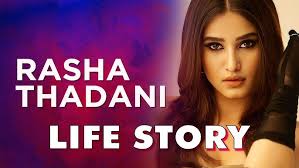
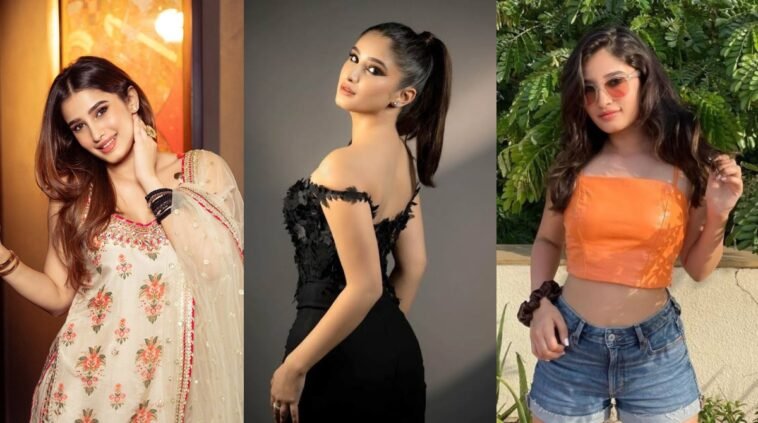
Rasha Thadani, born on March 16, 2005, is the daughter of Bollywood actress Raveena Tandon and film distributor Anil Thadani. She grew up in Mumbai and is a student at the prestigious Dhirubhai Ambani International School. Known for her diverse talents, Rasha is passionate about music, sports, and martial arts. Rasha Thadani Biography, Age, Height, Model and Boyfriend


She holds a black belt in Taekwondo and enjoys boxing. Her artistic inclinations, likely influenced by her mother and maternal grandfather, Ravi Tandon, extend to music and theater.


Rasha Thadani Biography, Age, Height, Model and Boyfriend


Beyond her academics and hobbies,

Rasha has garnered a following on social media, where fans note her resemblance to her mother. Raveena Tandon, who adopted two daughters, Pooja and Chhaya, before marrying Anil Thadani, is known to have a close family bond, and often shares insights into Rasha’s life and achievements, such as her success in Cambridge IGCSE exams and her sporting accolades.


Rasha also has a deep love for animals,

Especially dogs, frequently sharing pictures with them online. While her path in entertainment remains open, her strong presence on social media and her accomplishments suggest she may follow in her mother’s footsteps in the public eye​

Aaman Devgan Biography, Age, Height, Model and Girlfriend

0
Aaman Devgan Biography
Aaman Devgan Biography in hindi

Aaman Devgan, a name that carries the weight of a legendary Bollywood lineage, is slowly but surely making his own mark in the industry. Born on February 14, 1999, to the renowned actor Ajay Devgn and the talented actress Kajol, Aaman is the younger of their two children, with his elder sister Nysa Devgan. Aaman Devgan Biography, Age, Height, Model and Girlfriend 

Aaman Devgan Biography, Age, Height, Model and Girlfriend

Growing up in the spotlight,

Aaman has always been shielded from the prying eyes of the media. His parents have been careful to nurture his childhood away from the glitz and glamour of Bollywood, prioritizing his education and personal growth. However, as he approaches adulthood, Aaman’s interest in the world of cinema is becoming increasingly evident.

Despite his young age,

Aaman has already made a few public appearances, accompanying his parents to various events and award ceremonies. His charming personality and striking resemblance to his father have often caught the attention of the paparazzi and fans alike.

While there have been speculations about Aaman’s potential entry into the film industry, his parents have remained tight-lipped about his future plans. They have emphasized the importance of education and have encouraged him to explore his interests before making any definitive career choices.

Aaman’s journey is still unfolding,

Remains to be seen whether he will follow in the footsteps of his illustrious parents or carve out his own unique path. Regardless of his chosen career, one thing is certain: Aaman Devgan is a name that will continue to intrigue and fascinate the public for years to come.

Projector Innovation Step by Step 1st to Latest

0
Projector Innovation in hindi
Projector Innovation Step by Step 1st to Latest

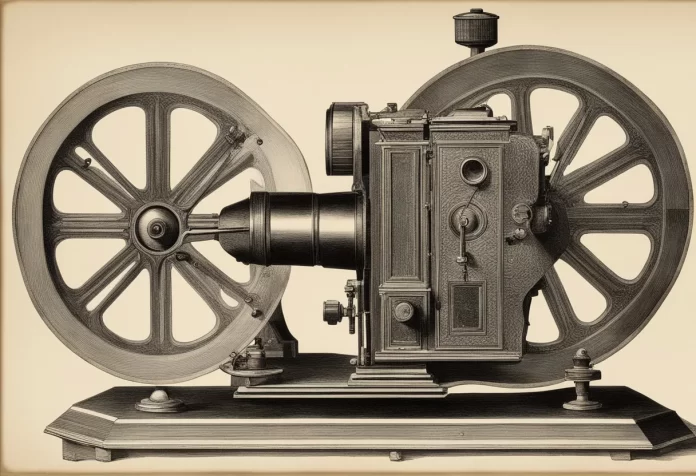
The evolution of projectors is a fascinating journey that reflects advancements in technology and changes in visual storytelling, from the early days of magic lanterns to today’s sophisticated digital projectors. Here’s a step-by-step exploration of key innovations in projector technology. Projector Innovation Step by Step 1st to Latest

1. Magic Lantern (17th Century)

The journey of projection began in the 17th century with the invention of the magic lantern, attributed to Dutch scientist Christiaan Huygens around 1650. This early projector used a simple light source, often a candle or oil lamp, to shine light through a glass slide painted with images. The magic lantern was primarily used for entertainment and educational purposes, captivating audiences with images and stories, paving the way for future projection technology.

Projector Innovation Step by Step 1st to Latest


2. Lantern Slides and Phantasmagoria (19th Century)

By the early 19th century, magic lanterns evolved to include more sophisticated techniques, such as lantern slides. These were glass plates with images, allowing for clearer and more detailed projections. The phantasmagoria, a form of horror theater using projected images, became popular in the late 18th century, showcasing the potential of projected images in storytelling and entertainment, setting the stage for cinematic experiences.

3. Kinetoscope and Early Film Projectors (1890s)

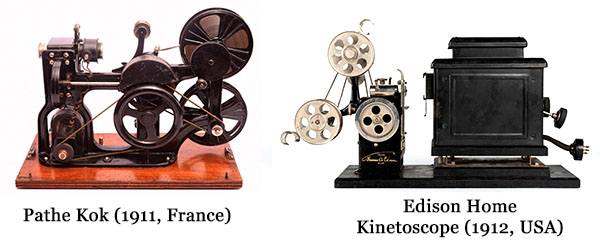
Thomas Edison introduced the Kinetoscope in 1891, a device for viewing moving pictures through a peephole. Although it was not a projector in the traditional sense, it marked the beginning of motion pictures. Around the same time, the Lumière brothers developed the Cinématographe in 1895, which combined a camera, projector, and film developer. The Cinématographe was the first true film projector, allowing films to be shown to large audiences, revolutionizing entertainment.

4. Silent Film Projectors (1900s-1920s)

As the film industry grew, so did the demand for better projectors. Early silent film projectors were developed to accommodate longer films and improve image quality. Innovations in film stock and projection mechanisms allowed for smoother operation and clearer images. By the 1920s, film projectors had become standard in theaters, offering a shared viewing experience that became a cornerstone of entertainment culture.

5. Sound Film Projectors (1927)

The introduction of sound in films with “The Jazz Singer” in 1927 created a new era in cinema, necessitating advancements in projector technology. Projectors were adapted to synchronize audio and visual elements, leading to the development of sound film projectors. This innovation transformed the movie-watching experience, combining dialogue and music with visuals, engaging audiences in unprecedented ways.

6. Overhead Projectors (1950s)

The 1950s saw the rise of overhead projectors, which used transparent sheets (transparencies) to display information. These projectors became popular in educational settings, allowing teachers to present materials interactively. They were simple to use and could display handwritten notes or printed materials, enhancing classroom engagement and communication.

7. Slide Projectors (1960s-1980s)

Slide projectors gained popularity in the 1960s as a means to present photographic slides. They allowed users to project still images onto a screen, making them popular for presentations, lectures, and family gatherings. The 35mm slide projector became the standard for amateur photographers, providing a platform for showcasing personal images.

8. Film Projectors (1970s-1990s)

Film projectors continued to evolve throughout the late 20th century, with advancements in technology improving image quality and sound. 16mm and 35mm projectors became commonplace in schools and cinemas, offering a wide array of films for educational and entertainment purposes. The development of portable film projectors also made it easier to share films in various settings, from classrooms to community events.

9. Video Projectors (1980s)

The 1980s marked the introduction of video projectors, which used CRT (cathode-ray tube) technology to display video images. These projectors were primarily used in professional settings, such as corporate presentations and educational institutions. Video projectors provided greater versatility, allowing users to project content from various sources, including VCRs and computers.

10. LCD and DLP Projectors (1990s-2000s)

The 1990s brought significant advancements in projector technology with the development of LCD (liquid crystal display) and DLP (digital light processing) projectors. LCD projectors offered bright, vibrant images and became widely used in both educational and corporate settings. DLP projectors, utilizing micro mirrors to create images, provided high contrast and better color accuracy, making them popular for home theaters.

11. High-Definition Projectors (2000s)

As technology progressed, high-definition (HD) projectors emerged in the 2000s, providing enhanced resolution and image clarity. With the growing popularity of HD content, these projectors became essential for home theaters, enabling viewers to enjoy films and shows with superior picture quality. The transition from standard definition to HD revolutionized the way people experienced cinema at home.

12. 4K and Ultra HD Projectors (2010s)

In the 2010s, 4K projectors entered the market, offering four times the resolution of 1080p HD projectors. This advancement allowed for incredibly detailed images, enhancing the viewing experience for movies and presentations. As 4K content became more widely available, these projectors gained popularity among home theater enthusiasts and professionals seeking the highest image quality.

13. Laser Projectors (2010s-Present)

Laser projectors emerged as a significant advancement in projection technology. Utilizing laser light sources instead of traditional lamps, these projectors offered greater brightness, color accuracy, and longer lifespans. They became popular in large venues, cinemas, and corporate settings, providing stunning visuals and reducing maintenance costs associated with traditional lamp-based projectors.

14. Smart Projectors (2010s-Present)

Smart projectors, equipped with integrated streaming capabilities and operating systems, have gained traction in recent years. These projectors allow users to access content directly from the internet, eliminating the need for external devices. Many smart projectors feature wireless connectivity, enabling seamless streaming from smartphones and tablets, making them versatile tools for both entertainment and presentations.

15. The Future of Projection Technology

Looking ahead, the future of projection technology promises continued innovation. Advancements in augmented reality (AR) and virtual reality (VR) may lead to new forms of immersive projection experiences. Additionally, improvements in compact, portable projectors will likely enhance accessibility, allowing users to project images and videos anywhere, anytime. As projection technology continues to evolve, it will undoubtedly play a crucial role in entertainment, education, and communication.

Conclusion

From the magic lantern to today’s smart projectors, the evolution of projection technology has transformed how we share and experience visual content. Each innovation has built upon the last, responding to changing needs and technological advancements. As we look to the future, the potential for projection technology remains vast, promising exciting developments in how we engage with visual media.

Light Innovation Step by Step 1st to Latest

0
Light Innovation in hindi
Light Innovation Step by Step 1st to Latest

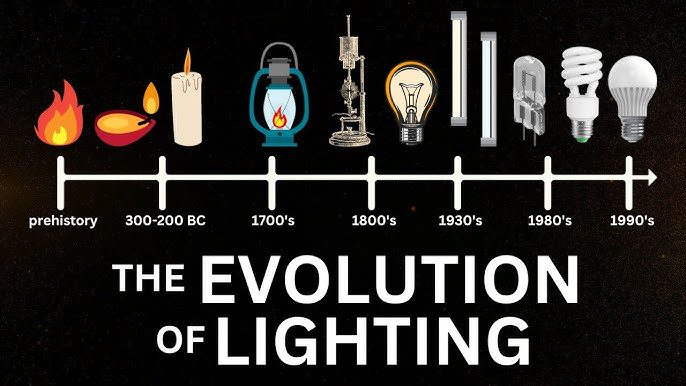
The Light Innovation is a remarkable journey from fire-lit sources to highly efficient LEDs and smart lighting systems, reflecting humanity’s technological and societal advancements. Here’s a detailed, step-by-step look at key innovations in lighting technology, from the earliest forms to modern-day smart lighting. Light Innovation Step by Step 1st to Latest

1. Fire as the First Light Source (Prehistoric Times)

Humanity’s earliest light source was fire, used by prehistoric people to illuminate their surroundings, cook food, and ward off predators. Torches, candles made of animal fat, and oil lamps were the earliest forms of controlled fire for lighting. Animal fats were burned in stone or clay lamps, evolving gradually into oil lamps fueled by vegetable oil or whale oil.

Light Innovation Step by Step 1st to Latest


2. The Introduction of Candles (Ancient Civilizations)

Candles became popular during the Roman era, made from tallow or beeswax and mounted on sticks. While not very bright, candles became a significant light source in homes and churches. Their production spread through Europe, Asia, and the Middle East over the centuries, eventually becoming essential in households.

3. Gas Lighting (Late 18th Century)

The Industrial Revolution brought gas lighting, transforming public spaces and enabling extended working hours in factories and homes. In 1792, William Murdoch pioneered gas lighting by using coal gas to illuminate his house. By the early 1800s, gas lamps were widely used in cities, lighting streets, and homes. However, gas lighting was costly and posed fire risks, limiting its use.

4. The Electric Arc Lamp (Early 19th Century)

In the early 1800s, Humphry Davy invented the first electric arc lamp by creating an electric arc between two carbon rods. Arc lamps were powerful but too bright for most indoor uses, so they were primarily used in street lighting, theaters, and industrial areas. These arc lights marked the beginning of electricity-based lighting, inspiring further innovation.

5. The Invention of the Incandescent Light Bulb (1879)

Thomas Edison and Joseph Swan independently developed commercially viable incandescent light bulbs in the late 19th century. Edison’s carbon-filament bulb was long-lasting and affordable, leading to widespread use. The incandescent bulb quickly replaced gas lighting in homes and factories, as it was safer, cleaner, and more practical.

6. Improvements in Incandescent Technology (Early 20th Century)

Over the years, incandescent bulbs were improved with tungsten filaments, introduced in 1904. Tungsten offered longer life and better efficiency than earlier carbon filaments. This innovation solidified the incandescent bulb as a staple in households and industries for nearly a century.

7. Introduction of Fluorescent Lighting (1930s-1940s)

Fluorescent lamps emerged in the 1930s, using a tube filled with mercury vapor and coated with phosphor. These bulbs produced more light and used less energy than incandescent bulbs. Due to their efficiency, fluorescent lights became popular in offices, schools, and commercial buildings, marking a major shift toward energy-saving lighting technology.

8. Compact Fluorescent Lamps (CFLs) (1980s)

In the 1980s, compact fluorescent lamps (CFLs) were introduced as an alternative to incandescent bulbs. CFLs used about 70-80% less energy than incandescents and lasted up to 10 times longer. Despite their higher upfront cost, CFLs gained popularity as energy-efficient household lighting, especially as environmental awareness increased.

9. Introduction of Light-Emitting Diodes (LEDs) (1960s-2000s)

LED technology, developed in the 1960s, originally produced only red light and was used in electronic displays. In the 1990s, researchers created blue LEDs, allowing the creation of white light when combined with other colors. By the early 2000s, LEDs became a viable option for general lighting due to their durability, low energy consumption, and long lifespan.

10. Energy-Efficient Lighting Regulations (2000s)

As environmental concerns grew, countries introduced regulations phasing out incandescent bulbs in favor of more energy-efficient options like CFLs and LEDs. The European Union and the United States implemented measures to encourage the transition, leading to a decline in incandescent usage and a boost in LED adoption.

11. Widespread LED Adoption (2010s)

By the 2010s, advancements in LED technology made it the preferred choice for home and commercial lighting. LEDs used 80-90% less energy than incandescent bulbs and had a much longer lifespan. The prices of LEDs fell significantly, making them accessible to a broad range of consumers, and they rapidly became the standard in most households.

12. Smart Lighting Systems (2010s-Present)

With the rise of the Internet of Things (IoT), smart lighting systems became a new frontier in lighting technology. Companies like Philips and LIFX introduced smart bulbs that could be controlled remotely via smartphones or voice assistants. These lights allow users to adjust brightness, color, and scheduling, and are compatible with platforms like Amazon Alexa and Google Assistant.

13. Human-Centric and Circadian Lighting (Present)

Human-centric lighting emerged as an innovation to support well-being by mimicking natural light patterns. These lights adjust their color temperature and brightness throughout the day to align with human circadian rhythms. This approach, used in both homes and workplaces, aims to enhance productivity, mood, and sleep quality.

14. Solar-Powered and Sustainable Lighting Solutions (Present)

Sustainability has become a major focus in lighting design, leading to the development of solar-powered and recyclable lighting products. Solar lights are widely used in outdoor and off-grid applications, especially in developing regions with limited access to electricity. Sustainable materials and eco-friendly designs are now increasingly popular in lighting products, meeting consumer demand for green options.

15. The Future of Lighting: Advanced LEDs and AI Integration

Looking forward, lighting technology will continue to innovate, with LEDs advancing toward even greater energy efficiency and longevity. AI integration may enable lighting systems to adjust automatically based on environmental cues or user behavior, further enhancing energy savings. Additionally, the development of OLEDs (organic LEDs) and quantum dot LEDs offers the potential for thinner, more flexible, and vibrant lighting solutions.

Conclusion

The evolution of lighting, from fire to intelligent, energy-efficient systems, mirrors humanity’s progress in science and environmental awareness. Each major advancement, from the incandescent bulb to LEDs and smart lighting, has improved efficiency, accessibility, and the overall quality of life. As technology advances, lighting will likely continue to integrate with our daily lives, evolving to meet both functional needs and environmental goals.

Watch Innovation Step by Step 1st to Latest

0
Watch Innovation in hindi
Watch Innovation Step by Step 1st to Latest

The history of watches is a story of technological advancement, Watch Innovation from simple time-telling devices to multifunctional smartwatches. Here’s a step-by-step look at the innovations in watch technology, from the earliest mechanical watches to today’s sophisticated wearables. Watch Innovation Step by Step 1st to Latest

1. Early Mechanical Clocks (14th-15th Century)

Before watches, large mechanical clocks in Europe were built to tell time for entire communities. These clocks, powered by weights or springs, were often found in church towers and public squares. By the 15th century, advancements in miniaturizing gears and mechanisms made it possible to create smaller, portable timepieces.

Watch Innovation Step by Step 1st to Latest


2. First Pocket Watches (16th Century)

The earliest portable watches appeared in the 16th century, primarily in Germany and Italy. They were called “pocket clocks” due to their size and were often worn around the neck or attached to clothing. Innovations like the mainspring allowed for more compact designs. These watches were luxury items reserved for royalty and the wealthy, often decorated elaborately as symbols of status.

3. Introduction of the Balance Spring (1675)

In 1675, Dutch scientist Christiaan Huygens invented the balance spring (or hairspring), significantly improving accuracy in timekeeping. This innovation laid the foundation for modern mechanical watchmaking, allowing pocket watches to become more reliable and accurate. The balance spring, combined with a balance wheel, regulated the motion of the watch’s hands.

4. Mass Production of Pocket Watches (19th Century)

In the 19th century, the Industrial Revolution enabled mass production of pocket watches, making them more affordable. Companies like Waltham Watch Company in the United States pioneered mass production techniques, producing affordable pocket watches accessible to the working class. By the late 1800s, pocket watches had become standard accessories, especially among men.

5. The First Wristwatches (Early 20th Century)

While wristwatches existed as early as the 16th century, they were considered jewelry for women. In the early 20th century, wristwatches gained popularity among men due to their practicality during World War I, as soldiers found them more convenient than pocket watches. By the 1920s, wristwatches became fashionable and were increasingly adopted by the general public.

6. Automatic Movements and Self-Winding Watches (1920s-1930s)

In 1923, British watch repairer John Harwood invented the first automatic, or self-winding, wristwatch. These watches were powered by the movement of the wearer’s wrist, which rotated a weight inside the case to wind the mainspring automatically. This innovation eliminated the need for manual winding and paved the way for more convenient, low-maintenance watches.

7. Quartz Watches Revolution (1969)

In 1969, Seiko introduced the first quartz watch, the Seiko Astron. Quartz technology, which uses a small quartz crystal to regulate the timekeeping, was significantly more accurate and cheaper to produce than mechanical movements. This innovation triggered the “Quartz Crisis” in the 1970s and 80s, which saw traditional Swiss watchmakers struggling to compete. Quartz watches became widely popular due to their affordability, accuracy, and low maintenance.

8. Digital Watches (1970s)

The 1970s also saw the rise of digital watches, starting with the Hamilton Pulsar Time Computer in 1972. LED and later LCD digital displays offered a new way to tell time and often included additional functions like alarms and calendars. These futuristic-looking watches were initially expensive, but prices soon dropped, making digital watches popular, especially among younger audiences.

9. Luxury Watches and the Revival of Mechanical Watches (1980s-1990s)

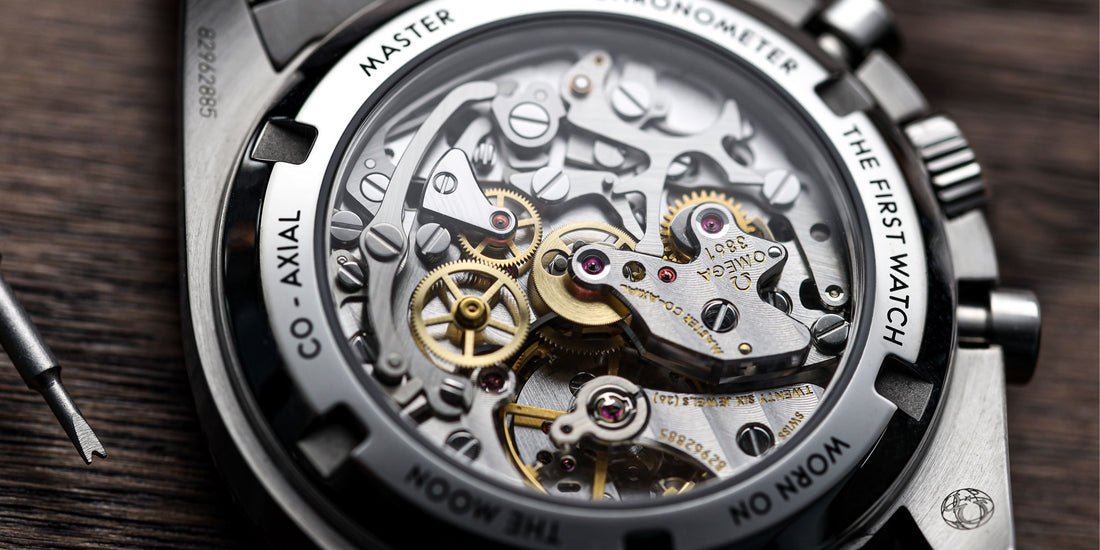
In response to the quartz dominance, Swiss watchmakers focused on luxury, craftsmanship, and mechanical complexities. Iconic brands like Rolex, Patek Philippe, and Omega created high-end mechanical watches with intricate designs, appealing to collectors and enthusiasts. Mechanical watches became symbols of luxury, countering the mass-market quartz watches. This period marked a revival in mechanical watch appreciation, positioning them as timeless works of art and engineering.

10. The First Smartwatches (Early 2000s)

The early 2000s saw the emergence of the first smartwatches, which combined timekeeping with limited digital functions. Watches like the Microsoft SPOT and Fossil Wrist PDA offered notifications and basic apps but were not widely adopted due to limited battery life and high prices. However, these early devices laid the groundwork for the later success of smartwatches.

11. Fitness Trackers and Health Features (2010s)

Fitness tracking entered the market with devices like the Fitbit in 2009, which was a wrist-worn pedometer. Over time, fitness trackers evolved to include heart rate monitoring, GPS, and sleep tracking, appealing to fitness and health enthusiasts. These devices marked a new era of wearables focused on health data, which would become a major feature of future smartwatches.

12. Apple Watch and the Smartwatch Boom (2015)

The Apple Watch, launched in 2015, revolutionized the smartwatch industry by integrating communication, health tracking, and customizable apps in a sleek, wearable design. Apple’s entry into the market popularized the smartwatch category, encouraging brands like Samsung, Garmin, and Huawei to create competing devices. The Apple Watch and other smartwatches brought features like text notifications, GPS, heart rate monitoring, and app integration to a mass audience, making smartwatches mainstream.

13. Advanced Health Monitoring (Late 2010s – Present)

Today, smartwatches have become sophisticated health-monitoring tools. Devices like the Apple Watch Series 4 introduced electrocardiogram (ECG) capabilities, allowing users to monitor heart rhythms and detect irregularities. Newer models include blood oxygen monitoring, fall detection, and temperature sensors, making smartwatches essential health devices for users.

14. Luxury Smartwatches and Hybrid Designs (Present)

The watch industry has seen the blending of luxury and technology with brands like Tag Heuer and Montblanc creating high-end smartwatches. These devices combine the aesthetics of luxury watches with modern smart features, appealing to consumers who desire both style and functionality. Additionally, hybrid smartwatches like the Withings Steel HR offer a classic analog look with hidden digital features, merging traditional design with modern capabilities.

15. Future of Smartwatches: AI Integration and Sustainability

Looking forward, smartwatch technology will likely include more advanced AI features, potentially analyzing health data to predict health issues or monitor mental well-being. Advances in materials and battery technology will also lead to more sustainable watches. Smartwatches are set to play a role in digital healthcare ecosystems, as they integrate further with health and wellness platforms.

Conclusion

The evolution of watches from mechanical devices to smart, health-monitoring gadgets demonstrates a shift in focus from simply telling time to enhancing lifestyle and well-being. From ancient clocks to smartwatches, each innovation reflects advances in technology and changes in how we perceive time, fashion, and personal health.

Fan Innovation Step by Step 1st to Latest

0
Fan Innovation
Fan Innovation in hindi

The evolution of fans spans from simple hand-held devices to complex, efficient machines that cool homes, industries, and even entire cities. Here’s a step-by-step look at fan innovation from the first mechanical fans to modern smart fans. Fan Innovation Step by Step 1st to Latest

1. Early Handheld and Manually Operated Fans (Ancient Times)

Fans were originally hand-operated, and evidence of handheld fans dates back to ancient civilizations like Egypt, China, and India. These fans were often woven from materials like palm leaves or bamboo and symbolized wealth and status. In Asian cultures, fans evolved into intricate designs, some even incorporating silk and feathers.

2. The First Mechanical Fan (Early 1800s)

The 19th century brought the first mechanically powered fans. In 1830, a ventilating device powered by a hand crank was used in mine shafts. Soon after, mechanical fans began appearing in factories to help cool workers and disperse toxic fumes. These initial mechanical fans relied on steam or water to turn the blades.

Fan Innovation Step by Step 1st to Latest


3. Electric Fans Introduced (1880s)

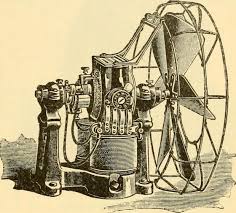
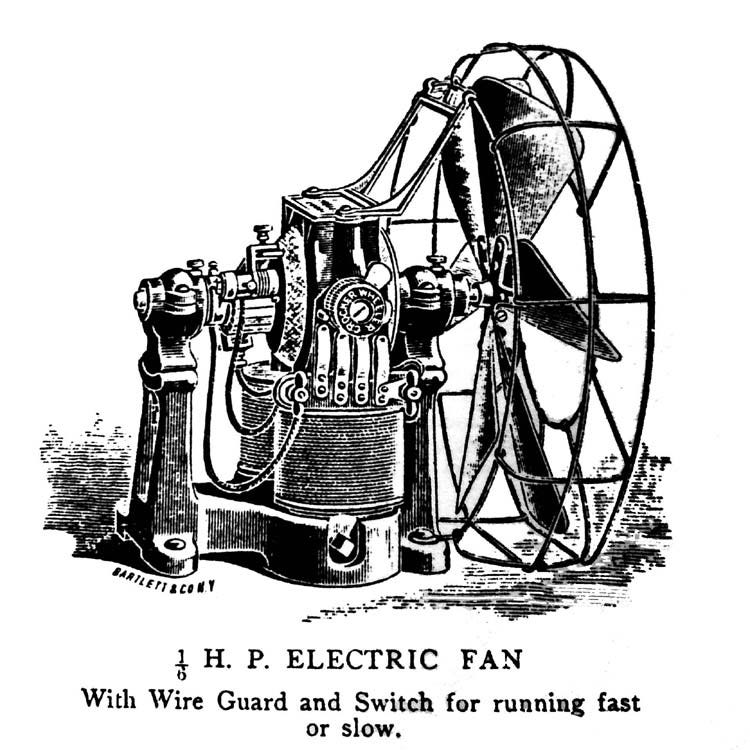
The invention of electric fans in the 1880s marked a significant milestone. In 1882, Schuyler Skaats Wheeler created a two-bladed electric fan that could be powered by direct current (DC) electricity. It was a desktop fan mainly used in offices. Around this time, companies like General Electric and Westinghouse began manufacturing and selling electric fans to the public, turning fans from industrial tools into household appliances.

4. Oscillating Fans (1900s)

In the early 1900s, engineers added an oscillation feature to electric fans, allowing them to cool larger areas by rotating from side to side. In 1904, the first oscillating fan was introduced by the American fan company Jandus. This innovation quickly gained popularity, as it provided more effective cooling than stationary fans.

5. Metal Blades and Cage Design (1920s)

As fan popularity grew, safety and durability became primary concerns. Companies introduced metal blades and protective cages, reducing injuries and enhancing the durability of fans. These models were typically heavy and noisy, but they became a staple in households and workplaces.

6. Plastic Fans and Compact Designs (1950s-1960s)

The 1950s and 60s saw significant changes in fan materials and designs, particularly with the introduction of plastic. Plastic fans were lighter, safer, and cheaper to produce than metal fans. The shift to plastic also allowed manufacturers to experiment with color and design, making fans more stylish and accessible to a wider audience.

7. Ceiling Fans and Energy Efficiency (1970s)

Ceiling fans experienced a resurgence in the 1970s amid rising energy costs. These fans offered a cost-effective way to cool rooms, as they use less energy than air conditioning. Hunter, a major fan company, marketed energy-efficient ceiling fans designed to circulate air and reduce energy consumption. Ceiling fans became standard fixtures in homes and offices as people sought energy-saving options for climate control.

8. Portable and Window Fans (1980s)

As home layouts and air conditioning became more prevalent, portable fans became popular for targeted cooling. Box fans and window fans emerged as simple, affordable options to increase airflow and improve ventilation. They provided versatility, allowing users to place them in specific rooms or window spaces.

9. Introduction of Air Purification and Tower Fans (1990s)

In the 1990s, manufacturers combined fans with air-purification technology, adding HEPA filters to trap dust, pollen, and allergens. Tower fans, which are slim and vertically oriented, became popular for their space-saving design. These fans oscillate and offer a sleek appearance suitable for modern homes, blending cooling with air purification.

10. Dyson’s Bladeless Fan (2009)

Dyson revolutionized the fan industry in 2009 with the introduction of the Dyson Air Multiplier, a bladeless fan that produces an uninterrupted airflow. It works by drawing in air through the base and amplifying it, resulting in a smoother and safer cooling experience. The bladeless design not only improved safety but also allowed for easier cleaning and a unique, futuristic aesthetic.

11. Smart Fans and IoT Integration (2010s)

As smart home technology became popular in the 2010s, fan manufacturers began incorporating smart features like Wi-Fi, voice control, and app integration. Companies like Haiku Home introduced fans with motion sensors, climate monitoring, and compatibility with smart home ecosystems like Amazon Alexa and Google Assistant. These fans can adjust speed and oscillation automatically based on room temperature, humidity, and user preferences.

12. Energy-Efficient and DC Motor Fans (2010s-Present)

Energy efficiency became a major focus, and DC (direct current) motors emerged as a more efficient alternative to traditional AC (alternating current) motors. DC fans consume less electricity, are quieter, and provide a range of speed options. This trend aligns with growing environmental consciousness and rising energy costs, making DC motor fans an attractive option for both residential and commercial spaces.

13. Ceiling Fans with Reversible Blades and Lighting Integration (2020s)

Today, ceiling fans are available with reversible blades, allowing users to switch between clockwise and counterclockwise rotation to circulate warm air in winter and cool air in summer. Fans with integrated LED lighting offer multi-functionality, combining lighting with climate control. This feature is especially popular in compact spaces and homes seeking energy-efficient, multifunctional devices.

14. Solar-Powered and Eco-Friendly Fans (Present)

Environmental sustainability has prompted the development of solar-powered fans, which are ideal for outdoor use and homes aiming to reduce their carbon footprint. Companies have begun using recyclable materials in fan construction, catering to consumers interested in eco-friendly options. Solar fans are especially popular in off-grid homes, outdoor settings, and areas with abundant sunlight.

15. The Future: AI-Controlled Fans and Climate-Adaptive Technology

Looking ahead, AI-powered fans may become standard, with features that adjust airflow, speed, and oscillation based on real-time data on room occupancy, temperature, and weather conditions. Fans with built-in climate sensors and machine learning capabilities could potentially integrate with broader smart home systems, optimizing indoor climate by working in tandem with air conditioning or heating units.

Conclusion

The journey of fan technology reflects advancements in engineering, design, and sustainability. From hand-operated fans to smart, eco-friendly appliances, fans have transformed from simple tools for cooling to essential elements in creating comfortable, connected, and climate-conscious environments. As technology continues to evolve, the fan industry will likely continue to innovate, focusing on energy efficiency, environmental responsibility, and enhanced user experience.

Mobile Innovation Step by Step 1st to Latest

0
Mobile Innovation in hindi
Mobile Innovation Step by Step 1st to Latest

The evolution of mobile phones has transformed communication, productivity, and lifestyles globally. Here’s a timeline showcasing the key innovations in mobile technology from the first mobile phone to today’s latest smartphones. Mobile Innovation Step by Step 1st to Latest

1. The First Mobile Phone (1973)

The mobile phone began with the Motorola DynaTAC 8000X, created by Martin Cooper and his team at Motorola. Released in 1983 after a decade of development, the DynaTAC was the world’s first commercially available mobile phone. It weighed nearly 2 pounds, had 30 minutes of talk time, and took about 10 hours to recharge. This analog phone marked the start of the mobile revolution but was expensive and accessible only to a few.

Mobile Innovation Step by Step 1st to Latest


2. The First Generation (1G) Networks (1980s)

1G, the first generation of mobile network technology, used analog signals to transmit voice data. Despite limitations in sound quality and security, it enabled voice-only communication and opened up mobile telephony to a broader market. By the late 1980s, Motorola continued to lead with models like the MicroTAC, which introduced the first flip-phone design.

3. The Second Generation (2G) and SMS (1991)

2G networks, introduced by Finland’s Radiolinja in 1991, marked the shift from analog to digital technology, improving call quality and allowing text messaging for the first time. Nokia’s 1011 model was one of the first to support SMS (Short Message Service). This generation also brought improvements in battery life and compact designs, making mobile phones more portable and affordable.

4. The Nokia Era and the Rise of Customization (1990s)

Nokia dominated the 1990s with models like the Nokia 3210 and 3310. These phones were durable, compact, and came with customizable features like interchangeable covers and ringtones. The Nokia 3310 became iconic due to its sturdiness and battery life, cementing Nokia’s role in making mobile phones mainstream and accessible.

5. The Third Generation (3G) and Mobile Internet (2001)

3G technology introduced higher data speeds, enabling internet access and multimedia features. In 2001, Japan’s NTT DoCoMo launched the first commercial 3G network, allowing users to make video calls and download content. The first 3G-enabled phone was the NEC e606, which supported internet browsing, email, and video calls, marking the transition to more connected mobile devices.

6. Introduction of Smartphones (2002-2007)

The early 2000s saw the introduction of the first smartphones that integrated calling with productivity tools. Devices like the BlackBerry 6210 (2003) and Palm Treo 600 (2003) combined email, web browsing, and calendar functions, making them essential tools for business users. BlackBerry, especially, became synonymous with mobile productivity due to its secure email service and QWERTY keyboard.

7. The Game-Changer: Apple iPhone (2007)

The iPhone, launched by Apple in 2007, redefined mobile technology. It featured a multi-touch capacitive screen, eliminating the need for a stylus or physical keyboard. The iPhone combined phone, music player, camera, and internet browsing in one sleek device, setting a new standard in user interface and design. Its success popularized the touchscreen and app-based ecosystem, leading to the birth of modern smartphones.

8. The Google Android and App Ecosystem (2008-2010)

Following the iPhone, Google launched Android, an open-source operating system, in 2008. Android powered the HTC Dream (also known as the T-Mobile G1), the first Android phone. The OS allowed manufacturers to create customizable, affordable devices with access to the growing Android Market (later Google Play). By 2010, the competition between iOS and Android established the app-centric ecosystem that has defined smartphones ever since.

9. 4G LTE Networks and the Rise of Streaming (2010s)

4G LTE technology, introduced in the early 2010s, increased data speeds significantly, enabling seamless streaming of high-quality video and music. This generation also saw larger screens, high-resolution displays, and powerful processors in devices like the Samsung Galaxy S series and Apple iPhone 4. The era of mobile streaming and social media flourished as 4G networks made it easier to consume data-intensive content.

10. Phablets and the Screen Size Trend (2011-2015)

As smartphones became integral to daily life, screen size increased. Samsung popularized the “phablet” with the Galaxy Note series, combining phone and tablet features with a stylus for improved productivity. The larger screen trend caught on, leading Apple to release the iPhone 6 Plus in 2014. This shift met the demand for bigger screens suitable for reading, watching videos, and multitasking.

11. Biometrics and AI (2016-Present)

Advances in biometric security began with Apple’s iPhone 5s (2013), introducing fingerprint scanning. In 2017, Apple’s iPhone X launched Face ID, a facial recognition system that replaced Touch ID. Simultaneously, AI-powered voice assistants like Apple’s Siri, Google Assistant, and Amazon’s Alexa brought smart features to mobile devices. AI algorithms now improve camera quality, battery life, and user experience.

12. 5G Networks and Augmented Reality (2020s)

The arrival of 5G networks promised download speeds up to 100 times faster than 4G. With 5G, smartphones like Samsung’s Galaxy S21 and Apple’s iPhone 12 became powerful tools for augmented reality (AR) and virtual reality (VR), making new applications like real-time multiplayer gaming and AR-based navigation possible. 5G also fuels IoT, allowing mobile devices to communicate more efficiently with smart home devices and other connected systems.

13. Foldable Phones and New Form Factors (2020s)

Manufacturers like Samsung, Huawei, and Motorola introduced foldable phones, blending the portability of phones with the screen size of tablets. The Samsung Galaxy Fold and Motorola Razr, for example, feature flexible screens that unfold to larger displays. Although still evolving, foldable technology offers users versatility, hinting at a future where phones adapt dynamically to user needs.

14. The Future: AI Integration and Sustainable Tech

Mobile technology continues to advance with features like AI-driven personalized experiences, improved battery technology, and sustainability initiatives. Companies are now focusing on recycling programs, modular designs, and eco-friendly materials to reduce the environmental impact of smartphones. Enhanced AI may soon lead to context-aware interfaces, further automating and customizing user experience. AR glasses and wearable devices could one day replace smartphones, pushing mobile tech toward more immersive and hands-free interaction.

Conclusion

From the first analog phone to today’s AI-powered 5G smartphones, mobile technology has grown rapidly, transforming how we connect, work, and entertain ourselves. As mobile technology continues to evolve, the focus is on more integrated, intuitive, and sustainable experiences, setting the stage for a future where mobile devices are essential to our digital and physical lives.