Blog Page 19

Australia Golden Visa Process in Hindi

0
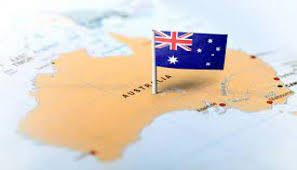
Australia Golden Visa Process
Australia Golden Visa in Hindi

Australia Golden Visa Process in officially known as the *Significant Investor Visa (SIV)* or *Sone ka Visa* (рд╕реЛрдиреЗ рдХрд╛ рд╡реАрдЬрд╛), is a residency-by-investment program under the *Business Innovation and Investment Program (BIIP)*, designed to attract high-net-worth *videshi niveshak* (рд╡рд┐рджреЗрд╢реА рдирд┐рд╡реЗрд╢рдХ) to boost AustraliaтАЩs economy. However, the Australian government discontinued the SIV in January 2024, replacing it with alternative pathways like the *Business Innovation and Investment (Provisional) Visa (Subclass 188)* and *Global Talent Visa (Subclass 858)*. This 900-word guide, provides accurate details on these current options, covering process, timing, documents, age limit, requirements, benefits, income, and investment *Yeh naye pathways abhi bhi residency ke liye shandar mauka dete hain*

┬а

Overview of the *Sone ka Visa* Alternatives

The *SIV* required a minimum investment of AUD 5 million (approx. тВ╣25 crore) for a provisional visa leading to permanent residency via *Subclass 888*. Its termination in 2024 reflected criticism that it didnтАЩt deliver sufficient economic benefits. Now, the *Subclass 188* and *Global Talent Visa (Subclass 858)* serve as alternatives, offering pathways to permanent residency for investors, entrepreneurs, and exceptional talent. These visas, part of the *BIIP*, encourage *nivesh* (рдирд┐рд╡реЗрд╢) in Australian businesses, startups, and priority sectors like DigiTech, FinTech, and Quantum Computing. *Yeh visas Australia ke vibrant economy mein yogdan dete hain* (рдпреЗ рд╡реАрдЬрд╛ рдСрд╕реНрдЯреНрд░реЗрд▓рд┐рдпрд╛ рдХреЗ рд╡рд╛рдЗрдмреНрд░реЗрдВрдЯ рдЗрдХреЛрдиреЙрдореА рдореЗрдВ рдпреЛрдЧрджрд╛рди рджреЗрддреЗ рд╣реИрдВ). Successful applicants can include their spouse and dependent children, gaining access to AustraliaтАЩs lifestyle and opportunities.


Australia Golden Visa Process in Hindi


Eligibility and Requirements (Australia Golden Visa Process)

The *Subclass 188* and *Subclass 858* have distinct *maapdand* (рдорд╛рдкрджрдВрдб):


1. **Age Limit**:

┬а ┬а– *Subclass 188 (Investor Stream)*: Applicants should be under 55 unless a state/territory nominates them for exceptional economic benefit. *Koi strict umra seema nahi hai agar state support kare* (рдХреЛрдИ рд╕рдЦреНрдд рдЙрдореНрд░ рд╕реАрдорд╛ рдирд╣реАрдВ рд╣реИ рдЕрдЧрд░ рд╕реНрдЯреЗрдЯ рд╕рдкреЛрд░реНрдЯ рдХрд░реЗ).

┬а ┬а– *Global Talent Visa (Subclass 858)*: No age limit, making it ideal for older *niveshak* and professionals. *Yeh flexibility sabke liye attractive hai* (рдпрд╣ рдлреНрд▓реЗрдХреНрд╕рд┐рдмрд┐рд▓рд┐рдЯреА рд╕рднреА рдХреЗ рд▓рд┐рдП рдЖрдХрд░реНрд╖рдХ рд╣реИ).


2. **Investment**:

┬а ┬а– *Subclass 188 (Investor Stream)*: Requires AUD 2.5 million (approx. тВ╣12.5 crore) in *complying investments* like:

┬а ┬а ┬а– AUD 500,000 in venture capital/growth private equity for startups.

┬а ┬а ┬а– AUD 1 million in emerging companies listed on the Australian Stock Exchange.

┬а ┬а ┬а– AUD 1 million in balanced investments (e.g., managed funds, bonds). Investments must be held for four years.

┬а ┬а– *Global Talent Visa*: No mandatory investment, but applicants must demonstrate *exceptional achievements* in priority sectors (e.g., patents, awards) or a salary above AUD 153,600 (approx. тВ╣7.7 crore) annually. *Yeh visa talent-driven hai, nivesh optional* (рдпрд╣ рд╡реАрдЬрд╛ рдЯреИрд▓реЗрдВрдЯ-рдбреНрд░рд┐рд╡рди рд╣реИ, рдирд┐рд╡реЗрд╢ рдСрдкреНрд╢рдирд▓).


3. **Income**: No specific *aay* (рдЖрдп) threshold for *Subclass 188*, but funds must be *vidhi-sammat* (рд╡рд┐рдзрд┐-рд╕рдореНрдордд). For *Subclass 858*, high-income professionals (AUD 153,600+) qualify without investment. Applicants must show sufficient funds to support themselves and dependents.


4. **Business Experience**:

┬а ┬а– *Subclass 188*: Requires three years of business/investment experience and a net worth of AUD 2.5 million. Applicants must score 65+ points on the *SkillSelect* points test.

┬а ┬а– *Subclass 858*: Requires international recognition in fields like Agri-Tech or Medical Technology.


5. **Health and Character**: All applicants need medical clearances and police certificates for *charitra praman* (рдЪрд░рд┐рддреНрд░ рдкреНрд░рдорд╛рдг).


6. **Nomination**: Both visas require nomination by a state/territory government or Austrade. *Yeh nomination process ko authentic banata hai* (рдпрд╣ рдиреЙрдорд┐рдиреЗрд╢рди рдкреНрд░реЛрд╕реЗрд╕ рдХреЛ рдСрдереЗрдВрдЯрд┐рдХ рдмрдирд╛рддрд╛ рд╣реИ).


Application Process

The process for both visas is managed via *ImmiAccount* and *SkillSelect*. *Yeh process systematic aur transparent hai* (рдпрд╣ рдкреНрд░реЛрд╕реЗрд╕ рд╕рд┐рд╕реНрдЯрдореИрдЯрд┐рдХ рдФрд░ рдЯреНрд░рд╛рдВрд╕рдкреЗрд░реЗрдВрдЯ рд╣реИ):


1. **Expression of Interest (EOI)**: Submit an EOI through *SkillSelect* (Subclass 188) or the *Global Talent Portal* (Subclass 858), detailing *nivesh* plans or achievements.


2. **Nomination**: Secure nomination from a state/territory or Austrade.


3. **Invitation to Apply (ITA)**: Receive an ITA within 60 days (Subclass 858) or longer for Subclass 188, valid for 60 days to lodge the application.


4. **Submit Application**: Upload documents via *ImmiAccount*, pay fees (starting at AUD 2,890 for Subclass 188), and complete health/character checks.


5. **Investment and Residency**: For Subclass 188, transfer funds within 12 months and maintain investments for four years. For Subclass 858, no investment is required, but applicants must reside in Australia to qualify for permanent residency.


6. **Permanent Residency (Subclass 888)**: After meeting residency and investment conditions, apply for permanent residency, then *nagrikta* after five years.


Timing

– **EOI and ITA**: Subclass 858 processes within 60 days; Subclass 188 takes 4тАУ6 months.

– **Application Processing**: Subclass 188 decisions in 4тАУ15 months; Subclass 858 in ~90 days, depending on document completeness.

– **Investment**: Subclass 188 requires funds transfer within 12 months and maintenance for four years.

– **Residency Requirements**: Subclass 188 requires 40 days/year in Australia (or 180 days for spouse) over four years. Subclass 858 requires two years within five years for permanent residency.

– **Citizenship**: After five years (including 1,095 days in Australia), apply for *nagrikta*, taking 8тАУ12 months.


*Yeh timeline efficient aur predictable hai* (рдпрд╣ рдЯрд╛рдЗрдорд▓рд╛рдЗрди рдПрдлрд┐рд╢рд┐рдПрдВрдЯ рдФрд░ рдкреНрд░реЗрдбрд┐рдХреНрдЯреЗрдмрд▓ рд╣реИ).


Required Documents

Applicants need the following *dastavez* (рджрд╕реНрддрд╛рд╡реЗрдЬрд╝):

– Valid passport and photos.

– Proof of lawful funds (e.g., bank statements, tax returns, asset valuations).

– Police clearance certificates (less than 12 months old).

– Health certificates from panel physicians.

– Nomination letter from state/territory or Austrade.

– For Subclass 188: Financial statements, business records, investment plans.

– For Subclass 858: Evidence of achievements (patents, awards, publications).

– For family: Marriage/birth certificates.


*Sabhi dastavez clear aur verified hone chahiye* (рд╕рднреА рджрд╕реНрддрд╛рд╡реЗрдЬрд╝ рдХреНрд▓рд┐рдпрд░ рдФрд░ рд╡реЗрд░рд┐рдлрд╛рдЗрдб рд╣реЛрдиреЗ рдЪрд╛рд╣рд┐рдП).


Benefits

The *Sone ka Visa* alternatives offer significant *labh* (рд▓рд╛рдн):

– **Residency**: Live, work, and study in Australia with access to *Medicare* and top-tier *shiksha* (рд╢рд┐рдХреНрд╖рд╛).

– **Family Inclusion**: Spouse and dependent children gain the same rights.

– **Tax Benefits**: Temporary residents are exempt from tax on foreign income and capital gains on overseas assets. *Yeh tax exemptions financial savings dete hain* (рдпреЗ рдЯреИрдХреНрд╕ рдПрдЧреНрдЬреЗрдореНрдкрд╢рдиреНрд╕ рдлрд╛рдЗрдиреЗрдВрд╢рд┐рдпрд▓ рд╕реЗрд╡рд┐рдВрдЧреНрд╕ рджреЗрддреЗ рд╣реИрдВ).

– **Path to Citizenship**: Permanent residency via Subclass 888 leads to *nagrikta*, offering visa-free travel to 183 countries.

– **Lifestyle**: Access to AustraliaтАЩs safe, multicultural environment and high quality of life.


Challenges

– High *nivesh* thresholds (AUD 2.5 million for Subclass 188).

– Subclass 188 requires business experience and points test.

– Residency requirements (40 days/year for Subclass 188).

– SIV termination means no direct AUD 5 million pathway, but alternatives remain robust.


*In chunautiyon ke bawajood, benefits long-term hain* (рдЗрди рдЪреБрдиреМрддрд┐рдпреЛрдВ рдХреЗ рдмрд╛рд╡рдЬреВрдж, рдмреЗрдирд┐рдлрд┐рдЯреНрд╕ рд▓реЙрдиреНрдЧ-рдЯрд░реНрдо рд╣реИрдВ).


Conclusion

With the *Sone ka Visa* (SIV) discontinued, the *Subclass 188* and *Global Talent Visa (Subclass 858)* provide viable pathways for *videshi niveshak* and talented professionals. With flexible age limits, no mandatory English requirement, and clear *dastavez* processes, these visas offer access to AustraliaтАЩs dynamic economy and lifestyle. *Yeh visas ek secure aur samriddh bhavishya ka mauka dete hain* (рдпреЗ рд╡реАрдЬрд╛ рдПрдХ рд╕рд┐рдХреНрдпреЛрд░ рдФрд░ рд╕рдореГрджреНрдз рднрд╡рд┐рд╖реНрдп рдХрд╛ рдореМрдХрд╛ рджреЗрддреЗ рд╣реИрдВ).


Overview

The *Significant Investor Visa* (рд╕реЛрдиреЗ рдХрд╛ рд╡реАрдЬрд╛) was discontinued in January 2024. Current options include *Business Innovation and Investment Visa (Subclass 188)* and *Global Talent Visa (Subclass 858)*, offering residency for investors and exceptional talent. *Yeh visas Australia ke economy aur lifestyle ka dwar kholte hain*.


Eligibility

– **Age**:

┬а – Subclass 188: Under 55, unless state-nominated for economic benefit.

┬а – Subclass 858: *Koi umra seema nahi*.

– **Investment**:

┬а – Subclass 188: AUD 2.5 million (тВ╣12.5 crore) over 4 years in:

┬а ┬а – AUD 500,000 in venture capital/startups.

┬а ┬а – AUD 1 million in emerging companies.

┬а ┬а – AUD 1 million in balanced investments.

┬а – Subclass 858: No investment; requires achievements or AUD 153,600+ salary.

– **Income**: No specific *aay*; funds must be *vidhi-sammat*.

– **Experience**: Subclass 188 needs 3 years business experience, 65+ points. Subclass 858 needs international recognition.

– **Health & Character**: Medical exams, police clearances.

– **Nomination**: State/territory or Austrade nomination.


Process

1. Submit EOI via *SkillSelect* (188) or *Global Talent Portal* (858).

2. Secure nomination.

3. Receive ITA (60 days for 858; 4тАУ6 months for 188).

4. Lodge application via *ImmiAccount*, pay fees (AUD 2,890+).

5. Transfer funds (188) within 12 months; maintain for 4 years.

6. Apply for permanent residency (Subclass 888), then *nagrikta* after 5 years.


Timing

– EOI/ITA: 60 days (858); 4тАУ6 months (188).

– Processing: 4тАУ15 months (188); ~90 days (858).

– Residency: 40 days/year (188) or 2 years in 5 years (858).

– Citizenship: 8тАУ12 months post 5-year residency (1,095 days).


Documents

– Passport, photos.

– Proof of funds (bank statements, tax returns).

– Police and health certificates.

– Nomination letter.

– Subclass 188: Business records, investment plan.

– Subclass 858: Achievement evidence (patents, awards).

– Family: Marriage/birth certificates.


Benefits

– Live, work, study with *Medicare* access.

– Include spouse, children.

– Tax exemptions on foreign income/capital gains.

– Path to *nagrikta* (183 countries visa-free).

– High-quality lifestyle.


Challenges

– High investment (188).

– Business experience (188).

– Residency requirements.


Australia Golden Visa Process Australia Golden Visa Process
New Zealand Golden Visa Process in Hindi
0
New Zealand Golden Visa Process
New Zealand Golden Visa

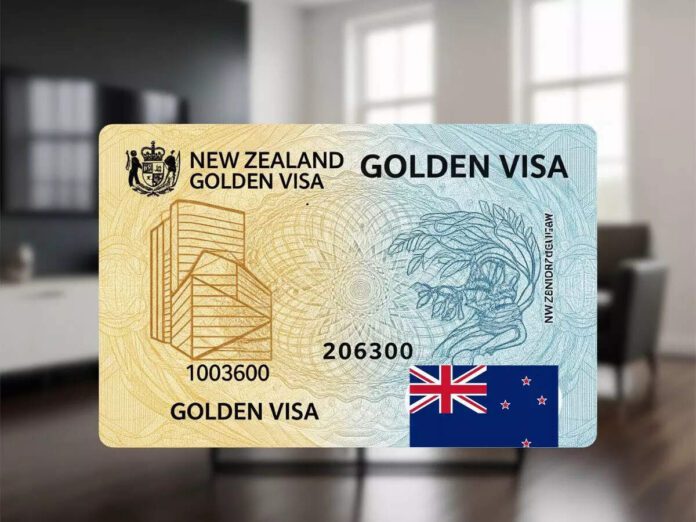
New Zealand Golden Visa Process in officially known as the *Active Investor Plus Visa* or *Sone ka Visa* (рд╕реЛрдиреЗ рдХрд╛ рд╡реАрдЬрд╛), is a residency-by-investment program designed to attract wealthy investors to contribute to New ZealandтАЩs economy. Launched in September 2022 and updated in April 2025, it offers a pathway to permanent residency and, eventually, citizenship for those who meet its requirements. Below is an 800-word overview in English and Hindi, covering the process, timing, documents, age limit, income, and investment details, ensuring proper and accurate information based on recent changes.
 

Overview of the *Sone ka Visa*

The *Active Investor Plus Visa* encourages *videshi niveshak* (рд╡рд┐рджреЗрд╢реА рдирд┐рд╡реЗрд╢рдХ) to invest in New ZealandтАЩs economy, offering the right to live, work, and study indefinitely. It replaced the older Investor 1 and 2 visas, which closed in July 2022. The program is unique because it prioritizes *active investments*тАФlike direct business investments or venture capitalтАФover passive ones like residential property. *Yeh visa New Zealand ke economic growth ko badhata hai* (рдпрд╣ рд╡реАрдЬрд╛ рдиреНрдпреВрдЬрд╝реАрд▓реИрдВрдб рдХреЗ рдЖрд░реНрдерд┐рдХ рд╡рд┐рдХрд╛рд╕ рдХреЛ рдмрдврд╝рд╛рддрд╛ рд╣реИ). Successful applicants can include their spouse and dependent children up to age 24, making it family-friendly. After five years of residency, investors may apply for *nagrikta* (рдирд╛рдЧрд░рд┐рдХрддрд╛).


New Zealand Golden Visa Process in Hindi
 

Eligibility and Requirements

To qualify for the *Sone ka Visa*, applicants must meet specific *maapdand* (рдорд╛рдкрджрдВрдб):


1. **Age Limit**: The minimum age is 18, with *koi umra seema nahi* (рдХреЛрдИ рдЙрдореНрд░ рд╕реАрдорд╛ рдирд╣реАрдВ) for the maximum, making it accessible for older investors, including retirees. *Yeh flexibility is visa ko sabke liye attractive banata hai* (рдпрд╣ рдлреНрд▓реЗрдХреНрд╕рд┐рдмрд┐рд▓рд┐рдЯреА рдЗрд╕ рд╡реАрдЬрд╛ рдХреЛ рд╕рднреА рдХреЗ рд▓рд┐рдП рдЖрдХрд░реНрд╖рдХ рдмрдирд╛рддрд╛ рд╣реИ).

┬а ┬а

2. **Investment**: The visa offers two categories:

┬а ┬а– **Growth Category**: Requires a minimum investment of NZ$5 million (approx. тВ╣25 crore) over three years in *active investments* like direct business investments, managed funds, or listed equities. Applicants must spend at least 21 days in New Zealand over three years.

┬а ┬а– **Balanced Category**: Requires NZ$10 million (approx. тВ╣50 crore) over five years, including bonds, philanthropy, or commercial property. Applicants must spend 105 days in New Zealand, reducible with higher investments. *Yeh investments NZ ke economy mein jobs aur innovation laate hain* (рдпреЗ рдирд┐рд╡реЗрд╢ рдПрдирдЬреЗрдб рдХреА рдЕрд░реНрдерд╡реНрдпрд╡рд╕реНрдерд╛ рдореЗрдВ рдЬреЙрдмреНрд╕ рдФрд░ рдЗрдиреЛрд╡реЗрд╢рди рд▓рд╛рддреЗ рд╣реИрдВ).

┬а ┬а

3. **Income**: ThereтАЩs no specific *aay* (рдЖрдп) requirement, but applicants must prove their investment funds are *vidhi-sammat* (рд╡рд┐рдзрд┐-рд╕рдореНрдордд) or lawfully earned. Evidence like tax returns, payslips, or property sale receipts is required. Applicants must also show sufficient funds to support themselves and their family beyond the investment.


4. **Health and Character**: Applicants must meet *swasthya* (рд╕реНрд╡рд╛рд╕реНрдереНрдп) and *charitra* (рдЪрд░рд┐рддреНрд░) standards, including a clean criminal record and medical clearance.


5. **English Language**: Since April 2025, *Angrezi bhasha* (рдЕрдВрдЧреНрд░реЗрдЬреА рднрд╛рд╖рд╛) proficiency is not mandatory, removing a significant barrier for *videshi niveshak*. However, family members may need to demonstrate English skills for integration, via IELTS or proof of English-medium education.


Application Process (New Zealand Golden Visa Process)

The *Sone ka Visa* application is straightforward and online, managed by Immigration New Zealand (INZ). *Yeh process tezi se aur efficiently chalta hai* (рдпрд╣ рдкреНрд░реЛрд╕реЗрд╕ рддреЗрдЬреА рд╕реЗ рдФрд░ рдХреБрд╢рд▓рддрд╛ рд╕реЗ рдЪрд▓рддрд╛ рд╣реИ). The steps are:


1. **Expression of Interest (EOI)**: Submit an EOI via INZтАЩs website, detailing investment plans, funds, and personal information. Points are awarded based on age, investment type, and business experience. *Zyada points, zyada chance of approval* (рдЬрд╝реНрдпрд╛рджрд╛ рдкреЙрдЗрдВрдЯреНрд╕, рдЬрд╝реНрдпрд╛рджрд╛ рдЪрд╛рдВрд╕ рдСрдл рдЕрдкреНрд░реВрд╡рд▓).


2. **Due Diligence**: INZ conducts a background check to verify *dhan ka srot* (рдзрди рдХрд╛ рд╕реНрд░реЛрдд) and eligibility.


3. **Approval in Principle**: If approved, applicants receive six months to transfer funds to a New Zealand bank and invest. A one-time six-month *vistar* (рд╡рд┐рд╕реНрддрд╛рд░) may be requested.


4. **Investment and Residency**: After investment, provide proof from a chartered accountant or solicitor. Maintain the investment for three (Growth) or five (Balanced) years, meeting *minimum stay* requirements.


5. **Permanent Residency**: After fulfilling investment and residency conditions, apply for permanent residency. *Yeh ek surakshit future ki guarantee hai* (рдпрд╣ рдПрдХ рд╕реБрд░рдХреНрд╖рд┐рдд рдлреНрдпреВрдЪрд░ рдХреА рдЧрд╛рд░рдВрдЯреА рд╣реИ).


Timing

The *Sone ka Visa* process is efficient:

– **EOI and Approval in Principle**: 80% of applications receive approval in principle within 7тАУ9 months.

– **Fund Transfer and Investment**: Must be completed within six months of approval, extendable by six months.

– **Residency Compliance**: Growth Category requires 21 days over three years; Balanced Category requires 105 days over five years.

– **Citizenship**: After five years of continuous residency, including 1,350 days in New Zealand, applicants can apply for *nagrikta*. The citizenship process takes 8тАУ9 months, including interviews and a ceremony.


*Yeh timeline investors ke liye predictable aur manageable hai* (рдпрд╣ рдЯрд╛рдЗрдорд▓рд╛рдЗрди рдирд┐рд╡реЗрд╢рдХреЛрдВ рдХреЗ рд▓рд┐рдП рдкреНрд░реЗрдбрд┐рдХреНрдЯреЗрдмрд▓ рдФрд░ рдореИрдиреЗрдЬреЗрдмрд▓ рд╣реИ).


Required Documents

Applicants must submit a comprehensive set of *dastavez* (рджрд╕реНрддрд╛рд╡реЗрдЬрд╝):

– Valid passport and passport photos for all applicants.

– Proof of lawfully earned funds (e.g., tax returns, payslips, property sale receipts, or inheritance documents).

– Health certificates from approved medical practitioners.

– Police clearance certificates for *charitra praman* (рдЪрд░рд┐рддреНрд░ рдкреНрд░рдорд╛рдг).

– Investment plan outlining *nivesh* (рдирд┐рд╡реЗрд╢) in approved categories.

– For family applications, proof of relationship (e.g., marriage or birth certificates).

– Optional: IELTS scores or proof of English-medium education for family members.


*Sabhi dastavez clear aur authentic hone chahiye* (рд╕рднреА рджрд╕реНрддрд╛рд╡реЗрдЬрд╝ рдХреНрд▓рд┐рдпрд░ рдФрд░ рдСрдереЗрдВрдЯрд┐рдХ рд╣реЛрдиреЗ рдЪрд╛рд╣рд┐рдП).


┬аBenefits of the *Sone ka Visa*

The *Active Investor Plus Visa* offers numerous *labh* (рд▓рд╛рдн):

– Live, work, and study in New Zealand with access to world-class education and healthcare.

– Include spouse and children under 24, who gain the same rights.

– No *capital gains tax* or *inheritance tax*, making New Zealand financially attractive.

– Path to *nagrikta* after five years, with visa-free access to 190 countries.

– Flexible residency requirements, ideal for *videshi niveshak* balancing global commitments.

– Safe, stable, and multicultural environment with a high quality of life.


*Yeh visa lifestyle aur investment ke liye perfect hai* (рдпрд╣ рд╡реАрдЬрд╛ рд▓рд╛рдЗрдлрд╕реНрдЯрд╛рдЗрд▓ рдФрд░ рдирд┐рд╡реЗрд╢ рдХреЗ рд▓рд┐рдП рдкрд░рдлреЗрдХреНрдЯ рд╣реИ).


Challenges and Considerations

While the *Sone ka Visa* is attractive, challenges include:

– High investment thresholds (NZ$5тАУ10 million).

– Need to maintain investments for 3тАУ5 years.

– Ongoing compliance with residency and reporting requirements at 24, 36, or 60 months.

– No direct *nagrikta* through investment; permanent residency is a prerequisite.


*In chunautiyon ke bawajood, yeh visa long-term benefits deta hai* (рдЗрди рдЪреБрдиреМрддрд┐рдпреЛрдВ рдХреЗ рдмрд╛рд╡рдЬреВрдж, рдпрд╣ рд╡реАрдЬрд╛ рд▓реЙрдиреНрдЧ-рдЯрд░реНрдо рдмреЗрдирд┐рдлрд┐рдЯреНрд╕ рджреЗрддрд╛ рд╣реИ).


Conclusion

The New Zealand *Sone ka Visa* is a premier residency program for *amреАрд░ niveshak* (рдЕрдореАрд░ рдирд┐рд╡реЗрд╢рдХ) seeking a stable, safe, and scenic country. With no age limit, no mandatory English requirement, and flexible investment options, itтАЩs accessible to a wide range of applicants. The process is streamlined, with clear *dastavez* requirements and a predictable timeline. By investing in New ZealandтАЩs economy, applicants gain access to a high-quality lifestyle and a path to *nagrikta*. *Yeh visa ek surakshit aur samriddh bhavishya ka dwar kholta hai* (рдпрд╣ рд╡реАрдЬрд╛ рдПрдХ рд╕реБрд░рдХреНрд╖рд┐рдд рдФрд░ рд╕рдореГрджреНрдз рднрд╡рд┐рд╖реНрдп рдХрд╛ рджреНрд╡рд╛рд░ рдЦреЛрд▓рддрд╛ рд╣реИ).

┬а

┬аNew Zealand *Sone ka Visa*: Guide to Process, Requirements, and Benefits

## Overview

The *Active Investor Plus Visa* (рд╕реЛрдиреЗ рдХрд╛ рд╡реАрдЬрд╛) allows *videshi niveshak* to live, work, and study in New Zealand by investing NZ$5тАУ10 million. Launched in 2022, updated in April 2025, it offers permanent residency and a path to *nagrikta*.


## Eligibility

– **Age**: Minimum 18, *koi maximum umra seema nahi* (рдХреЛрдИ рдЕрдзрд┐рдХрддрдо рдЙрдореНрд░ рд╕реАрдорд╛ рдирд╣реАрдВ).

– **Investment**:

┬а – *Growth Category*: NZ$5 million (тВ╣25 crore) over 3 years, 21 days in NZ.

┬а – *Balanced Category*: NZ$10 million (тВ╣50 crore) over 5 years, 105 days in NZ.

– **Income**: No specific *aay* requirement; funds must be *vidhi-sammat*.

– **Health & Character**: Clean criminal record, medical clearance.

– **English**: Not mandatory since April 2025.


## Process

1. Submit *Expression of Interest* online via INZ website.

2. Pass due diligence for fund sources.

3. Receive approval in principle within 7тАУ9 months.

4. Transfer and invest funds within 6 months (extendable by 6 months).

5. Maintain investment for 3тАУ5 years, meet residency requirements.

6. Apply for permanent residency, then *nagrikta* after 5 years (1,350 days in NZ).


## Documents

– Valid passport, photos.

– Proof of lawful funds (tax returns, payslips, etc.).

– Health and police clearance certificates.

– Investment plan.

– Relationship proof for family.


## Timing

– Approval: 7тАУ9 months for 80% of applications.

– Investment: 6 months post-approval.

– Residency: 21 days (Growth) or 105 days (Balanced).

– Citizenship: 8тАУ9 months post 5-year residency.


## Benefits

– Live, work, study in NZ.

– Include spouse, children under 24.

– No *capital gains tax*.

– Path to *nagrikta* with access to 190 countries.

– Safe, stable lifestyle.


*Yeh visa NZ ke vibrant economy aur lifestyle ka ticket hai* (рдпрд╣ рд╡реАрдЬрд╛ рдПрдирдЬреЗрдб рдХреЗ рд╡рд╛рдЗрдмреНрд░реЗрдВрдЯ рдЗрдХреЛрдиреЙрдореА рдФрд░ рд▓рд╛рдЗрдлрд╕реНрдЯрд╛рдЗрд▓ рдХрд╛ рдЯрд┐рдХрдЯ рд╣реИ).

New Zealand Golden Visa Process New Zealand Golden Visa Process
Projector Innovation Step by Step 1st to Latest

0
Projector Innovation
Projector Step by Step 1st to Latest

Projector Innovation рдХреА рдкрд╣рд▓реА рдЗрдиреЛрд╡реЗрд╢рди рдиреЗ рдЗрдореЗрдЬ рдФрд░ рд╡реАрдбрд┐рдпреЛ рдкреНрд░реЛрдЬреЗрдХреНрд╢рди рдХреЛ рд╣рдореЗрд╢рд╛ рдХреЗ рд▓рд┐рдП рдмрджрд▓ рджрд┐рдпрд╛, рдПрдХ рдРрд╕реА рддрдХрдиреАрдХ рдЬреЛ рдЖрдЬ рд╕рд┐рдиреЗрдорд╛ рд╣реЙрд▓ рд╕реЗ рд╣реЛрдо рдерд┐рдПрдЯрд░ рддрдХ рд╣рд░ рдЬрдЧрд╣ рдЗрд╕реНрддреЗрдорд╛рд▓ рд╣реЛрддреА рд╣реИред Projector, рдпрд╛ “рдкреНрд░реЛрдЬреЗрдХреНрдЯрд░” рдЬреИрд╕рд╛ рд╣рд┐рдВрджреА рдореЗрдВ рдХрд╣рд╛ рдЬрд╛рддрд╛ рд╣реИ, рдХреА рд╢реБрд░реБрдЖрдд 17рд╡реАрдВ рд╕рджреА рд╕реЗ рд╣реБрдИ, рдЬрдм рдореИрдЬрд┐рдХ рд▓реИрдВрдЯрд░реНрди рдиреЗ рдЬрд╛рджреБрдИ рдЗрдореЗрдЬ рджрд┐рдЦрд╛рдиреЗ рдХрд╛ рдЬрд╛рджреВ рд░рдЪрд╛ред рдЗрд╕ рд▓реЗрдЦ рдореЗрдВ, рд╣рдо projector рдХреА рдкрд╣рд▓реА рдЗрдиреЛрд╡реЗрд╢рди, рдЙрд╕рдХреЗ inventor, рдЗрддрд┐рд╣рд╛рд╕, рдкрд╣рд▓реА рдмреНрд░рд╛рдВрдб, creation year, рдФрд░ first use рдкрд░ рд╡рд┐рд╕реНрддрд╛рд░ рд╕реЗ рдЪрд░реНрдЪрд╛ рдХрд░реЗрдВрдЧреЗред Fastnews123.com рдкрд░ рдЖрдкрдХрд╛ рд╕реНрд╡рд╛рдЧрдд рд╣реИтАФрдпрд╣ рдЬрд╛рдирдХрд╛рд░реА Smithsonian, Wikipedia, History.com, рдФрд░ Britannica рдЬреИрд╕реЗ рд╡рд┐рд╢реНрд╡рд╕рдиреАрдп рд╕реНрд░реЛрддреЛрдВ рд╕реЗ рд▓реА рдЧрдИ рд╣реИред Projector рдиреЗ рд▓реИрдВрдЯрд░реНрди рд╕реЗ рдбрд┐рдЬрд┐рдЯрд▓ 4K рддрдХ рдХрд╛ рд╕рдлрд░ рддрдп рдХрд┐рдпрд╛ рд╣реИ, рдФрд░ рдЖрдЬ wireless models рдиреЗ рдЗрд╕реЗ рдФрд░ рдХреНрд░рд╛рдВрддрд┐рдХрд╛рд░реА рдмрдирд╛ рджрд┐рдпрд╛ред рдЖрдЗрдП рдЬрд╛рдирддреЗ рд╣реИрдВ рдЗрд╕рдХреА рдкреВрд░реА рдХрд╣рд╛рдиреАред

Projector Innovation Step by Step 1st to Latest

Projector рдХреА рдкрд╣рд▓реА рдЗрдиреЛрд╡реЗрд╢рди рдФрд░ Inventor (Projector Innovation)

рдкреНрд░реЛрдЬреЗрдХреНрдЯрд░ рдХреА рдкрд╣рд▓реА рдЗрдиреЛрд╡реЗрд╢рди рдХрд╛ рд╢реНрд░реЗрдп Dutch scientist Christiaan Huygens рдХреЛ рдЬрд╛рддрд╛ рд╣реИ, рдЬрд┐рдиреНрд╣реЛрдВрдиреЗ 1659 рдореЗрдВ Magic Lantern (рдЬрд╛рджреВ рдХреА рд▓рд╛рд▓рдЯреЗрди) рдХрд╛ рдЖрд╡рд┐рд╖реНрдХрд╛рд░ рдХрд┐рдпрд╛ред Huygens, рдПрдХ mathematician рдФрд░ astronomer, рдиреЗ concave mirror рдФрд░ lens рдХрд╛ рдЗрд╕реНрддреЗрдорд╛рд▓ рдХрд░рдХреЗ painted glass slides рдХреЛ рджреАрд╡рд╛рд░ рдкрд░ рдкреНрд░реЛрдЬреЗрдХреНрдЯ рдХрд┐рдпрд╛, creating ghostly images for entertainmentред рдпрд╣ рдкрд╣рд▓рд╛ optical projector рдерд╛, рдЬреЛ lantern slide shows рдХреЗ рд▓рд┐рдП рдЗрд╕реНрддреЗрдорд╛рд▓ рд╣реЛрддрд╛ рдерд╛ред Hindi рдореЗрдВ, “рдХреНрд░рд┐рд╢реНрдЪрд┐рдпрди рд╣реНрдпреВрдЬреЗрдВрд╕ рдиреЗ 1659 рдореЗрдВ рдореИрдЬрд┐рдХ рд▓реИрдВрдЯрд░реНрди invent рдХреА, рдЬреЛ рдкрд╣рд▓рд╛ рдкреНрд░реЛрдЬреЗрдХреНрдЯрд░ рдерд╛ред”

рдЗрд╕рд╕реЗ рдкрд╣рд▓реЗ, 1608 рдореЗрдВ Cornelis Drebbel рдиреЗ similar device рдмрдирд╛рдпрд╛, but Huygens рдХрд╛ 1659 patent (sketches in letter to Isaac Vossius) first documented innovation рдорд╛рдирд╛ рдЬрд╛рддрд╛ рд╣реИред Modern movie projector рдХрд╛ inventor Woodville Latham рдФрд░ рдЙрд╕рдХреЗ рдмреЗрдЯреЛрдВ Otway рдФрд░ Gray Latham рдереЗ, рдЬрд┐рдиреНрд╣реЛрдВрдиреЗ 1895 рдореЗрдВ Eidoloscope рдмрдирд╛рдпрд╛, first US commercial movie projector, with “Latham Loop” film tension рдХреЛ prevent рдХрд░рдиреЗ рдХреЗ рд▓рд┐рдПред рдпрд╣ Thomas Edison рдХреЗ Kinetoscope (peep-show) рдХрд╛ rival рдерд╛ред Inventor рдХреЗ рд░реВрдк рдореЗрдВ, Huygens рдХреЛ early projection рдХрд╛ father рдХрд╣рд╛ рдЬрд╛рддрд╛ рд╣реИ, while Lathams рдиреЗ cinema revolution рд▓рд╛рдпрд╛ред Innovation рдиреЗ images рдХреЛ public viewing рдХреЗ рд▓рд┐рдП accessible рдмрдирд╛рдпрд╛, from magic tricks to movies.

Projector рдХрд╛ рдЗрддрд┐рд╣рд╛рд╕ (History of Projector)

рдкреНрд░реЛрдЬреЗрдХреНрдЯрд░ рдХрд╛ рдЗрддрд┐рд╣рд╛рд╕ 17рд╡реАрдВ рд╕рджреА рд╕реЗ shuru hota hai, when Huygens рдХреА Magic Lantern рдиреЗ lantern slides рд╕реЗ ghosts рдФрд░ stories рдкреНрд░реЛрдЬреЗрдХреНрдЯ рдХреАрдВ, phantasmagoria shows рдореЗрдВ popularред 18рд╡реАрдВ рд╕рджреА рдореЗрдВ, improvements рдЬреИрд╕реЗ Argand lamp (1780s) рдиреЗ brightness рдмрдврд╝рд╛рдпрд╛, allowing larger audiencesред 1820s рдореЗрдВ limelight (heated quicklime) рдиреЗ theater projections enable рдХреАрдВред Hindi рдореЗрдВ, “рдЗрддрд┐рд╣рд╛рд╕ 1659 рдХреЗ рдореИрдЬрд┐рдХ рд▓реИрдВрдЯрд░реНрди рд╕реЗ рд╢реБрд░реВ, 18рд╡реАрдВ рд╕рджреА рдореЗрдВ brighter lamps рдЖрдПред” 19рд╡реАрдВ рд╕рджреА рдореЗрдВ, Leonhard Euler рдиреЗ 1756 рдореЗрдВ episcope (opaque projector) invent рдХрд┐рдпрд╛, solid objects рдкреНрд░реЛрдЬреЗрдХреНрдЯ рдХрд░рдиреЗ рдХреЗ рд▓рд┐рдПред

Jacques Charles рдиреЗ 1780 рдореЗрдВ megascope рдмрдирд╛рдпрд╛, lectures рдХреЗ рд▓рд┐рдПред 1879 рдореЗрдВ Eadweard Muybridge рдиреЗ Zoopraxiscope рд╕реЗ motion studies рдкреНрд░реЛрдЬреЗрдХреНрдЯ рдХреАрдВ, horse galloping рдХреА 12 frames рд╕реЗред 1891 рдореЗрдВ Thomas Edison рдиреЗ Kinetoscope invent рдХрд┐рдпрд╛, individual viewing рдХреЗ рд▓рд┐рдП, but projection nahiред 1895 рдореЗрдВ Lumiere Brothers рдиреЗ Cin├йmatographe patent рдХрд┐рдпрд╛, first practical movie projector, 16 frames/second speed рдкрд░, December 28, 1895 рдХреЛ Paris рдореЗрдВ public screening рдХреА “Workers Leaving the Lumi├иre Factory.”

Yeh cinema рдХрд╛ birth рдерд╛ред US рдореЗрдВ, Lathams рдХрд╛ Eidoloscope April 21, 1895 рдХреЛ demonstrate huaред 1896 рдореЗрдВ Edison рдиреЗ Vitascope launch рдХрд┐рдпрд╛, Koster and Bial’s Music Hall рдореЗрдВ first showред 20рд╡реАрдВ рд╕рджреА рдореЗрдВ, 1910s toy projectors рдЖрдП, 1930s color Technicolor (1935 first demo)ред 1950s slide projectors popular hue, 1980s LCD/DLP digital projectors рдиреЗ revolution рд▓рд╛рдпрд╛ред рдЖрдЬ, laser projectors 4K resolution рджреЗрддреЗ рд╣реИрдВред рдЗрддрд┐рд╣рд╛рд╕ рдиреЗ projection рдХреЛ magic рд╕реЗ science рддрдХ evolve kiya, market $12 billion+ in 2025.

рдкрд╣рд▓реА рдмреНрд░рд╛рдВрдб (First Brand of Projector)

рдкреНрд░реЛрдЬреЗрдХреНрдЯрд░ рдХреА рдкрд╣рд▓реА рдмреНрд░рд╛рдВрдб Lumi├иre Cin├йmatographe рдорд╛рдиреА рдЬрд╛рддреА рд╣реИ, 1895 рдореЗрдВ Auguste рдФрд░ Louis Lumi├иre рджреНрд╡рд╛рд░рд╛ France рдореЗрдВ launch, рдЬреЛ camera, printer, aur projector рдХрд╛ combo рдерд╛ред Yeh $300 (Rs 25,000 equivalent) рдореЗрдВ рдмрд┐рдХрд╛, theaters рдХреЗ рд▓рд┐рдПред Hindi рдореЗрдВ, “рдкрд╣рд▓реА рдмреНрд░рд╛рдВрдб Lumi├иre Cin├йmatographe рдереА, 1895 рдореЗрдВред” рдЗрд╕рд╕реЗ рдкрд╣рд▓реЗ, 1895 Eidoloscope Latham family рдХреА рдереА, but Lumi├иre рдХрд╛ commercial success banaред US рдореЗрдВ, Edison рдХрд╛ Vitascope (1896) first branded movie projector thaред рдЖрдЬ brands jaise Epson, BenQ, Sony dominate.

рдкрд╣рд▓реА рдХреНрд░рд┐рдПрд╢рди рдИрдпрд░ (First Creation Year)

рдкреНрд░реЛрдЬреЗрдХреНрдЯрд░ рдХреА рдкрд╣рд▓реА рдХреНрд░рд┐рдПрд╢рди рдИрдпрд░ 1659 рдорд╛рдирд╛ рдЬрд╛рддрд╛ рд╣реИ, when Huygens рдиреЗ Magic Lantern рдмрдирд╛рдпрд╛ред Modern movie projector рдХрд╛ first creation 1895 tha, Lumiere рдХрд╛ Cin├йmatographe February 13 рдХреЛ patent, aur Latham рдХрд╛ Eidoloscope April 21 рдХреЛ demonstrateред Hindi рдореЗрдВ, “рдкрд╣рд▓реА рдХреНрд░рд┐рдПрд╢рди 1659 рдореЗрдВ Magic Lantern рд╕реЗ, 1895 рдореЗрдВ movie projectorред” Creation year рдиреЗ entertainment рдХреЛ transform kiya.

рдкрд╣рд▓реА рдЙрдкрдпреЛрдЧ (First Use of Projector)

рдкреНрд░реЛрдЬреЗрдХреНрдЯрд░ рдХрд╛ рдкрд╣рд▓рд╛ рдЙрдкрдпреЛрдЧ 1659 рдореЗрдВ Huygens рдиреЗ magic performances рдХреЗ рд▓рд┐рдП рдХрд┐рдпрд╛, lantern slides рд╕реЗ ghosts рджрд┐рдЦрд╛рдиреЗ рдХреЗ рд▓рд┐рдПред 1895 рдореЗрдВ Lumiere рдХрд╛ first use December 28 рдХреЛ Paris рдореЗрдВ “Workers Leaving the Lumi├иre Factory” film show рдХреЗ рд▓рд┐рдП, 35 people audience рдХреЛред US рдореЗрдВ, Eidoloscope рдХрд╛ first use April 21, 1895 рдХреЛ prize fight films рдХреЗ рд▓рд┐рдПред Hindi рдореЗрдВ, “рдкрд╣рд▓рд╛ рдЙрдкрдпреЛрдЧ 1659 рдореЗрдВ magic shows рдХреЗ рд▓рд┐рдП, 1895 рдореЗрдВ movie screenings рдореЗрдВред” рдЖрдЬ uses education, cinema, business.

рдирд┐рд╖реНрдХрд░реНрд╖ (Conclusion)

рдкреНрд░реЛрдЬреЗрдХреНрдЯрд░ рдХреА рдкрд╣рд▓реА рдЗрдиреЛрд╡реЗрд╢рди Huygens рдХреА 1659 Magic Lantern рд╕реЗ shuru hui, Lumiere 1895 рдореЗрдВ cinema revolution рд▓рд╛рдпрд╛ред History рдиреЗ magic рд╕реЗ digital рддрдХ рдХрд╛ рд╕рдлрд░ рддрдп рдХрд┐рдпрд╛ред First brand Lumi├иre, creation 1659/1895, first use entertainmentред Innovation рдиреЗ world рдХреЛ visual banayaред Thank you to read this article on Fastnews123.comтАФshare your projector memory in comments!

Projector Innovation in hindi Projector Innovation first Projector Innovation 1st to latest┬а

History of Rope (рд░рд╕реНрд╕реА) in Hindi

0
History of Rope
Rope in Hindi

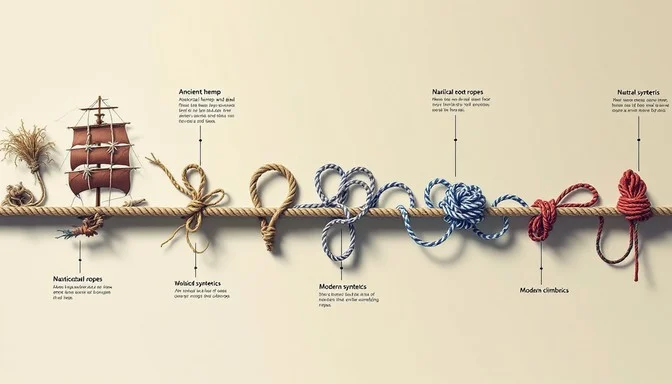
History of Rope (рд░рд╕реНрд╕реА) in Hindi is a fascinating journey, spanning thousands of years and touching every corner of human civilization. Rope, or *rassi* (рд░рд╕реНрд╕реА) in Hindi, is a simple yet essential tool made by twisting or braiding fibers to create a strong, flexible cord. Its development reflects humanityтАЩs ingenuity in using natural resources and advancing technology to meet practical needs. Below is an 800-word exploration of ropeтАЩs history, its origins, key developments, and the unknown тАЬfounderтАЭ of this ancient invention, blending Hindi and English terms as requested.


Ancient Beginnings: The First *Rassi*

The invention of rope predates written history, making it impossible to pinpoint a single *founder* or *vynakti* (рд╡реНрдпрдХреНрддрд┐). Archaeological evidence suggests rope-making began over 28,000 years ago during the Paleolithic period. Impressions of cordage found on fired clay in Pavlov I, Moravia, dating between 24,000 and 26,000 years ago, indicate early humans twisted plant fibers into *rassi*. Fossilized fragments of a two-ply *rassi* about 7 mm in diameter were discovered in Lascaux caves, dating to 15,000 BC. These early ropes were likely made from natural materials like grass, vines, or animal sinew, used for hunting, fishing, and building shelters. *Yeh pehli rassi* (рдпрд╣ рдкрд╣рд▓реА рд░рд╕реНрд╕реА) was a basic tool, yet it revolutionized early human survival by enabling tasks like dragging heavy loads or securing prey.


Around 4000тАУ3500 BC, the ancient Egyptians became the first civilization to develop specialized tools for rope-making, marking a significant milestone. They used fibers from water reeds, date palms, papyrus, and leather to craft *rassi* strong enough to move massive stones for pyramid construction. Wall paintings in Egyptian tombs depict a three-person rope-making process: one person held fibers, another twisted them using a tool, and a third ensured the *rassi* remained tight. This technique laid the foundation for rope-making worldwide. *Is prakriya ne rassi banane ki kala ko badhaya* (рдЗрд╕ рдкреНрд░рдХреНрд░рд┐рдпрд╛ рдиреЗ рд░рд╕реНрд╕реА рдмрдирд╛рдиреЗ рдХреА рдХрд▓рд╛ рдХреЛ рдмрдврд╝рд╛рдпрд╛).


History of Rope (рд░рд╕реНрд╕реА) in Hindi


Early Spread and Development (History of Rope (рд░рд╕реНрд╕реА) in Hindi)

By 2800 BC, rope-making spread to China, where hemp fibers were used to create *Manila rassi*, known for its durability. Hemp became a popular material across Asia, India, and Europe over the next few millennia. In India, rope-making thrived in coastal regions like Bharuch, Surat, and Cochin, where *jute*, *sal leaves*, and *coir* were used to produce *rassi* for shipping and trade. The game of *Tug of War* (*Thouri Chingnaba* in some Indian contexts) emerged around the 12th century AD in Odisha, reflecting ropeтАЩs cultural significance. *Yeh khel rassi ki majbooti ko darshata hai* (рдпрд╣ рдЦреЗрд▓ рд░рд╕реНрд╕реА рдХреА рдордЬрдмреВрддреА рдХреЛ рджрд░реНрд╢рд╛рддрд╛ рд╣реИ).


In ancient Greece and Rome, ropes made from hemp, flax, and wool supported seafaring, construction, and warfare. RopewalksтАФlong, narrow spaces where fibers were twisted into *rassi*тАФbecame common in Europe by the Middle Ages. These *ropewalks* were often placed outside cities due to fire risks, as seen at Chatham Dockyard in Kent, operational for over 400 years. *Rassi banane ka yeh tareeka traditional tha* (рд░рд╕реНрд╕реА рдмрдирд╛рдиреЗ рдХрд╛ рдпрд╣ рддрд░реАрдХрд╛ рдкрд╛рд░рдВрдкрд░рд┐рдХ рдерд╛).


Medieval to Early Modern Era

By the Middle Ages, ropes were integral to maritime exploration. *Jahaazon ki rassi* (рдЬрд╣рд╛рдЬреЛрдВ рдХреА рд░рд╕реНрд╕реА), made from Manila hemp, was prized for its strength in rigging sails and mooring ships. The Age of Sail (16thтАУ18th centuries) increased demand for stronger *rassi*. Natural fibers like cotton, jute, and sisal were widely used, but they shrank when wet, prompting innovation. Rope-making techniques became more refined, with *knots* and *splices* developed to enhance functionality. *Yeh knots rassi ko aur versatile banate the* (рдпреЗ рдиреЙрдЯреНрд╕ рд░рд╕реНрд╕реА рдХреЛ рдФрд░ рд╡рд░реНрд╕реЗрдЯрд╛рдЗрд▓ рдмрдирд╛рддреЗ рдереЗ).


The Industrial Revolution (late 18th century) transformed rope production. Mechanized *rassi* manufacturing replaced hand-twisting, enabling mass production. Wire ropes, made from steel alloys, emerged in the 19th century, revolutionizing industries like mining and construction. These *taar ki rassi* (рддрд╛рд░ рдХреА рд░рд╕реНрд╕реА) were stronger and more durable than natural fiber ropes, supporting heavier loads in industrial applications. *Is vikas ne rassi ki upyogita ko badha diya* (рдЗрд╕ рд╡рд┐рдХрд╛рд╕ рдиреЗ рд░рд╕реНрд╕реА рдХреА рдЙрдкрдпреЛрдЧрд┐рддрд╛ рдХреЛ рдмрдврд╝рд╛ рджрд┐рдпрд╛).


Modern Era and Synthetic *Rassi*

The 20th century brought synthetic fibers, a game-changer for rope-making. Nylon, discovered in the 1930s, was first used in ropes during World War II for parachute cords and glider tow ropes. *Nylon rassi* (рдирд╛рдпрд▓реЙрди рд░рд╕реНрд╕реА) offered superior strength and flexibility. By the 1950s, synthetic materials like polypropylene, polyester, and aramid (e.g., Kevlar) expanded rope applications. Polypropylene *rassi* floats on water and resists rot, making it ideal for boating. High-modulus polyethylene (e.g., Dyneema) and liquid crystal aromatic polyester further enhanced *rassi* strength for specialized uses like mountaineering and military operations. *Yeh naye materials ne rassi ko aur reliable banaya* (рдпреЗ рдирдП рдордЯреЗрд░рд┐рдпрд▓реНрд╕ рдиреЗ рд░рд╕реНрд╕реА рдХреЛ рдФрд░ рд░рд┐рд▓рд╛рдпрдмрд▓ рдмрдирд╛рдпрд╛).


Year-by-Year Development Highlights

– **28,000 years ago**: Earliest evidence of rope-making with plant fibers.

– **4000тАУ3500 BC**: Egyptians develop tools for *rassi* production.

– **2800 BC**: Hemp ropes introduced in China, spreading to Asia and Europe.

– **12th century AD**: Rope used in India for *Tug of War* and maritime activities.

– **16thтАУ18th centuries**: Ropewalks standardize production in Europe.

– **Late 18th century**: Industrial Revolution mechanizes *rassi* production.

– **1830s**: Wire ropes introduced for industrial applications.

– **1930sтАУ1940s**: Nylon ropes debut during World War II.

– **1950s**: Synthetic fibers like polypropylene and polyester revolutionize *rassi*.

– **1980sтАУ1990s**: High-strength fibers like Kevlar and Dyneema introduced.

– **21st century**: Advanced synthetics and smart ropes (e.g., for fitness tracking) emerge.


Cultural and Modern Significance

RopeтАЩs versatility extends beyond practical uses. In India, *rassi* is woven into cultural practices, from *Tug of War* rituals to decorative *rassi* in festivals. The тАЬIndian Rope Trick,тАЭ a legendary magic act, captivated Western audiences in the 19th century, though it was later debunked as a hoax. *Yeh trick ne rassi ko ek mystical image di* (рдпреЗ рдЯреНрд░рд┐рдХ рдиреЗ рд░рд╕реНрд╕реА рдХреЛ рдПрдХ рдорд┐рд╕реНрдЯрд┐рдХрд▓ рдЗрдореЗрдЬ рджреА).


Today, ropes are used in sports like rope skipping, popularized by Richard Cendali in the 1970s, and Double Dutch, which gained traction in urban America. Smart *rassi* systems, integrating sensors for fitness tracking, represent the latest innovation. *Rassi ab bhi hamari zindagi ka ek important hissa hai* (рд░рд╕реНрд╕реА рдЕрдм рднреА рд╣рдорд╛рд░реА рдЬрд┐рдВрджрдЧреА рдХрд╛ рдПрдХ рдорд╣рддреНрд╡рдкреВрд░реНрдг рд╣рд┐рд╕реНрд╕рд╛ рд╣реИ).


Conclusion

While no single *vynakti* can be credited as the founder of rope, its evolution reflects collective ingenuity across cultures. From prehistoric *rassi* made of vines to modern synthetic cords, rope has been a cornerstone of human progress. Its history is a testament to how a simple invention can shape industries, cultures, and daily life. *Rassi ki kahani innovation aur resilience ki kahani hai* (рд░рд╕реНрд╕реА рдХреА рдХрд╣рд╛рдиреА рдЗрдиреЛрд╡реЗрд╢рди рдФрд░ рд░реЗрдЬрд┐рд▓рд┐рдПрдВрд╕ рдХреА рдХрд╣рд╛рдиреА рд╣реИ).


History of Rope in hindi founder of Rope Rope history in hindi Rope kaise banayi rassi kaise bani Rope and rassi in hindi

Wire History and Founder

0
Wire History
Wire Founder

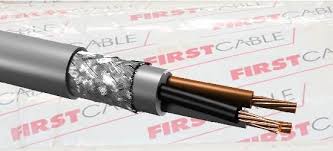
Wire History and Founder рддрд╛рд░, is a fundamental component in electrical and communication systems. Yeh ek thin, flexible strand of metal hai, jo electricity ya signals conduct karta hai. From powering homes to enabling telegraphs and modern internet, wires ne technology ko revolutionize kiya. Is article mein, weтАЩll cover the founder, first wire, history, aur year-by-year development with Hindi aur English mix, in around 800 words.

┬а

Origins of Wires: Shuruaat Kahan Se?

Wires ka concept goes back thousands of years. Ancient civilizations used metal strips for jewelry aur tools, but wires as we know themтАФthin, drawn metal for conducting electricityтАФemerged later. The word тАЬwireтАЭ comes from Old English wir, meaning metal drawn into a thread. Modern wires, usually made of copper or aluminum, are insulated for safety aur used in everything from power lines to telecom.

┬а

Wire History and Founder

┬а

Wire History and Founder

Wires donтАЩt have a single тАЬfounderтАЭ kyunki they evolved over centuries. However, Thomas Doolittle, an American engineer, is credited with developing the first practical copper wire for telegraphy in 1877. His process of drawing copper into thin, strong wires made telegraph and telephone systems scalable. Earlier, in the 1830s, Samuel Morse and others used basic wires for telegraphy, but these were crude. DoolittleтАЩs innovation was a game-changer for modern wiring.

┬а

First Wire

The first true electrical wire, used for telegraphy, appeared in the 1830s during Samuel MorseтАЩs telegraph experiments. These were simple copper or iron wires, often uninsulated, used to carry electrical signals over long distances. By 1837, MorseтАЩs telegraph system used wires to send messages, marking the first practical use. These wires were thick, prone to breaking, aur lacked proper insulation, lekin they laid the foundation for modern communication.

┬а

History and Year-by-Year Development

Ancient Times: Early Wires

  • 3000 BCE: Egyptians used drawn gold wires for jewelry, one of the earliest forms of wire-making.
  • 500 BCE: Greeks and Romans used wire-like metal strips for decorative purposes, not for electricity.

1800-1830s: Birth of Electrical Wires

  • 1800: Alessandro Volta invented the battery, showing electricity could flow through metal wires, sparking interest in conductive wires.
  • 1831: Michael Faraday discovered electromagnetic induction, proving wires could carry current for practical use.
  • 1837: Samuel Morse and Alfred Vail used copper wires in their telegraph system, the first major application of electrical wires.

1840s-1860s: Telegraph aur Expansion

  • 1844: MorseтАЩs telegraph line between Washington, D.C., and Baltimore used insulated copper wires, connecting cities.
  • 1861: The first transcontinental telegraph in the U.S. used iron and copper wires, stretching across thousands of miles.

1870s: Copper Wires aur Telephony

  • 1876: Alexander Graham Bell invented the telephone, using copper wires to transmit voice signals.
  • 1877: Thomas Doolittle developed a process to draw hard copper into thin, flexible wires, making telegraph and telephone networks more efficient.

1880s: Electricity aur Insulation

  • 1882: Thomas Edison opened the first commercial power plant in London, using copper wires to distribute electricity. Insulation with rubber or cloth became common.
  • 1889: Insulated wires were standardized for safety, reducing shocks aur fires in homes and industries.

1900s-1920s: Mass Production

  • 1900s: Aluminum wires were introduced as a cheaper alternative to copper, used in power lines.
  • 1920s: PVC insulation was developed, making wires safer aur more durable. India mein, small-scale wire manufacturing started in cities like Kolkata.

1930s-1950s: Industrial Growth

  • 1935: Coaxial cables, wires with a central conductor surrounded by a shield, were invented for better signal transmission in radios and TVs.
  • 1950s: IndiaтАЩs wire industry grew with companies like Finolex (founded 1958) producing cables for power and telecom. Copper wires were key in IndiaтАЩs electrification.

1960s-1980s: Telecom aur Fiber Optics

  • 1966: Charles Kao proposed fiber optic wires, using glass to transmit light signals, revolutionizing telecom.
  • 1970s: Fiber optic wires were commercially used, offering faster data transmission than copper.
  • 1980s: India mein, BSNL and private companies expanded telephone networks using copper wires, while fiber optics started emerging.

1990s: Internet aur Modern Wires

  • 1990s: Ethernet cables (like Cat5) became standard for internet connectivity, using twisted pair copper wires.
  • 1998: IndiaтАЩs internet boom increased demand for wiring infrastructure. Companies like Havells (founded 1983) grew in the wire market.

2000s: Smart Wires aur Efficiency

  • 2000s: Smart wires with sensors were developed for monitoring power grids. IndiaтАЩs Smart Grid Mission (launched 2015) used these for efficient electricity distribution.
  • 2008: Superconducting wires, which conduct electricity with zero resistance, were tested for high-efficiency power lines.

2010s: Fiber Optics aur Renewable Energy

  • 2010s: Fiber optic wires dominated telecom, with IndiaтАЩs Jio (launched 2016) using them for 4G networks.
  • 2015: IndiaтАЩs wire industry grew with renewable energy projects, using high-capacity wires for solar and wind farms.

2020s: 5G aur Beyond

  • 2020: 5G networks increased demand for fiber optic and coaxial wires for faster data transfer.
  • 2024: IndiaтАЩs BharatNet project expanded rural internet using fiber optic wires, connecting millions of villages.
  • 2025: Wires remain critical in AI data centers, 5G towers, aur electric vehicle charging stations. IndiaтАЩs wire market is valued at over тВ╣60,000 crore, driven by brands like Polycab and RR Kabel.

┬а

Wire Ka Cultural Impact

In India, wires, ya рддрд╛рд░, are everywhereтАФbijli ke taar in homes, telephone ke taar in old PCO booths, aur fiber optic taar for internet. In villages, loose wires hanging from poles are a common sight, symbolizing IndiaтАЩs electrification journey. Bollywood films show heroes cutting wires to defuse bombs or villains tapping telephone ke taar for spying. Wires also appear in festivals, like patang ke taar during Makar Sankranti, though thatтАЩs a different kind of wire.

India mein, wire manufacturing is a huge industry. Companies like Finolex, Havells, aur Polycab produce everything from house wiring to industrial cables. Sivakasi makes specialized wires for firecrackers, blending tradition with technology. Wires are also a safety concernтАФkhule taar cause accidents, lekin campaigns like Ujjwala Yojana ensure safer wiring in homes.

┬а

Wi-Fi and SIM in Wires

Wires donтАЩt directly use Wi-Fi or SIM cards, lekin they support these technologies:

  • Wi-Fi: Ethernet cables (copper twisted pair wires) connect routers to modems for Wi-Fi networks. Fiber optic wires carry high-speed internet to Wi-Fi towers.
  • SIM Cards: Mobile networks rely on fiber optic and copper wires for backhaul, connecting cell towers to the internet. SIM cards in phones communicate via these wired networks.

┬а

Conclusion

Wires, from Samuel MorseтАЩs 1830s telegraph to modern fiber optics, have powered the worldтАЩs progress. Thomas DoolittleтАЩs copper wires made communication scalable, while IndiaтАЩs wire industry supports everything from bijli to 5G. Wires are the unsung heroes behind internet, power, aur telecom. In India, theyтАЩre a symbol of developmentтАФgaaon se lekar sheher tak. As technology evolves, wires will keep connecting our world, quietly but powerfully.


Wire History and Founder Wire History in hindi Wire Founder in hindi Wire kaise bane Wire in hindi Wire kisne banayi taar history

1st Pager Founder and History

0
Pager Founder
Pager History

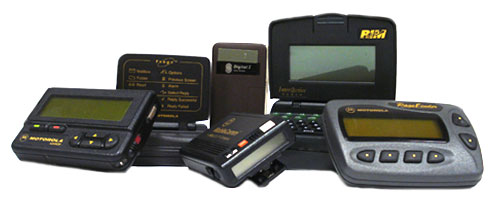
1st Pager Founder and History, yaani рдмрд┐рдкрд░ or рдмреНрд▓рд┐рдкрд░, ek wireless device hai jo short messages ya alerts receive karta hai. It was a game-changer in communication, especially jab mobile phones nahi the. Aaj bhi, pagers are used in hospitals, emergency services, aur some industries for their reliability. Is article mein, weтАЩll cover the founder, first pager, year-by-year development, aur Wi-Fi/SIM card integration, with Hindi aur English mix, in around 800 words.

┬а

Origins of Pagers: Shuruaat Kahan Se Hui?

Pagers ka concept started in the early 20th century. ItтАЩs a small device that beeps, vibrates, ya displays messages. Unlike mobile phones, pagers are mostly one-way, lekin some two-way models bhi aaye later. The word тАЬpagerтАЭ comes from тАЬpage,тАЭ meaning to call someone. Ye device professionals, doctors, aur even drug dealers ke liye popular tha in the 1990s, especially in India, jahan it was a status symbol.

┬а

1st Pager Founder and History

┬а

1st Pager Founder and History

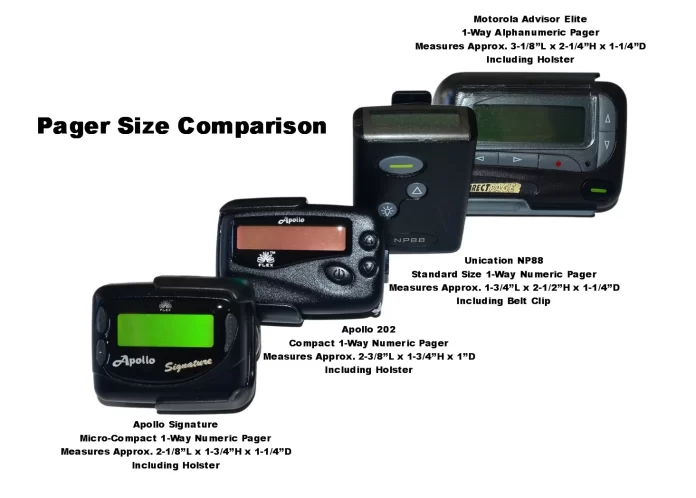
The pager ka credit Al Gross ko jata hai, an American inventor and wireless communication pioneer. In 1949, Gross patented a device that worked like a pager, designed for doctors to receive alerts without disturbing patients. His invention was first used by New York CityтАЩs Jewish Hospital in 1950. Lekin, the earliest pager-like system was developed in 1921 by a Boston patrolman and an engineering student for the Boston Police Department, fitted in patrol cars by 1928. Al GrossтАЩs work, however, made pagers portable aur practical for widespread use. Later, Motorola became the dominant player, capturing 80% of the market by the 1990s.

┬а

First Pager

The first true pager, as we know it, was Al GrossтАЩs 1949 device, a portable radio receiver that beeped or displayed messages. It was bulky compared to modern standards, lekin revolutionary tha for its time. By 1950, it was adopted in hospitals, marking the first commercial use. These early pagers were tone-only, meaning they only beeped to alert users to call a specific number.

┬а

Year-by-Year Development of Pagers

1921-1928: Pehla Pager System

  • 1921-1927: A Boston patrolman aur engineering student developed a one-way radio system for police cars, considered the first pager-like system.
  • 1928: This system was installed in patrol cars, allowing officers to receive alerts.

1949-1950: Modern Pager Ka Birth

  • 1949: Al Gross patented the first portable pager, designed for medical professionals.
  • 1950: New YorkтАЩs Jewish Hospital adopted GrossтАЩs pager, making it the first commercial use.

1960s: Tone aur Voice Pagers

  • 1960s: Motorola introduced tone-only pagers (beepers) that alerted users with a sound. Some models added voice pagers, allowing short audio messages. Ye hospital staff ke liye kaafi useful tha.

1970s: Sophisticated Devices

  • 1970s: Motorola launched single-tone, multi-tone, aur voice-enabled pagers. These were widely used in healthcare for critical communication. Pagers became smaller aur battery life improved.

1980s: Wide-Area Paging aur Popularity

  • 1980: Wide-area paging networks were introduced, allowing messages to be sent across cities or countries via radio waves. This made pagers a status symbol, especially in India.
  • 1980s: Pagers gained popularity in India, with companies like Motorola, Mobilink, aur BPL leading the market. They were seen as a sign of тАЬbusiness success.тАЭ

1990s: Peak of Pagers

  • 1994: Pagers became popular for personal use, especially for texting short messages. Alphanumeric pagers could display numbers aur text, making them versatile.
  • 1995: India mein pager services launched officially. Motorola held 80% market share, with 200,000 subscribers by year-end. Pagers were offered in Hindi aur Gujarati to reach small businesses.
  • 1998: IndiaтАЩs pager market peaked with nearly 2 million subscribers, lekin mobile phones started taking over.

2000s: Decline aur Niche Use

  • 2001: Motorola stopped producing pagers as mobile phones became dominant. Pagers shifted to healthcare aur emergency services due to their reliability.
  • 2002: IndiaтАЩs pager subscribers dropped to less than 500,000 due to mobile phone competition. Two-way pagers couldnтАЩt save the market.
  • 2008: The U.S. paging industry generated $2.1 billion, down from $6.2 billion in 2003, showing a global decline.
  • 2013: Canada had 161,500 pager users paying $18.5 million for services. India was close to a тАЬtotal wipe-outтАЭ of the paging industry.

2010s: Healthcare aur Critical Comms

  • 2015: Telus ended CanadaтАЩs pager service, but Bell and Rogers continued. In the UK, the NHS used 10% of the worldтАЩs pagers (130,000) at a cost of ┬г6.6 million annually.
  • 2017: Pager, Inc. (founded by Gaspard de Dreuzy, Philip Eytan, aur Oscar Salazar in 2014) launched a virtual care app, not a traditional pager, showing the evolution of the term тАЬpager.тАЭ
  • 2019: The UK planned to phase out NHS pagers by 2021, lekin many hospitals still relied on them for secure communication.

2020s: Pagers in Modern Times

  • 2021: Around 2 million pagers were still in use globally, mainly in healthcare, emergency services, aur birdwatching communities for reliable alerts.
  • 2024: Pagers gained attention after a Hezbollah attack in Lebanon, where Israel detonated pagers, showing their continued use in secure communications.
  • 2025: Pagers remain niche but critical in hospitals, search and rescue, aur disaster response due to their reliability over cellular networks.

┬а

Wi-Fi and SIM in Pagers

Traditional pagers use VHF radio signals (138-466 MHz), not Wi-Fi or SIM cards, for long-range, reliable communication. Lekin, modern paging systems have evolved:

  • Wi-Fi: Some on-site paging systems, like those by Visiplex, use Wi-Fi for in-building communication, especially in hospitals. These systems are hardwired to the infrastructure, offering secure mass messaging without relying on cellular networks. Wi-Fi pagers are limited to specific locations, unlike radio-based pagers.
  • SIM Cards: Pagers donтАЩt typically use SIM cards, as they rely on radio frequencies. However, some two-way pagers in the 1990s used proprietary networks that mimicked SIM-like functionality for sending replies. Modern devices like Pager, Inc.тАЩs app use SIM cards in smartphones for virtual care, but these arenтАЩt traditional pagers.

    PagersтАЩ strength is their simplicityтАФno need for Wi-Fi or SIM in most cases, making them reliable in remote areas or during disasters when cellular networks fail.

┬а

Pager Ka Cultural Impact

In India, pagers were a status symbol in the 1990s, especially for businessmen. Motorola aur BPL ke pagers were seen on belts or in pockets, showing тАЬmain busy hoon.тАЭ They were used for quick alerts, like тАЬcall me backтАЭ ya numeric codes for pre-set messages. Hindi aur regional language displays made them accessible to small businesses in Gujarat aur other states.
Pagers also featured in pop culture, with Bollywood films showing heroes getting urgent тАЬbeeps.тАЭ Lekin, jab mobile phones aaye, pagers ka craze khatam ho gaya. Today, hospitals mein pagers are still used kyunki theyтАЩre secure, reliable, aur battery life is amazingтАФsometimes lasting weeks

┬а

Conclusion


Pagers, from Al GrossтАЩs 1949 invention to IndiaтАЩs 1990s boom, transformed communication. Despite mobile phones taking over, pagers remain critical in healthcare aur emergencies for their reliability. Wi-Fi-based systems have modernized on-site paging, lekin traditional radio pagers donтАЩt need SIM cards, making them unique. In India, pagers were once a desi status symbol, aur their legacy lives on in hospitals aur niche communities. Will they survive the smartphone era? Only time will tell.

┬а

┬а

1st Pager Founder and History 1st Pager Founder 1st Pager History Pager History in hindi Pager Founder in hindi Pager kaise bana Pager in hindi

Matchbox History and Founder

0
Matchbox Founder
Matchbox History

Matchbox History and Founder, yaani рджрд┐рдпрд╛рд╕рд▓рд╛рдИ рдХреА рдбрд┐рдмреНрдмреА, is a small but revolutionary invention that brought fire into our pockets. It changed how we light fires, cook, aur even celebrate with fireworks. LetтАЩs dive into the history, founder, first matchbox, aur year-by-year development with a mix of Hindi and English words, covering 800 words as requested.

Origins of Matches: Ancient Se Aur Modern Tak

The concept of matches goes way back, almost 5,000 years. Ancient Egyptians used pine wood sticks dipped in sulfur to create a primitive match-like tool. Lekin, these were not self-igniting; they needed an existing flame. Fast forward to the 19th century, jab modern matches ka invention hua. The matchbox, as we know it, is a small box ya рдбрд┐рдмреНрдмреА holding wooden sticks with a chemical-coated head that ignites with friction. The word “match” comes from Old French m├иche, meaning candle wick.

┬а

Matchbox History and Founder

┬а

Founder of the Modern Match (Matchbox History and Founder)

The first successful friction match was invented by John Walker, an English chemist from Stockton-on-Tees, in 1826. He wasnтАЩt trying to create a matchbox initially; he was experimenting with chemicals. Ek din, while mixing chemicals, a stick dipped in his mixture accidentally caught fire when rubbed against the hearth. Walker realized iska potential and developed wooden splints coated with sulfur, tipped with a mixture of antimony sulfide, potassium chlorate, aur gum. These were the first friction matches, called “friction lights.” He started selling them in 1827, but his matches were dangerous, often causing small explosions or bad smells.

Walker didnтАЩt patent his invention, so others improved on it. In 1836, Hungarian student J├бnos Irinyi created a safer, noiseless match by replacing potassium chlorate with lead dioxide, making matches smoother aur less explosive. Then, in 1844, Gustaf Erik Pasch from Sweden introduced the safety match, which only ignited on a special striking surface with red phosphorus. This made matches safer aur widely used.

┬а

First Matchbox: The Birth of a Brand

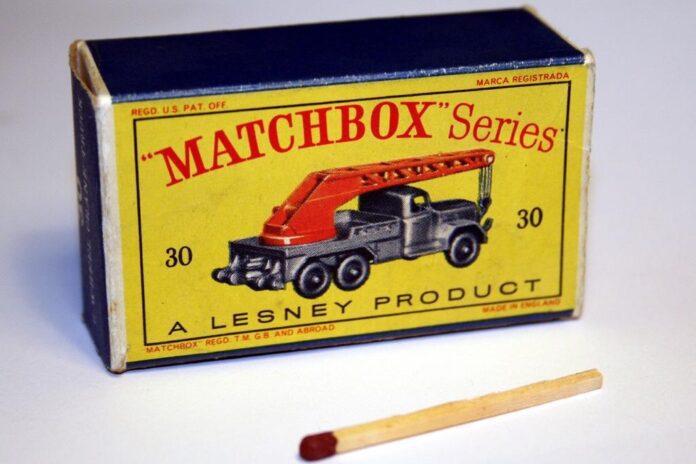
The term “matchbox” became famous with the Matchbox toy brand, started by Lesney Products in 1953 in England. Lekin, if we talk about fire matches, the first matchbox as a container was developed around the 1830s, when matches started being sold in small wooden or cardboard boxes. These boxes were simple, often just labeled with the manufacturerтАЩs name aur production date. The modern matchbox, with colorful designs aur branding, evolved later in the 20th century, especially in India.

In India, matchboxes were first imported from Japan and Sweden before 1910, when local production began in Kolkata with skills learned from Japanese immigrants. P. Ayya Nadar aur A. Shanmughan Nadar were pioneers who took matchbox manufacturing to Sivakasi, Tamil Nadu, in 1927, making it IndiaтАЩs matchbox hub.

┬а

рдХреНрдпрд╛рдЖрдкрдХреЛ рдкрддрд╛ рд╣реИ рдХрд┐ рд░рд╕реЛрдИ рдореЗрдВ рдЗрд╕реНрддреЗрдорд╛рд▓ рд╣реЛрдиреЗ рд╡рд╛рд▓реА рдЫреЛрдЯреА-рд╕реА рдорд╛рдЪрд┐рд╕ рдХрд╛ рдЗрддрд┐рд╣рд╛рд╕ 195 рд╕рд╛рд▓ рдкреБрд░рд╛рдирд╛ рд╣реИ? рднрд╛рд░рдд рдореЗрдВ рдорд╛рдЪрд┐рд╕ рдХреЗ рдирд┐рд░реНрдорд╛рдг рдХреА рд╢реБрд░реБрдЖрдд рд╕рд╛рд▓ 1895 рд╕реЗ рд╣реБрдИ рдереА. рдЗрд╕рдХреА рдкрд╣рд▓реА рдлреИрдХреНрдЯреНрд░реА рдЕрд╣рдорджрд╛рдмрд╛рдж рдореЗрдВ рдФрд░ рдлрд┐рд░ рдХрд▓рдХрддреНрддрд╛ (рдЕрдм рдХреЛрд▓рдХрд╛рддрд╛) рдореЗрдВ рдЦреБрд▓реА рдереА. рд▓реЗрдХрд┐рди, рджреБрдирд┐рдпрд╛ рдореЗрдВ рд╕рдмрд╕реЗ рдкрд╣рд▓реЗ рдорд╛рдЪрд┐рд╕ рдХрд╛ рдЖрд╡рд┐рд╖реНрдХрд╛рд░ рдмреНрд░рд┐рдЯреЗрди рдореЗрдВ 31 рджрд┐рд╕рдВрдмрд░ 1827 рдореЗрдВ рд╣реБрдЖ рдерд╛. рдЗрд╕рдХреЗ рдЖрд╡рд┐рд╖реНрдХрд╛рд░ рдереЗ рдмреНрд░рд┐рдЯреЗрди рдХреЗ рд╡реИрдЬреНрдЮрд╛рдирд┐рдХ рдЬреЙрди рд╡реЙрдХрд░. рд╕рд╛рд▓ 1827 рдореЗрдВ рдЙрдиреНрд╣реЛрдВрдиреЗ рдорд╛рдЪрд┐рд╕ рдмрдирд╛рдпрд╛ рдерд╛. рд▓реЗрдХрд┐рди рдЙрдирдХреЗ рджреНрд╡рд╛рд░рд╛ рдмрдирд╛рдИ рдЧрдпреА рдорд╛рдЪрд┐рд╕ рдЬреНрдпрд╛рджрд╛ рд╕реБрд░рдХреНрд╖рд┐рдд рдирд╣реАрдВ рдереА.┬а

рдХреНрдпреЛрдВрдХрд┐ рдЙрдирдХреЗ рджреНрд╡рд╛рд░рд╛ рдмрдирд╛рдИ рдЧрдИ рдорд╛рдЪрд┐рд╕ рдХреА рддреАрд▓реА рдРрд╕реА рдмрдиреА рдереА, рдЬреЛ рдХрд┐рд╕реА рднреА рдЦреБрд░рджрд░реА рдЬрдЧрд╣ рдкрд░ рд░рдЧрдбрд╝рдиреЗ рд╕реЗ рдЬрд▓ рдЬрд╛рддреА рдереА. рджрд░рдЕрд╕рд▓, рдорд╛рдЪрд┐рд╕ рдХреА рддреАрд▓реА рдкрд░ рд╕рдмрд╕реЗ рдкрд╣рд▓реЗ рдПрдВрдЯрд┐рдордиреА рд╕рд▓реНрдлрд╛рдЗрдб, рдкреЛрдЯрд╛рд╕рд┐рдпрдо рдХреНрд▓реЛрд░реЗрдЯ рдФрд░ рд╕реНрдЯрд╛рд░реНрдЪ рдХрд╛ рдЗрд╕реНрддреЗрдорд╛рд▓ рдХрд┐рдпрд╛ рдЧрдпрд╛ рдерд╛. рд░рдЧрдбрд╝рдиреЗ рдХреЗ рд▓рд┐рдП рд░реЗрдЧрдорд╛рд▓ рд▓рд┐рдпрд╛ рдЧрдпрд╛. рдирддреАрдЬрд╛ рдпреЗ рд╣реБрдЖ рдХрд┐ рдорд╛рдЪрд┐рд╕ рдХреА рддреАрд▓реА рдЬреИрд╕реЗ рд╣реА рд░реЗрдЧрдорд╛рд▓ рдкрд░ рд░рдЧрдбрд╝реА рдЬрд╛рддреА, рдЫреЛрдЯрд╛ рд╡рд┐рд╕реНрдлреЛрдЯ рд╣реЛрддрд╛ рдЬреЛ рдЗрд╕реНрддреЗрдорд╛рд▓ рдХреЗ рд▓рд┐рд╣рд╛рдЬрд╝ рд╕реЗ рд╕реБрд░рдХреНрд╖рд┐рдд рдирд╣реАрдВ рдереА. рдЗрд╕рдХреЗ рдмрд╛рдж, рдорд╛рдЪрд┐рд╕ рдХреЛ рд▓реЗрдХрд░ рдХрдИ рдкреНрд░рдпреЛрдЧ рдХрд┐рдП рдЧрдП.┬а

1832 рдореЗрдВ рдмрджрд▓рд╛ рдорд╛рдЪрд┐рд╕ рдХрд╛ рд░реВрдк рд╕рд╛рд▓ 1832 рдореЗрдВ рдлреНрд░рд╛рдВрд╕ рдореЗрдВ рдПрдВрдЯрд┐рдордиреА рд╕рд▓реНрдлрд╛рдЗрдб рдХреА рдЬрдЧрд╣ рдорд╛рдЪрд┐рд╕ рдХреА рддреАрд▓реА рдкрд░ рдлреЙрд╕реНрдлреЛрд░рд╕ рдХрд╛ рдЗрд╕реНрддреЗрдорд╛рд▓ рдХрд┐рдпрд╛ рдЧрдпрд╛. рдлреЙрд╕реНрдлреЛрд░рд╕ рдЕрддреНрдпрдВрдд рд╣реА рдЬреНрд╡рд▓рдирд╢реАрд▓ рд░рд╛рд╕рд╛рдпрдирд┐рдХ рддрддреНрд╡ рд╣реЛрддрд╛ рд╣реИ. рдкрд╣рд▓реЗ рд╕рдлреЗрдж рдлреЙрд╕реНрдлреЛрд░рд╕ рдХрд╛ рдЗрд╕реНрддреЗрдорд╛рд▓ рдХрд┐рдпрд╛ рдЧрдпрд╛, рдЬрд┐рд╕рд╕реЗ рдЧрдВрдз рдХреА рд╕рдорд╕реНрдпрд╛ рдХрд╛ рддреЛ рд╕рдорд╛рдзрд╛рди рд╣реЛ рдЧрдпрд╛ рдерд╛. рд▓реЗрдХрд┐рди рдЬрд▓рддреЗ рд╡рдХреНрдд рдирд┐рдХрд▓реЗ рд╡рд╛рд▓рд╛ рдзреБрдЖрдВ рднреА рдХрд╛рдлреА рд╡рд┐рд╖реИрд▓рд╛ рд╣реЛрддрд╛ рдерд╛. рдЗрд╕рд╕реЗ рдмрд╛рдж рдореЗрдВ рд╕рдлреЗрдж рдлреЙрд╕реНрдлреЛрд░рд╕ рдХреЗ рдЗрд╕реНрддреЗрдорд╛рд▓ рдкрд░ рдмреИрди рд▓рдЧрд╛ рджрд┐рдпрд╛ рдерд╛. рд╕рдлрд╝реЗрдж рдлреЛрд╕реНрдлреЛрд░рд╕ рдордиреБрд╖реНрдп рдХреЗ рд╕реНрд╡рд╛рд╕реНрдереНрдп рдХреЗ рд▓рд┐рдП рдмрдбрд╝рд╛ рд╣реА рд╣рд╛рдирд┐рдХрд╛рд░рдХ рд╣реЛрддрд╛ рд╣реИ.┬а

рд╕рдлреЗрдж рдлрд╛рд╕реНрдлреЛрд░рд╕ рдХреЗ рдЧрдВрднреАрд░ рдкреНрд░рднрд╛рд╡реЛрдВ рдХреЗ рдХрд╛рд░рдг рдХрдИ рджреЗрд╢реЛрдВ рдиреЗ рдЗрд╕рдХреЗ рдЙрдкрдпреЛрдЧ рдкрд░ рдкреНрд░рддрд┐рдмрдВрдз рд▓рдЧрд╛ рджрд┐рдпрд╛. рдлрд╝рд┐рдирд▓реИрдВрдб рдиреЗ 1872 рдореЗрдВ рд╕рдлреЗрдж рдлрд╛рд╕реНрдлреЛрд░рд╕ рдХреЗ рдЙрдкрдпреЛрдЧ рдкрд░ рдкреНрд░рддрд┐рдмрдВрдз рд▓рдЧрд╛ рджрд┐рдпрд╛, рдЙрд╕рдХреЗ рдмрд╛рдж 1874 рдореЗрдВ рдбреЗрдирдорд╛рд░реНрдХ, 1897 рдореЗрдВ рдлреНрд░рд╛рдВрд╕, 1898 рдореЗрдВ рд╕реНрд╡рд┐рдЯреНрдЬрд░рд▓реИрдВрдб рдФрд░ 1901 рдореЗрдВ рдиреАрджрд░рд▓реИрдВрдб рдореЗрдВ. рдПрдХ рд╕рдордЭреМрддрд╛, рдмрд░реНрди рдХрдиреНрд╡реЗрдВрд╢рди, рд╕рд┐рддрдВрдмрд░ 1906 рдореЗрдВ рдмрд░реНрди, рд╕реНрд╡рд┐рдЯреНрдЬрд░рд▓реИрдВрдб рдореЗрдВ рд╣реБрдЖ рдерд╛ рдЬрд┐рд╕рдиреЗ рдорд╛рдЪрд┐рд╕ рдореЗрдВ рд╕рдлреЗрдж рдлрд╛рд╕реНрдлреЛрд░рд╕ рдХреЗ рдЙрдкрдпреЛрдЧ рдкрд░ рдкреНрд░рддрд┐рдмрдВрдз рд▓рдЧрд╛ рджрд┐рдпрд╛. ‘рд╕реЗрдлреНрдЯреА рдореИрдЪ’ рдХрд╛ рдЖрд╡рд┐рд╖реНрдХрд╛рд░ рдорд╛рдЪрд┐рд╕ рдХреЗ рдирд┐рд░реНрдорд╛рдг рдореЗрдВ рд╕рдлреЗрдж рдлрд╛рд╕реНрдлреЛрд░рд╕ рдХреЗ рдЦрддрд░реЛрдВ рдХреЗ рдХрд╛рд░рдг “рд╕реНрд╡рдЪреНрдЫ” рдпрд╛ “рд╕реБрд░рдХреНрд╖рд╛ рдореИрдЪ” рдХрд╛ рд╡рд┐рдХрд╛рд╕ рд╣реБрдЖ.┬а

рдлрд╛рд╕реНрдлреЛрд░рд╕ рдХрд╛ рдпреМрдЧрд┐рдХ рд░реВрдк ‘рдлреЙрд╕реНрдлреЛрд░рд╕ рд╕реЗрд╕реНрдХреНрдпреВрд╕рд▓реНрдлрд╛рдЗрдб’ рдХрд╛ рдорд╛рдЪрд┐рд╕ рдмрдирд╛рдиреЗ рдореЗрдВ рдЗрд╕реНрддреЗрдорд╛рд▓ рдХрд┐рдпрд╛ рдЬрд╛рдиреЗ рд▓рдЧрд╛, рдЬреЛ рдордиреБрд╖реНрдп рдХреЗ рд▓рд┐рдП рд╣рд╛рдирд┐рд░рд╣рд┐рдд рдерд╛. рдмреНрд░рд┐рдЯрд┐рд╢ рдХрдВрдкрдиреА рдЕрд▓рдмреНрд░рд╛рдЗрдЯ рдПрдВрдб рд╡рд┐рд▓реНрд╕рди рд╡реНрдпрд╛рд╡рд╕рд╛рдпрд┐рдХ рд░реВрдк рд╕реЗ ‘рдлреЙрд╕реНрдлреЛрд░рд╕ рд╕реЗрд╕реНрдХреНрдпреВрд╕рд▓реНрдлрд╛рдЗрдб’ рдорд╛рдЪреАрд╕ рдХрд╛ рдЙрддреНрдкрд╛рджрди рдХрд░рдиреЗ рд╡рд╛рд▓реА рдкрд╣рд▓реА рдХрдВрдкрдиреА рдереА. рдХрдВрдкрдиреА рдиреЗ 1899 рдореЗрдВ ‘рдлреЙрд╕реНрдлреЛрд░рд╕ рд╕реЗрд╕реНрдХреНрдпреВрд╕рд▓реНрдлрд╛рдЗрдб’ рдХреА рд╡реНрдпрд╛рд╡рд╕рд╛рдпрд┐рдХ рдорд╛рддреНрд░рд╛ рдмрдирд╛рдиреЗ рдХрд╛ рдПрдХ рд╕реБрд░рдХреНрд╖рд┐рдд рд╕рд╛рдзрди рд╡рд┐рдХрд╕рд┐рдд рдХрд┐рдпрд╛ рдФрд░ рдЗрд╕реЗ рдмреЗрдЪрдирд╛ рд╢реБрд░реВ рдХрд┐рдпрд╛. рд╕реНрд╡реАрдбрди рдХреЗ рдЬреЛрд╣рд╛рди рдПрдбрд╡рд░реНрдб рдФрд░ рдЙрдирдХреЗ рднрд╛рдИ рдХрд╛рд░реНрд▓ рдлреНрд░реИрдВрд╕ рд▓реБрдВрдбрд╕реНрдЯреНрд░реЙрдо рдиреЗ 1847 рдХреЗ рдЖрд╕рдкрд╛рд╕ рдЬреЛрдВрдХреЛрдкрд┐рдВрдЧ, рд╕реНрд╡реАрдбрди рдореЗрдВ рдмрдбрд╝реЗ рдкреИрдорд╛рдиреЗ рдкрд░ рдореИрдЪ рдЙрджреНрдпреЛрдЧ рд╢реБрд░реВ рдХрд┐рдпрд╛.┬а

рдкреНрд░рдпреЛрдЧ рдХрд░рдиреЗ рдпреЛрдЧреНрдп 1858 рдореЗрдВ рдЙрдирдХреА рдХрдВрдкрдиреА рдиреЗ рд▓рдЧрднрдЧ 12 рдорд┐рд▓рд┐рдпрди рдорд╛рдЪрд┐рд╕ рдХреА рдбрд┐рдмреНрдмрд┐рдпреЛрдВ рдХрд╛ рдЙрддреНрдкрд╛рджрди рдХрд┐рдпрд╛. рдХрд┐рди рдЪреАрдЬреЛрдВ рд╕реЗ рдмрдирддреА рд╣реИ рдорд╛рдЪреАрд╕ рдмрддрд╛ рджреЗрдВ, рдЗрддрдиреА рдЫреЛрдЯреА рд╕реЗ рдорд╛рдЪрд┐рд╕ рдХреА рдбрдмреНрдмреА рдХреЛ рдмрдирд╛рдиреЗ рдореЗрдВ 14 рдХрдЪреНрдЪреЗ рдорд╛рд▓ рдХреА рдЬрд░реВрд░рдд рд╣реЛрддреА рд╣реИ. рдЬрд┐рд╕рдореЗрдВ рд▓рд╛рд▓ рдлрд╛рд╕реНрдлреЛрд░рд╕, рдореЛрдо, рдХрд╛рдЧрдЬ, рд╕реНрдкреНрд▓рд┐рдВрдЯреНрд╕, рдкреЛрдЯреЗрд╢рд┐рдпрдо рдХреНрд▓реЛрд░реЗрдЯ рдФрд░ рд╕рд▓реНрдлрд░ рдХрд╛ рдореБрдЦреНрдп рд░реВрдк рд╕реЗ рдЗрд╕реНрддреЗрдорд╛рд▓ рд╣реЛрддрд╛ рд╣реИ рдЗрд╕рдХреЗ рдЕрд▓рд╛рд╡рд╛ рдорд╛рдЪрд┐рд╕ рдХреА рдбрд┐рдмреНрдмреА рджреЛ рддрд░рд╣ рдХреЗ рдмреЛрд░реНрдб рд╕реЗ рдмрдирддреЗ рд╣реИрдВ. рдмрд╛рд╣рд░реА рдмреЙрдХреНрд╕ рдмреЛрд░реНрдб рдФрд░ рднреАрддрд░реА рдмреЙрдХреНрд╕ рдмреЛрд░реНрдб. рд╡рд╣реАрдБ, рдорд╛рдЪрд┐рд╕ рдХреА рддреАрд▓реА рдХрдИ рддрд░рд╣ рдХреА рд▓рдХрдбрд╝рд┐рдпреЛрдВ рд╕реЗ рдмрдирд╛рдИ рдЬрд╛рддреА рд╣реИрдВ. рд╕рдмрд╕реЗ рдЕрдЪреНрдЫреА рдорд╛рдЪрд┐рд╕ рдХреА рддреАрд▓реА рдЕрдлреНрд░реАрдХрди рдмреНрд▓реИрдХрд╡реБрдб рд╕реЗ рдмрдирддреА рд╣реИ.┬а

рдкрд╛рдкреНрд▓рд░ рдирд╛рдо рдХреЗ рдкреЗрдбрд╝ рдХреА рд▓рдХрдбрд╝реА рднреА рдорд╛рдЪрд┐рд╕ рдХреА рддреАрд▓реА рдмрдирд╛рдиреЗ рдХреЗ рд▓рд┐рдП рдХрд╛рдлреА рдЕрдЪреНрдЫреА рдорд╛рдиреА рдЬрд╛рддреА рд╣реИ. рднрд╛рд░рдд рдореЗрдВ рдорд╛рдЪреАрд╕ рдХрдм рдЖрдпрд╛ рднрд╛рд░рдд рдореЗрдВ рдорд╛рдЪрд┐рд╕ рд╕реНрд╡реАрдбрди рдФрд░ рдЬрд╛рдкрд╛рди рд╕реЗ рдирд┐рд░реНрдпрд╛рдд рдХрд┐рдП рдЬрд╛рддреЗ рдереЗ. рд╕рд╛рд▓ 1910 рдХреЗ рдЖрд╕рдкрд╛рд╕ рдПрдХ рдЬрд╛рдкрд╛рдиреА рдкрд░рд┐рд╡рд╛рд░ рдХрд▓рдХрддреНрддрд╛ (рдЕрдм рдХреЛрд▓рдХрд╛рддрд╛) рдореЗрдВ рдЖрдХрд░ рдмрд╕ рдЧрдпрд╛ рдФрд░ рдЙрдиреНрд╣реЛрдВрдиреЗ рджреЗрд╢ рдореЗрдВ рдорд╛рдЪрд┐рд╕ рдХрд╛ рдирд┐рд░реНрдорд╛рдг рд╢реБрд░реВ рдХрд┐рдпрд╛. рджреЗрдЦрддреЗ рд╣реА рджреЗрдЦрддреЗ, рдорд╛рдЪрд┐рд╕ рдмрдирд╛рдиреЗ рдХреА рдФрд░ рднреА рдХрдИ рдЫреЛрдЯреА-рдЫреЛрдЯреА рдлреИрдХреНрдЯреНрд░реА рд▓рдЧрдиреЗ рд▓рдЧреАрдВ. рд╕рд╛рд▓ 1921 рддрдХ рдЧреБрдЬрд░рд╛рдд рдЗрд╕реНрд▓рд╛рдо рдлреИрдХреНрдЯреНрд░реА рдЕрд╣рдорджрд╛рдмрд╛рдж рдХреЗ рдЕрдкрд╡рд╛рдж рдХреЗ рд╕рд╛рде рднрд╛рд░рдд рдореЗрдВ рдорд╛рдЪрд┐рд╕ рдирд┐рд░реНрдорд╛рдг рдХреА рдХреЛрдИ рдХрдВрдкрдиреА рд╕рдлрд▓ рдирд╣реАрдВ рд╣реЛ рд╕рдХреА рдереА.┬а

рд▓реЗрдХрд┐рди 1927 рдореЗрдВ рддрдорд┐рд▓рдирд╛рдбреБ рдХреЗ рд╢рд┐рд╡рд╛рдХрд╛рд╢реА рд╢рд╣рд░ рдореЗрдВ рдорд╛рдЪрд┐рд╕ рдХреА рдлреИрдХреНрдЯреНрд░реА рд▓рдЧрдиреЗ рдХреЗ рдмрд╛рдж рдзреАрд░реЗ-рдзреАрд░реЗ рднрд╛рд░рдд рдореЗрдВ рдорд╛рдЪрд┐рд╕ рдирд┐рд░реНрдорд╛рдг рдХрд╛ рдЬреНрдпрд╛рджрд╛ рдХрд╛рдо рджрдХреНрд╖рд┐рдг рднрд╛рд░рдд рдореЗрдВ рдмрдврд╝рдиреЗ рд▓рдЧрд╛. рдЖрдЬ рднреА рд╢рд┐рд╡рдХрд╛рд╢реА рдХреЛ рдорд╛рдЪрд┐рд╕ рдЙрддреНрдкрд╛рджрди рдХреЗ рд▓рд┐рдП рдЬрд╛рдирд╛ рдЬрд╛рддрд╛ рд╣реИ. рдЖрдЬ рднреА рднрд╛рд░рдд рдореЗрдВ рд╕рдмрд╕реЗ рдмрдбрд╝рд╛ рдорд╛рдЪрд┐рд╕ рдЙрджреНрдпреЛрдЧ рддрдорд┐рд▓рдирд╛рдбреБ рдореЗрдВ рд╣реИ. рдореБрдЦреНрдпрддреМрд░ рдкрд░ рддрдорд┐рд▓рд╛рдирд╛рдбреБ рдХреЗ рд╢рд┐рд╡рдХрд╛рд╢реА, рд╡рд┐рд░реБрдзреБрдирдЧрд░, рдЧреБрдбрд┐рдпрд╛рдердо рдФрд░ рддрд┐рд░реБрдиреЗрд▓рд╡реЗрд▓реА рдореИрдиреНрдпреБрдлреИрдХреНрдЪрд░рд┐рдВрдЧ рд╕реЗрдВрдЯрд░ рд╣реИрдВ. рднрд╛рд░рдд рдореЗрдВ рдлрд┐рд▓рд╣рд╛рд▓ рдорд╛рдЪрд┐рд╕ рдХреА рдХрдИ рдХрдВрдкрдирд┐рдпрд╛ рд╣реИрдВ, рдЕрдзрд┐рдХрддрд░ рдлреИрдХреНрдЯрд░реАрдЬ рдореЗрдВ рдЕрдм рднреА рд╣рд╛рдереЛрдВ рд╕реЗ рдХрд╛рдо рд╣реЛрддрд╛ рд╣реИ. рдЬрдмрдХрд┐ рдХреБрдЫ рдлреИрдХреНрдЯреНрд░рд┐рдпреЛрдВ рдореЗрдВ рдорд╢реАрдиреЛрдВ рдХреА рдорджрдж рд╕реЗ рдорд╛рдЪрд┐рд╕ рдХрд╛ рдирд┐рд░реНрдорд╛рдг рд╣реЛрддрд╛ рд╣реИ.

Year-by-Year Development of Matches and Matchboxes

1805: Pehla Step

  • Jean Chancel in Paris created an early self-igniting match using potassium chlorate, sulfur, aur sulfuric acid. These were expensive aur dangerous, so not popular.

1826-1827: Friction Match Ka Invention

  • John Walker invented the friction match in 1826 aur started selling them in 1827. His matches were wooden sticks tipped with chemicals that ignited when rubbed. Ye thi pehli matchbox ki shuruaat, as matches needed a container.

1836: Safer Matches

  • J├бnos Irinyi introduced noiseless matches using lead dioxide, reducing the explosive nature of earlier matches. Ye ek bada improvement tha.

1844: Safety Match

  • Gustaf Erik Pasch developed the safety match, which only ignited on a special surface with red phosphorus. This made matches safer for daily use.

1855: SwedenтАЩs Monopoly

  • Sweden became a global leader in safety match production, with companies like J├╢nk├╢pings & Vulcans T├дndsticksfabriks AB dominating the market.

1870s: Matchbox Evolution

  • Matchboxes became common for packaging wooden matches. Early boxes were plain, lekin soon, colorful labels with images of gods, animals, or local themes appeared, especially in India.

1910: India Mein Matchbox

  • Matchbox production started in Kolkata with Japanese influence. Ye tha India ka pehla major step towards self-reliance in match manufacturing.

1927: Sivakasi Ka Rise

  • Nadar brothers shifted matchbox production to Sivakasi, Tamil Nadu, due to dry weather aur cheap labor. Sivakasi became IndiaтАЩs matchbox capital, producing colorful labels with themes like Bharat Mata, Gandhi, aur film stars.

1953: Matchbox Toy Brand

  • Lesney Products, founded by Leslie Smith, Rodney Smith, aur Jack Odell, launched the Matchbox toy brand. Jack Odell created a tiny road roller that fit in a matchbox for his daughterтАЩs school, starting the iconic 1-75 miniature car series. Ye alag matchbox hai, lekin isne тАЬmatchboxтАЭ ko ek global name banaya.

1956-1960s: Matchbox Toys Expand

  • Lesney introduced Models of Yesteryear (1956), Accessories Packs (1956), aur Major Packs (1957). Matchbox toys became a global hit, exporting 70 million vehicles by 1960.

1970s-1980s: IndiaтАЩs Matchbox Art

  • Indian matchboxes became a canvas for art, featuring Raja Ravi Varma paintings, political slogans, aur movie stars. Labels reflected Swadeshi movement, Indian flag, aur cultural themes.

1997: Mattel Acquires Matchbox

  • Mattel bought the Matchbox toy brand, merging it with Hot Wheels. Matchbox toys continued to evolve with new series like Superfast aur Collectors Series.

2000s: Matchbox Industry Challenges

  • In India, matchbox prices doubled in 2007 (from 50 paise to тВ╣1) aur again in 2021 due to rising raw material costs. The industry faced competition from lighters aur declining exports.

2025: Matchbox Today

  • Matchbox toys remain popular under Mattel, with 125 models in the 2025 Mainline series. In India, matchbox production is declining due to lighters aur mechanization, but phillumeny (matchbox label collecting) keeps the art alive.

┬а

Matchbox Ka Cultural Impact

Matchbox, yaani рджрд┐рдпрд╛рд╕рд▓рд╛рдИ рдХреА рдбрд┐рдмреНрдмреА, is not just a tool for fire; itтАЩs a cultural icon in India. Labels pe Hindu gods, film stars jaise Umrajan, aur national heroes like Netaji Subhas Chandra Bose dikhte hain. Ye boxes advertise everythingтАФbidis, soaps, to Swadeshi slogans. In rural India, jab lighters ka access nahi hota, matchbox hi king hai. Collectors, called phillumenists, preserve these tiny artworks, reflecting IndiaтАЩs history aur art.

SivakasiтАЩs matchboxes feature vibrant designs, from Eiffel Tower to Victoria Memorial, showing modernity aur tradition ka mix. Women, especially elderly, dominate the workforce, pasting labels aur filling boxes by hand. Lekin, low wages aur mechanization se industry shrink ho raha hai.

┬а

Conclusion

The matchbox, from John WalkerтАЩs 1826 invention to IndiaтАЩs colorful Sivakasi labels, has lit up lives aur culture. Its journey from dangerous friction matches to safe, artistic boxes shows human ingenuity. In India, matchbox art captures desi spiritтАФmythology, cinema, aur politicsтАФmaking it a museum in your pocket. Lekin, with lighters taking over, will this chhoti si рдбрд┐рдмреНрдмреА survive, or become a nostalgic memory?

┬а

┬а

Matchbox History Matchbox in hindi Matchbox fastnews123 machis kaise bani machis kis ne bnayi machis fastnews123

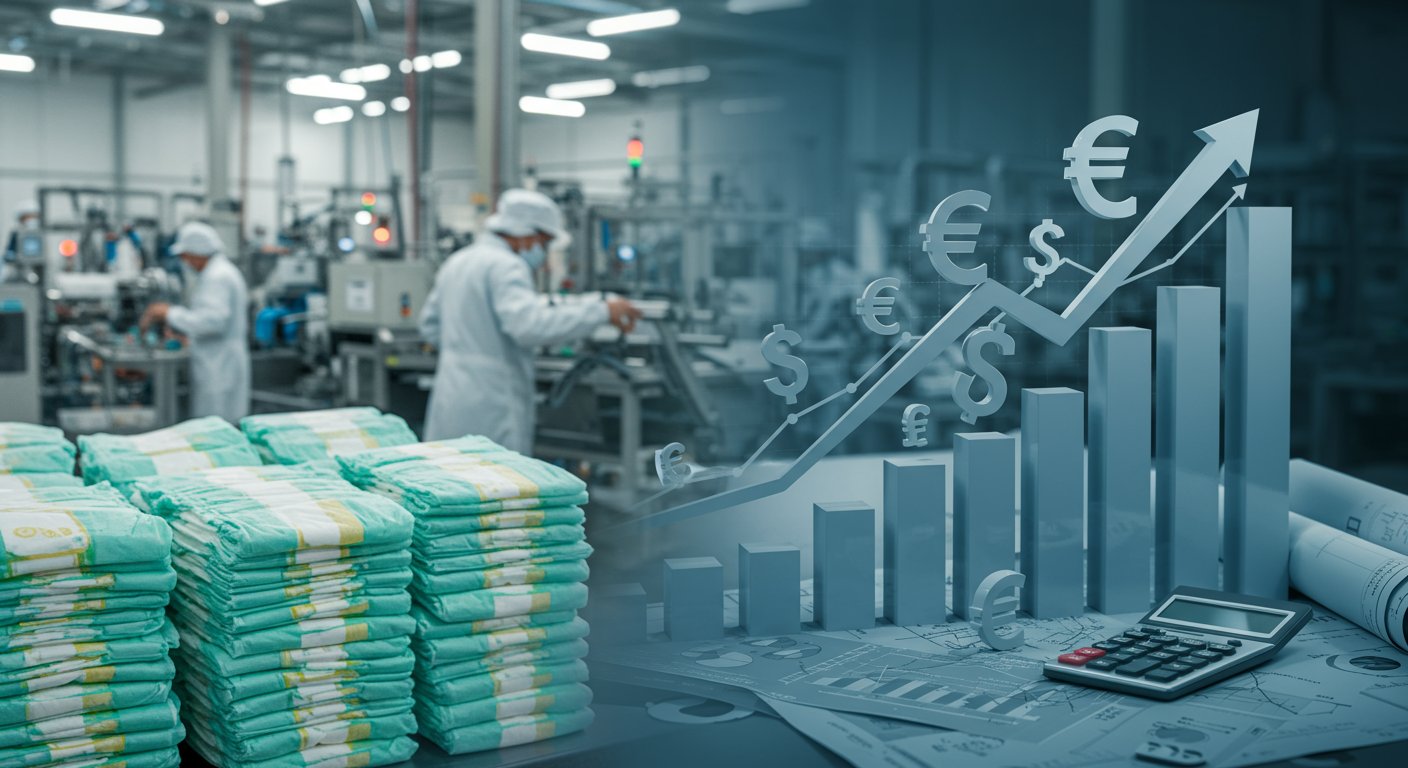
Diaper Manufacturing Business (Low Investment & High Profit)

0
Diaper Manufacturing Business (Low Investment & High Profit)


Diaper Manufacturing Business Low Investment, High Profit, Setup Guide & Cost Breakdown

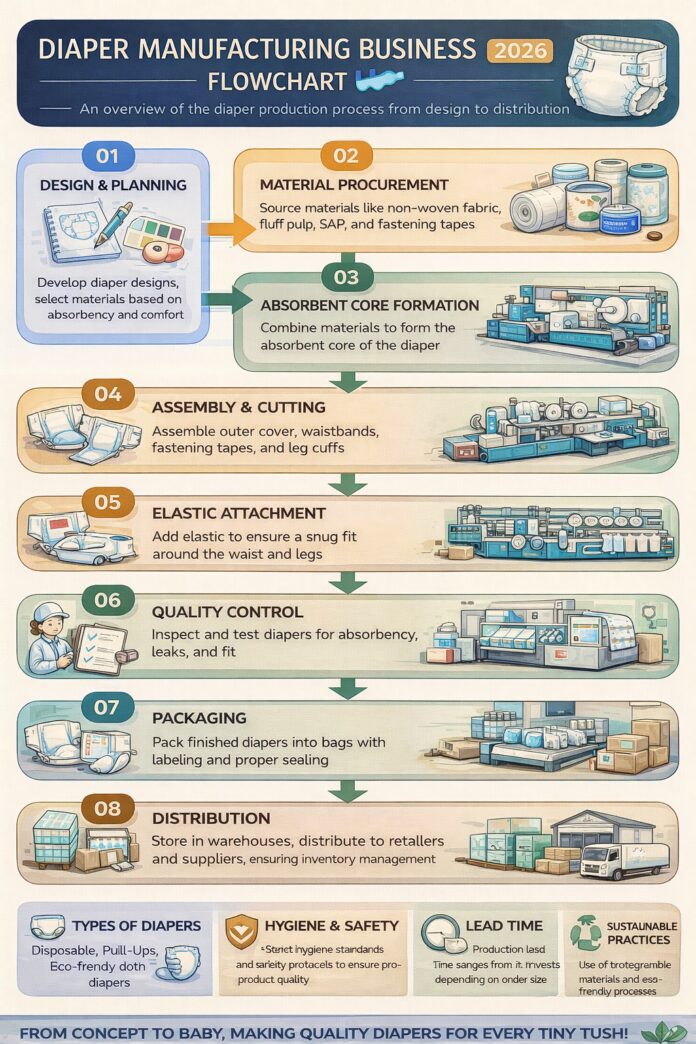
We are going to explore a rapidly Diaper Manufacturing Business opportunity that has strong demand throughout the year and ensures repeat customers. Yes, we are talking about the diaper manufacturing business.

The demand for diapersтАФboth baby and adultтАФis continuously increasing across cities, towns, and even rural areas. This growth is driven by changing lifestyles, rising health awareness, and the expansion of the middle-class population.

If you are looking for a future-proof, scalable, and long-term profitable manufacturing business, then diaper production can be an excellent option. In this guide, we will cover everything you need to know about starting a diaper manufacturing business in 2026.

Diaper Manufacturing Business (Low Investment & High Profit)

Types of Diapers and Market Potential

Before starting production, it is important to understand the different types of diapers available in the market.

There are mainly two categories:

  • Baby diapers
  • Adult diapers

In baby diapers, popular variants include:

  • Disposable diapers
  • Cloth-like breathable diapers
  • Pant-style pull-up diapers

On the other hand, adult diapers are also witnessing strong demand due to increasing elderly care needs and growing awareness about incontinence management. The most common types include tape-style and pant-style adult diapers.

The global diaper market is expanding rapidly and is expected to reach around $140+ billion by 2030, showing strong long-term growth potential. Demand is not only limited to metro cities but is also increasing in semi-urban and rural markets.


Market Research Before Starting Business

Proper market research is the foundation of a successful diaper manufacturing business.

You should visit:

  • Medical stores
  • Baby product shops
  • Wholesale markets
  • Hospitals and clinics

Analyze:

  • Which diaper brands sell the most
  • Price range in your local market
  • Product quality and features
  • Absorbency level, comfort, and leakage protection
  • Packaging quality and brand positioning

This research helps you decide:

  • Whether to focus on baby diapers, adult diapers, or both
  • Pricing strategy
  • Product quality level
  • Packaging design and branding

Strong research reduces risk and increases success chances.


Business Registration and Legal Requirements

To operate legally in 2026, you must complete proper business registration.

Key requirements include:

  • GST registration for taxation and interstate sales
  • MSME (Udyam registration) for government benefits and loans
  • Trade license and factory license (as per local rules)
  • BIS certification to improve product trust and quality assurance
  • Trademark registration to protect your brand name and logo

Since diapers are a hygiene-based product, compliance and quality certifications are very important for building market trust.


Raw Materials Required

The quality of diapers depends heavily on raw materials used in production.

Main raw materials include:

  • Non-woven fabric (outer layer)
  • Fluff pulp and SAP (super absorbent polymer)
  • Elastic bands for fitting
  • Polyethylene sheet for leak protection
  • Adhesive tapes or Velcro strips
  • Packaging material

These materials can be sourced from suppliers via platforms like IndiaMART, TradeIndia, or Alibaba, as well as local distributors.


Machinery and Equipment

Machines play a key role in production quality and output.

There are two types:

  • Semi-automatic machines (low investment, suitable for startups)
  • Fully automatic machines (high speed, large-scale production)

Additional equipment includes:

  • Air compressor
  • Packaging machine
  • Cutting tools
  • Quality testing equipment

Machine selection depends on your budget and production capacity.


Factory Location and Space Requirements

Choosing the right location is crucial for smooth operations.

Space required:

  • Semi-automatic unit: 1,000 тАУ 2,000 sq. ft.
  • Fully automatic unit: 3,000 тАУ 5,000 sq. ft.

Important factors:

  • Easy transportation access
  • Stable electricity supply
  • Proper ventilation
  • Storage space for raw materials and finished goods

Investment and Financial Planning

Financial planning is essential before starting this business.

Estimated investment:

  • Semi-automatic setup: тВ╣15тАУ30 lakhs
  • Fully automatic setup: up to тВ╣1 crore

Monthly expenses include:

  • Raw materials
  • Labor cost
  • Electricity
  • Maintenance
  • Packaging and logistics

Since diapers are a high-volume product, profitability increases significantly with scale.


Manufacturing Process

The diaper production process is systematic and technology-driven:

  1. Non-woven fabric is fed into the machine
  2. Fluff pulp and SAP layers are added for absorption
  3. Diaper shape is formed and cut automatically
  4. Elastic is added for better fitting
  5. Tape or Velcro is attached for sealing
  6. Each piece is quality tested
  7. Final products are packed using automated machines

Quality checks ensure absorbency, leakage protection, and comfort standards.


Sales and Marketing Strategy

Success in this business depends heavily on strong marketing and distribution.

You can sell through:

  • Medical stores
  • Baby product shops
  • Supermarkets and general stores
  • Hospitals and clinics
  • Wholesale distributors
  • Online platforms like Amazon, Flipkart, and Meesho

Marketing strategies:

  • Attractive packaging with clear benefits like тАЬUltra AbsorbentтАЭ and тАЬLeak ProofтАЭ
  • Free sample distribution
  • Social media promotion
  • Video demonstrations of manufacturing process
  • Strong distributor margin system

Building brand trust is key to long-term success.


Conclusion

In conclusion, the diaper manufacturing business in 2026 is a highly promising opportunity with strong and continuous demand. With proper planning, quality production, the right machinery, and strong distribution channels, this business can become highly profitable and scalable over time.

diaper manufacturing business 2026 how to start diaper production business baby diaper making machine cost diaper business profit margin sanitary pad and diaper manufacturing setup small scale diaper manufacturing business diaper production business plan 2026 diaper factory setup cost and profit baby diaper manufacturing machine price diaper business startup guide

How to Start a Shoe Business Income Potential & Key Benefits

0
How to Start a Shoe Business Income Potential & Key Benefits

How to Start a Shoe Business Income, Profit & Benefits

Start a Shoe Business is an exciting entrepreneurial opportunity with significant profit potential. The global footwear market is valued at over $365 billion, with steady growth projected in the coming years. Whether you’re interested in retail, manufacturing, or e-commerce, this comprehensive guide will walk you through everything you need to know to launch your successful shoe business.


Market Overview & Opportunity

The shoe industry remains resilient and profitable because footwear is an essential product everyone needs. The market includes various segments: athletic shoes, formal wear, casual footwear, specialized sports shoes, and sustainable/eco-friendly options. Each segment offers different profit margins and target audiences.

The beauty of starting a shoe business is flexibilityтАФyou can begin with dropshipping, reselling wholesale inventory, designing custom shoes, or manufacturing your own brand. The entry barrier is moderate, making it accessible for entrepreneurs with limited capital.

How to Start a Shoe Business Income Potential & Key Benefits


How to Start Your Shoe Business

1. Market Research & Niche Selection

Before investing money, identify your target market. Will you focus on:

  • Athletic shoes for runners and fitness enthusiasts
  • Formal footwear for professionals
  • Sustainable/eco-friendly shoes for conscious consumers
  • Specialty shoes (safety, medical, orthopedic)
  • Fashion/trendy footwear for style-conscious buyers
  • Vintage or secondhand shoes

Analyze competitors, study consumer preferences, and identify market gaps. This research is invaluable for positioning your business successfully.

2. Choose Your Business Model

  • Dropshipping: Low startup cost; suppliers handle inventory and shipping
  • Wholesale Reselling: Buy inventory at wholesale prices, mark up and sell
  • Direct Manufacturing: Design and produce your own shoes (higher investment)
  • E-commerce Store: Sell online through Shopify, Amazon, or your website
  • Retail Location: Physical storefront for direct customer engagement

3. Business Planning & Registration

Create a detailed business plan outlining:

  • Startup costs (inventory, website, marketing, permits)
  • Revenue projections
  • Operating expenses
  • Marketing strategy
  • Financial forecasts (12-36 months)

Register your business legally (LLC, sole proprietorship, or corporation) and obtain necessary licenses and permits in your jurisdiction.

4. Secure Funding

Estimate your startup budget:

  • Initial inventory: $2,000тАУ$15,000
  • Website & e-commerce setup: $500тАУ$3,000
  • Business registration & licensing: $200тАУ$1,000
  • Marketing & branding: $1,000тАУ$5,000
  • Packaging & logistics: $500тАУ$2,000

Funding options include personal savings, small business loans, credit lines, or investor partnerships.

5. Source Products & Suppliers

Find reliable suppliers through:

  • Alibaba & Global Sources: Connect with manufacturers worldwide
  • Local wholesalers: Build relationships with nearby distributors
  • Trade shows: Attend footwear industry events
  • Supplier verification: Check ratings, certifications, and samples

Quality control is criticalтАФalways request samples before bulk orders.

6. Build Your Brand & Online Presence

  • Create a professional brand name and logo
  • Develop a user-friendly e-commerce website
  • Optimize for mobile shopping
  • Use social media (Instagram, TikTok, Facebook) for marketing
  • Invest in professional product photography

7. Implement Marketing Strategies

  • SEO optimization: Target keywords like “affordable running shoes” or “eco-friendly footwear”
  • Social media marketing: Showcase products through visual content
  • Influencer partnerships: Collaborate with lifestyle and fitness influencers
  • Email marketing: Build customer lists for repeat sales
  • Paid advertising: Use Google Ads and Facebook Ads strategically
  • Content marketing: Create blog posts about shoe care, fashion trends, or fitness

Income Potential & Profit Margins

Profit Margins

  • Dropshipping: 20тАУ30% markup (lower investment, higher competition)
  • Wholesale reselling: 40тАУ60% markup (moderate competition)
  • Direct manufacturing: 60тАУ80% markup (higher investment, higher profit)
  • Premium/luxury brands: 70тАУ90% markup

Income Examples

  • Part-time business (50 shoes/month at $30 profit): $1,500/month ($18,000/year)
  • Mid-scale business (200 shoes/month at $40 profit): $8,000/month ($96,000/year)
  • Growing business (500+ shoes/month at $50 profit): $25,000+/month ($300,000+/year)

Profitability depends on your business model, marketing effectiveness, customer acquisition costs, and operational efficiency.


Key Benefits of Starting a Shoe Business

1. Consistent Demand

Footwear is essential; people continuously need shoes for work, sports, and daily life. This creates reliable, recurring customer demand.

2. Diverse Customer Base

Your potential market includes professionals, athletes, students, children, elderly people, and fashion enthusiastsтАФeveryone buys shoes.

3. Scalability

Start small with dropshipping or limited inventory, then scale to manufacturing and multiple sales channels as you grow.

4. Low Time Investment

With proper automation (e-commerce platform, email marketing, social media scheduling), you can operate this business part-time initially.

5. Multiple Revenue Streams

Sell through your website, Amazon, eBay, social media, pop-up stores, or wholesale partnerships simultaneously.

6. Strong Seasonal Opportunities

Capitalize on peak seasons (back-to-school, holidays, summer) for higher sales and profits.

7. Brand Building Potential

Unlike commodity products, shoe businesses allow for strong brand development, customer loyalty, and premium pricing.


Essential Success Tips

  • Focus on quality: Poor-quality shoes damage reputation and lead to returns
  • Prioritize customer service: Responsive support builds loyalty and reviews
  • Optimize logistics: Fast, reliable shipping improves customer satisfaction
  • Monitor trends: Fashion and athletic trends change quickly; stay ahead
  • Build community: Engage customers through newsletters, loyalty programs, and social media
  • Test before scaling: Start with one product line, measure success, then expand

Conclusion (Start a Shoe Business)

Starting a shoe business is a viable path to entrepreneurship with excellent profit potential and growth opportunities. Whether you choose dropshipping for minimal investment or direct manufacturing for maximum margins, success depends on market research, quality products, strategic marketing, and customer focus. With the right execution, your shoe business can generate substantial income while serving a fundamental market need. Begin today with solid planning, and watch your business stride toward success.

How to start a shoe business Shoe business startup costs Shoe business profit margins Shoe business income potential Start shoe business 2026 Shoe business ideas profitable Shoe business benefits Low investment shoe business Online shoe business Shoe business for beginners fastnews123

Updraftplus Backup Step by Step in WordPress

0
Updraftplus Backup
Updraftplus Backup in Wordpress

Updraftplus Backup Step by Step in WordPress рдЬрд┐рди рд▓реЛрдЧреЛрдВ рдХрд╛ wordpress blog рд╣реИ рдЙрдиреНрд╣реЗрдВ updraftplus рдХреЗ рдмрд╛рд░реЗ рдореЗрдВ рдЕрдЪреНрдЫреЗ рд╕реЗ рдкрддрд╛ рд╣реЛрдЧрд╛ рдХрд┐ рдЗрд╕ plugin рдХрд╛ рдЙрдкрдпреЛрдЧ website рдХреЗ data рдХреЛ backup and restore рдХрд░рдиреЗ рдХреЗ рд▓рд┐рдП рдХрд┐рдпрд╛ рдЬрд╛рддрд╛ рд╣реИред рдЗрд╕реЗ WP рдХрд╛ рд╕рдмрд╕реЗ рдмреЭрд┐рдпрд╛ migration tool рднреА рдорд╛рдирд╛ рдЬрд╛рддрд╛ рд╣реИред updraftplus backup рд╕реЗ рдПрдХ hosting рд╕реЗ рджреВрд╕рд░реА hosting рдкрд░ blog transfer рдХрд░ рд╕рдХрддреЗ рд╣реИрдВред рдпреЗ website migration рдХрд░рдиреЗ рдХрд╛ рд╕рдмрд╕реЗ рдЖрд╕рд╛рди рддрд░реАрдХрд╛ рд╣реЛрддрд╛ рд╣реИред рдпрджрд┐ WP site рдХреЗ database рдореЗрдВ рдХреЛрдИ virus рдЖ рдЬрд╛рдпреЗ рддреЛ рдЙрд╕реЗ рдареАрдХ рдХрд░рдиреЗ рдХреЗ рд▓рд┐рдП updraftplus plugin backup restore рдХрд░ рд╕рдХрддреЗ рд╣реИрдВред рдпрджрд┐ hosting expire рд╣реЛ рдЬрд╛рдпреЗ рдФрд░ рдЖрдкрдХреЗ рдкрд╛рд╕ рдмреНрд▓реЙрдЧ рдХрд╛ full backup рд╣реИ рддреЛ рдЙрд╕реЗ new hosting рдкрд░ upload рдХрд░рдХреЗ рдмреНрд▓реЙрдЧ рдХреЛ live рдХрд░ рд╕рдХрддреЗ рд╣реИрдВред


Updraftplus Backup Step by Step in WordPress


рдЪрд╛рд╣реЗ рдХреЛрдИ рднреА рд╣реЛрд╕реНрдЯрд┐рдВрдЧ рдХрдВрдкрдиреА рд╣реЛ рдпрджрд┐ рдЖрдкрдХреА Site рдХреЛ рдХреЛрдИ рдиреБрдХрд╕рд╛рди рд╣реЛрддрд╛ рд╣реИ рдпрд╛ рдЙрд╕рдХрд╛ data рдХреНрд░реЗрд╕ рд╣реЛрддрд╛ рд╣реИ рддреЛ рдЖрдкрдХреА рд╡реЗрдмрд╕рд╛рдЗрдЯ рдкрд░ рдХреА рдЧрдпреА рдореЗрд╣рдирдд рдкреВрд░реА рддрд░рд╣ рдмрд░реНрд╡рд╛рдж рд╣реЛ рд╕рдХрддреА рд╣реИред рдХреНрдпреЛрдВрдХрд┐ рд╕рднреА рд╣реЛрд╕реНрдЯрд┐рдВрдЧ рдХрдВрдкрдирд┐рдпрд╛рдБ рдХрд╣рддреАрдВ рд╣реИрдВ рдХрд┐ webmaster рдХреЛ site рдХреЗ daily backup рдХрд╛ рдЦреНрдпрд╛рд▓ рдЙрд╕реЗ рдЦреБрдж рд░рдЦрдирд╛ рд╣реЛрдЧрд╛ред рдпрджрд┐ рдРрд╕реЗ рдореЗрдВ рдЖрдкрдХреЗ рдмреНрд▓реЙрдЧ file рдХреЛ рдХреЛрдИ рдХреНрд╖рддрд┐ рд╣реЛрддреА рд╣реИ рддреЛ owner рдЦреБрдж рдЬрд┐рдореНрдореЗрджрд╛рд░ рд╣реЛрддрд╛ рд╣реИред


рдХрднреА рдХрднреА рдРрд╕рд╛ рднреА рд╣реЛрддрд╛ рд╣реИ рдХрд┐ рдЖрдкрдХреА рд╕рд╛рдИрдЯ рдореЗрдВ рдХреЛрдИ рдЦрддрд░рдирд╛рдХ рд╕реНрдХреНрд░рд┐рдкреНрдЯ hackers рдХреЗ рджреНрд╡рд╛рд░рд╛ upload рдХрд░ рджреА рдЬрд╛рддреА рд╣реИ рдРрд╕реА рд╕реНрдерд┐рддрд┐ рдореЗрдВ рдЖрдкрдХрд╛ рдмреНрд▓реЙрдЧ hosting рдХрдВрдкрдиреА рджреНрд╡рд╛рд░рд╛ рдмрдВрдж рдХрд░ рджрд┐рдпрд╛ рдЬрд╛рддрд╛ рд╣реИ рдФрд░ рдЬрдм рддрдХ рдЖрдк рдЙрд╕реЗ clean рдирд╣реАрдВ рдХрд░ рд▓реЗрддреЗ рддрдм рддрдХ рд╡рд╣ рджреБрдмрд╛рд░рд╛ live рдирд╣реАрдВ рд╣реЛрддрд╛ред

рдЕрдм рд╣рд░ рдПрдХ рдмреНрд▓реЙрдЧрд░ рдХреЛ рдЗрддрдирд╛ knowledge рдирд╣реАрдВ рд╣реЛрддрд╛ рдХрд┐ рд╡реЛ рдЙрд╕реЗ manually clean рдХрд░ рдкрд╛рдП, рддреЛ рдЗрд╕рдХрд╛ рдпрд╣реА рддрд░реАрдХрд╛ рд╕рдмрд╕реЗ рдЖрд╕рд╛рди рд╣реЛрддрд╛ рд╣реИ рдХрд┐┬аUpdraftplus рдХреЗ data backup рдХреЛ restore рдХрд░ рджрд┐рдпрд╛ рдЬрд╛рдпреЗ рдФрд░ restore рдХрд░рдиреЗ рд╕реЗ рдкрд╣рд▓реЗ рдЗрд╕рдХреА рдЬрд╛рдирдХрд╛рд░реА рдЬрд░реБрд░ рд╣реЛрдиреА рдЪрд╛рд╣рд┐рдП рдХрд┐ рд╡рд╛рдпрд░рд╕ рдпрд╛ infected file рдХрдм upload рдХреА рдЧрдпреА рд╣реИ рдЬрдм рдпреЗ рдкрддрд╛ рд▓рдЧ рдЬрд╛рдпреЗ рддреЛ рдЙрд╕рдХреЗ рдПрдХ рджрд┐рди рдкрд╣рд▓реЗ рдХрд╛┬аUpdraftplus Backup restore рдХрд░ рджреАрдЬрд┐рдпреЗ, рдЖрдкрдХреА problem solve рд╣реЛ рдЬрд╛рдПрдЧреАред

рдкреНрд░реЙрдмреНрд▓рдо рдЙрд╕ рд╕реНрдерд┐рддрд┐ рдореЗрдВ рдЧрдВрднреАрд░ рд╣реЛ рдЬрд╛рддреА рд╣реИ рдЬрдм рдЖрдкрдХреА hosting expire рд╣реЛ рдЬрд╛рдпреЗ рддрдм рди рддреЛ рдХрдВрдкрдиреА рд╕рдкреЛрд░реНрдЯ рдХрд░рддреА рд╣реИ рдФрд░ рди рд╣реА рдЖрдкрдХрд╛ рдмреНрд▓реЙрдЧ open рд╣реЛрддрд╛ рд╣реИ рдФрд░ рди рд╣реА рдЖрдк рдЕрдкрдиреА рд╣реЛрд╕реНрдЯрд┐рдВрдЧ company change рдХрд░ рд╕рдХрддреЗ рд╣реЛ рдХреНрдпреЛрдВрдХрд┐ рдЖрдкрдХреЗ рдкрд╛рд╕ рдирд╣реАрдВ рд╣реЛрддрд╛ рд╣реИред рдЬрд┐рд╕рдХреА рд╡рдЬрд╣ рд╕реЗ рдЖрдкрдХреЗ рджреНрд╡рд╛рд░рд╛ рдХреА рдЧрдпреА рдорд╣реАрдиреЛрдВ рдФрд░ рд╕рд╛рд▓реЛрдВ рдХреА рдореЗрд╣рдирдд рдкрд░ рдкрд╛рдиреА рдлрд┐рд░ рдЬрд╛рддрд╛ рд╣реИред

рд▓реЗрдХрд┐рди рдореЗрд░рд╛ рдорд╛рдирдирд╛ рдХреБрдЫ рдЕрд▓рдЧ рд╣реИ, рдЖрдкрдХрд╛ рдмреНрд▓реЙрдЧ hosting рдЦрддреНрдо рд╣реЛ рдЬрд╛рдиреЗ рдХреЗ рдмрд╛рдж рднреА рдкрд░ рджреБрдмрд╛рд░рд╛ live рд╣реЛ рд╕рдХрддрд╛ рд╣реИ рд▓реЗрдХрд┐рди рдЗрд╕рдХреЗ рд▓рд┐рдП рдЖрдкрдХреЗ рдкрд╛рд╕ рд╣реЛрдирд╛ рдЪрд╛рд╣рд┐рдП рдмрд╕ рдЗрддрдиреЗ рд╕реЗ рд╣реА рдЖрдкрдХреА рдореЗрд╣рдирдд рджреБрдмрд╛рд░рд╛ рд░рдВрдЧ рд▓рд╛рдПрдЧреАред рдХреИрд╕реЗ рдЖрдкрдХрд╛ рдмреНрд▓реЙрдЧ рджреБрдмрд╛рд░рд╛ open рд╣реЛрдиреЗ рд▓рдЧреЗрдЧрд╛ рдЗрд╕рдХреЗ рдмрд╛рд░реЗ рдореЗрдВ рдЖрдЧреЗ рдмрддрд╛рдКрдВрдЧрд╛ рдмрд╣реБрдд рд╣реА рдЖрд╕рд╛рди рд╣реИ рдмрд╕ рдЖрдкрдХреЛ рдЬрд╛рдирдХрд╛рд░реА рдирд╣реАрдВ рд╣реИред

рдпрджрд┐ рдЖрдкрдХреЛ рдЕрдкрдирд╛ рдмреНрд▓реЙрдЧ рдПрдХ hosting рд╕реЗ рджреВрд╕рд░реА hosting рдкрд░ transfer рдХрд░рдирд╛ рд╣реИ рддреЛ┬аupdraftplus plugin рд╕реЗ backup рд▓реЗрдХрд░ new hosting рдкрд░ upload рдХрд░ рд╕рдХрддреЗ рд╣реИрдВ рдХреНрдпреЛрдВрдХрд┐ рдпреЗ рдмрд╣реБрдд рд╣реА simple method рд╣реИ hosting migrate рдХрд░рдиреЗ рдХреЗ рд▓рд┐рдП рдФрд░ рдпрджрд┐ рдЖрдк рдПрдХ new рдмреНрд▓реЙрдЧрд░ рд╣реИрдВ рддреЛ technical рдЬрд╛рдирдХрд╛рд░реА рднреА рдХрдордЬреЛрд░ рд╣реЛрдЧреА рдЗрд╕рд▓рд┐рдП blog рдХреЛ рджреВрд╕рд░реА hosting рдкрд░ migrate рдХрд░рдиреЗ рдХреА рдпреЗ рд╕рдмрд╕реЗ best method рд╕рд╛рдмрд┐рдд рд╣реЛрдЧреАред

рдЕрднреА рдХреБрдЫ рд╕рдордп рдкрд╣рд▓реЗ рдХреБрдЫ рд▓реЛрдЧреЛрдВ рдиреЗ рдлреЗрд╕рдмреБрдХ рдкрд░ рдХреБрдЫ рдЗрд╕ рддрд░рд╣ рдХреЗ рд╕рд╡рд╛рд▓ рдХрд┐рдпреЗ рдереЗ рдЬреИрд╕реЗ┬аupdraftplus plugin se blog kaise migrate karte hai, updraftplus plugin ka backup restore kaise kare, New wordpress site par updraftplus backup kaise upload kare, how to upload updraftplus backup on new hosting in hindi, Google drive backup ko hosting par kaise upload karte hai рдЗрддреНрдпрд╛рджрд┐ред

Updraftplus Backup WP Blog Par Upload Karne Ke Liye Kya Kya Jaruri Hai ?

┬а

рдпрджрд┐ рдЖрдк рдЕрдкрдиреЗ WP рдмреНрд▓реЙрдЧ рдХреЛ other hosting рдкрд░ migrate рдХрд░рд╛рдирд╛ рдЪрд╛рд╣рддреЗ рд╣реИрдВ рддреЛ рдирд┐рдореНрдирд▓рд┐рдЦрд┐рдд рдЪреАрдЬреЗрдВ рдЖрдкрдХреЗ рдкрд╛рд╕ рд╣реЛрдирд╛ рдмрд╣реБрдд рдЬрд░реБрд░реА рд╣реИрдВ тАУ

  • рдЖрдкрдХреЗ рдкрд╛рд╕ рдПрдХ┬ардЬрд┐рд╕ рдкрд░ рдЖрдк рдЕрдкрдиреА wordpress рд╕рд╛рдИрдЯ рдХреЛ move рдХрд░рд╛рдирд╛ рдЪрд╛рд╣рддреЗ рд╣реИрдВред
  • рдЖрдкрдХреЗ рдкрд╛рд╕ 3G рдпрд╛ 4G net pack рд╣реЛ рдФрд░ рдЙрд╕рдореЗрдВ рдХрдо рд╕реЗ рдХрдо 1GB data рд╣реЛрдирд╛ рдЕрддрд┐рдЖрд╡рд╢реНрдпрдХ рд╣реИ рдФрд░ рдпрджрд┐ рдмреЬреА site рд╣реИ рддреЛ рдЗрд╕рд╕реЗ рднреА рдЬреНрдпрд╛рджрд╛ data рдХреА рдЬрд░реБрд░рдд рдкреЬ рд╕рдХрддреА рд╣реИред
  • рдХрдВрдкреНрдпреВрдЯрд░ рдпрд╛ рд▓реИрдкрдЯреЙрдк рдХрд╛ рд╣реЛрдирд╛ рднреА important рд╣реИред
  • рдЖрдкрдХреЗ рдкрд╛рд╕ рдмреНрд▓реЙрдЧ рдХрд╛ recent рд╡рд╛рд▓рд╛ updraftplus plugin рдХрд╛ full backup рд╣реЛрдирд╛ рд╕рдмрд╕реЗ рдЬреНрдпрд╛рджрд╛ рдЬрд░реБрд░реА рд╣реИред рдЗрд╕рд▓рд┐рдП рдЗрд╕реЗ download рдХрд░рдХреЗ рдкрд╣рд▓реЗ рд░рдЦрдирд╛ рдЬреНрдпрд╛рджрд╛ рдареАрдХ рд░рд╣рддрд╛ рд╣реИред
  • рдереЛреЬрд╛ рдмрд╣реБрдд WP рдХрд╛ technical рдиреЙрд▓реЗрдЬ рд╣реЛ рддреЛ рдФрд░ рдЬреНрдпрд╛рджрд╛ рдЕрдЪреНрдЫрд╛ рд░рд╣реЗрдЧрд╛ рд╡реИрд╕реЗ рдореЗрдВ рдЖрдкрдХреЛ рдЖрдЧреЗ рдмрддрд╛рдиреЗ рд╡рд╛рд▓рд╛ рд╣реВрдБ рдЬрд┐рд╕рд╕реЗ рдЖрдкрдХреЛ рдХреЛрдИ рдкреНрд░реЙрдмреНрд▓рдо рдирд╣реАрдВ рдЖрдПрдЧреАред

рддреЛ рдпреЗ рдЬреЛ рдореИрдВрдиреЗ рдКрдкрд░ рдЬрд┐рддрдиреА рдЪреАрдЬреЗрдВ рдмрддрд╛рдпреАрдВ рд╣реИрдВ рд╡реЛ рд╕рдм рдЖрдкрдХреЗ рдкрд╛рд╕ рдореМрдЬреВрдж рд╣реЛрдирд╛ рдмрд╣реБрдд рд╣реА important рд╣реИрдВ otherwise рдЖрдкрдХреА рд╕рдорд╕реНрдпрд╛ solve рд╣реЛрдирд╛ рдереЛреЬрд╛ рдХрдард┐рди рд╣реЛ рд╕рдХрддрд╛ рд╣реИред рддреЛ рдЪрд▓рд┐рдП рдЬрд╛рдирддреЗ рд╣реИрдВ рдХрд┐┬аNew hosting par updraftplus backup kaise upload karte hai.

┬а

How to Upload Updraftplus Backup on WordPress Blog in hindi

┬а

рдпрджрд┐ рдЖрдкрдХреЗ рдкрд╛рд╕ рдкрд╣рд▓реЗ рд╕реЗ рдЕрдкрдиреА website рдХрд╛ рдЕрдкрдбреНрд░рд╛рдлреНрдЯрдкреНрд▓рд╕ рдмреИрдХрдЕрдк рд╣реИ рдФрд░ рдЖрдк рдЙрд╕реЗ рдХрд┐рд╕реА рдирдП blog рдпрд╛ new hosting рдкрд░ blog рдмрдирд╛рдХрд░ upload рдХрд░рдирд╛ рдЪрд╛рд╣рддреЗ рд╣реИрдВ рддреЛ рдЖрдкрдХреЛ рдЖрдЧреЗ рдмрддрд╛рдпреЗ рдЧрдП рд╕реНрдЯреЗрдкреНрд╕ рдХреЛ рдлреЙрд▓реЛ рдХрд░рдирд╛ рдЪрд╛рд╣рд┐рдП тАУ

рд╕реНрдЯреЗрдк -1

  1. рд╕рдмрд╕реЗ рдкрд╣рд▓реЗ рдЖрдкрдХреЛ hosting рдкрд░
  2. рдЗрд╕рдХреЗ рдмрд╛рдж рдЕрдкрдиреЗ WordPress рдбреИрд╢рдмреЛрд░реНрдб рдХреЛ open рдХрд░рдХреЗ updraftplus┬аwordpress backup┬а

рд╕реНрдЯреЗрдк -2

Updraftplus Backup Step by Step in WordPress

  1. рдЕрдм┬аSettings┬ардкрд░ рдХреНрд▓рд┐рдХ рдХреАрдЬрд┐рдпреЗред
  2. рдЗрд╕рдХреЗ рдмрд╛рдж┬аUpdraftplus backup┬ардкрд░ рдХреНрд▓рд┐рдХ рдХрд░ рджреАрдЬрд┐рдпреЗред

┬а

рд╕реНрдЯреЗрдк -3

Updraftplus Backup Step by Step in WordPress

  1. рдЕрдм┬аExisting Backups┬ардЯреИрдм рдкрд░ рдХреНрд▓рд┐рдХ рдХреАрдЬрд┐рдпреЗред
  2. Upload Backup Files┬ардкрд░ рдХреНрд▓рд┐рдХ рдХрд░ рджреАрдЬрд┐рдпреЗред
  3. рдЗрд╕рдХреЗ рдмрд╛рдж┬аSelect Files┬ардкрд░ рдХреНрд▓рд┐рдХ рдХрд░рдХреЗ рдЕрдкрдиреА рд╕рд╛рд░реА┬аupdraftplus backup рдХреА рдлрд╛рдЗрд▓реНрд╕ рдХреЛ select рдХрд░рдХреЗ upload рдХрд░ рджреАрдЬрд┐рдпреЗред

рдЬрдм рдЖрдкрдХреА рд╕рд╛рд░реА рдмреИрдХрдЕрдк рдлрд╛рдЗрд▓реНрд╕ successfully upload рд╣реЛ рдЬрд╛рдпреЗрдВрдЧреАрдВ рддреЛ рд╣рд░ рдПрдХ рдлрд╛рдЗрд▓ рдХреЗ рд╕рд╛рдордиреЗ complete рд▓рд┐рдЦрд╛ рд╣реБрдЖ рджрд┐рдЦрдиреЗ рд▓рдЧреЗрдЧрд╛ред

рд╕реНрдЯреЗрдк -5

рдЬрдм рд╕рднреА рдлрд╛рдЗрд▓реНрд╕ upload рд╣реЛ рдЬрд╛рдПрдБрдЧреА рддреЛ рдиреАрдЪреЗ рдХреА рддрд░рдл┬аRestore┬ардмрдЯрди рдкрд░ рдХреНрд▓рд┐рдХ рдХрд░ рджреАрдЬрд┐рдпреЗ рдЗрд╕рдХреЗ рдмрд╛рдж рдХреБрдЫ seconds рдореЗрдВ рдЖрдкрдХрд╛ backup restore рд╣реЛ рдЬрд╛рдпреЗрдЧрд╛ рдФрд░ рдЖрдкрдХреЗ рдмреНрд▓реЙрдЧ рдкрд░ рд╕рд╛рд░рд╛ content show рд╣реЛрдиреЗ рд▓рдЧреЗрдЧрд╛, рдорддрд▓рдм рдЖрдкрдХрд╛ рдмреНрд▓реЙрдЧ ready рд╣реЛ рдЬрд╛рдпреЗрдЧрд╛ред

рдЕрдм рдЖрдк рдЕрдкрдирд╛ рдмреНрд▓реЙрдЧ рдЕрдкрдиреЗ browser рдореЗрдВ open рдХрд░рдХреЗ рджреЗрдЦ рд╕рдХрддреЗ рд╣реИрдВ рд╕рдм рдХреБрдЫ рд╡реИрд╕рд╛ рд╣реА рдирдЬрд░ рдЖрдПрдЧрд╛ рдЬреИрд╕рд╛ рдЖрдкрдХрд╛ old blog рдерд╛ рдЬрд┐рд╕рдХрд╛ рдЖрдкрдиреЗ updraftplus plugin рд╕реЗ backup рд▓реЗрдХрд░ рдЗрд╕ new рд╕рд╛рдИрдЯ рдкрд░ upload рдХрд┐рдпрд╛ рд╣реИред

рд▓реЗрдХрд┐рди рдЕрднреА рдЖрдкрдХреЛ рдХреБрдЫ important settings рдХрд░рдиреА рд╣реЛрдВрдЧреА рдЬрд┐рд╕рдХреЗ рдмрд╛рд░реЗ рдореЗрдВ рдореИрдВрдиреЗ рдЕрд▓рдЧ рд╕реЗ рдмрддрд╛рдпрд╛ рд╣реИ рдЖрдк рдЪрд╛рд╣реЗрдВ рддреЛ рдХреЗ рдмрд╛рд░реЗ рдореЗрдВ рдЗрд╕ link рдХреЛ open рдХрд░рдХреЗ рдЕрдкрдиреЗ WP рдмреНрд▓реЙрдЧ рдХреА settings рдХрд░ рд╕рдХрддреЗ рд╣реИрдВред


рдореБрдЭреЗ рдЙрдореНрдореАрдж рд╣реИ рдЖрдкрдХреЛ рдпреЗ updraftplus plugin ka backup kaise upload karte hai рд╡рд╛рд▓реА рдЬрд╛рдирдХрд╛рд░реА рдЬрд░реБрд░ рдкрд╕рдВрдж рдЖрдПрдЧреАред рдпрджрд┐ рдЖрдкрдХреЗ рдорди рдореЗрдВ рдЗрд╕ tutorial guide рд╕реЗ related рдХреЛрдИ рд╕рд╡рд╛рд▓ рдпрд╛ рд╕реБрдЭрд╛рд╡ рд╣реИ рддреЛ рдХрдореЗрдВрдЯ рдХрд░рдХреЗ рд╣рдореЗрдВ рдЬрд░реБрд░ рдмрддрд╛рдПрдБред рдпрджрд┐ рдЖрдкрдХреЛ updraftplus backup restore kaise karte hai рдпреЗ рд╡рд╛рд▓реА рдЗрдирдлрд╛рд░реНрдореЗрд╢рди рдЕрдЪреНрдЫреА рд▓рдЧреЗ рддреЛ рдЗрд╕реЗ рдЬреНрдпрд╛рджрд╛ рд╕реЗ рдЬреНрдпрд╛рджрд╛ рдЕрдкрдиреЗ рдлреЗрд╕рдмреБрдХ рдлреНрд░реЗрдВрдбреНрд╕ рдХреЗ рд╕рд╛рде рд╢реЗрдпрд░ рдХрд░рдХреЗ рдЙрдиреНрд╣реЗрдВ рднреА рдЕрд╡рдЧрдд рдХрд░рд╛рдПрдБред

┬а

Step 1: Install and activate UpdraftPlus

Section titled Step 1: Install and activate UpdraftPlThe first thing you need to do is install the┬аfree version of UpdraftPlus. You can find it on the WordPress plugin directory and install it directly through your dashboard.

Navigate to┬аPlugins > Add New Plugin┬аand search for UpdraftPlus. Click┬аInstall Now┬аand then┬аActivate.

Updraftplus Backup Step by Step in WordPress

If you have the premium version of UpdraftPlus or installed it manually from the repository, you can also click┬аUpload Plugin┬аand drop the zip file in there.

Step 2: Set up remote storage

Section titled Step 2: Set up remote storage

First, choose where youтАЩd like to back up to.

Storing backups on your websiteтАЩs server is a bad idea. If your server files get corrupted or infected with malware, the backups will be rendered useless.

Generally speaking, you should employ the 3-2-1 rule for backups, according to Tom Jauncey, CEO at at┬аNautilus Marketing. The 3-2-1 rule, тАЬmeans that you should retain three copies of your data in other places,тАЭ he says, then adds, тАЬ[f]or instance, there is the original, one backup on another medium, and another backup offsite.тАЭ

So, you could, тАЬkeep one locally on your computer and another on an external hard drive; keep another copy in the cloud,тАЭ he says.

Open UpdraftPlus by going to┬аSettings > UpdraftPlus Backups, then click the┬аSettings┬аtab.

Click the storage you want to export your backups to. Follow the steps to authenticate with the chosen service.

Updraftplus Backup Step by Step in WordPress
┬а

Now when you run manual or automatic backups, theyтАЩll have a place to be stored.

┬а

Step 3: Take a manual backup in UpdraftPlus

Section titled Step 3: Take a manual backup in UpdraftPlus

If you want to create a backup right now, itтАЩs super easy: just click the blue Backup Now button.

Updraftplus Backup Step by Step in WordPress
┬а

A pop-up will appear allowing you to choose what to back up. Make sure you select both files and database for a full WordPress backup. Then click┬аBackup Now┬аto start the process.

┬а

Updraftplus Backup Step by Step in WordPress
┬а

After a few minutes, your site will be backed up. You can find your backups and restore from the same tab as before.

┬а

Updraftplus Backup Step by Step in WordPress
┬а

Step 4: Schedule backups

Section titled Step 4: Schedule backups

If you prefer, you can schedule automatic backups. Click the┬аSettings┬аtab.

Here you can set the┬аFiles backup schedule┬аand┬аDatabase backup schedule. You can pick from a few options. You can also retain a certain number of backups before automatically deleting older backups

Updraftplus Backup Step by Step in WordPress
┬а


And thatтАЩs it! UpdraftPlus will now periodically back up your website and store the files somewhere safe.