Blog Page 13

Harminder Singh Nihang Biography, Case and Properties

0
Harminder Singh Nihang Biography
Harminder Singh Nihang Case and Properties

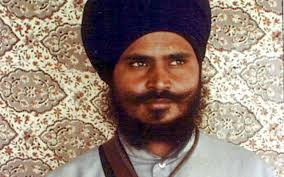
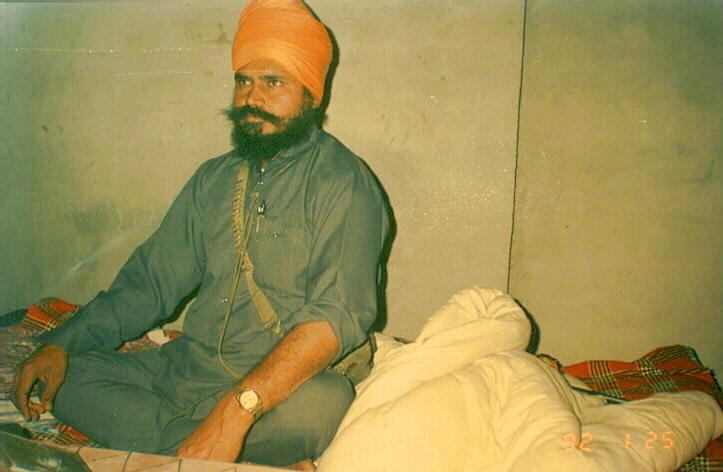
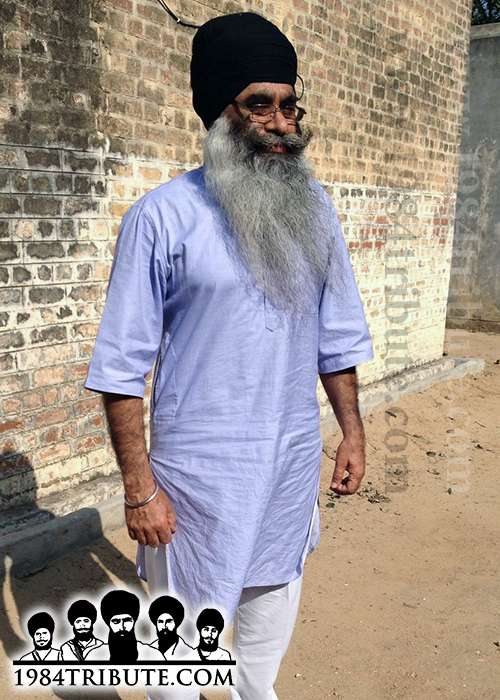
Harminder Singh Nihang Biography, jiska asli naam Harminder Singh tha, ek prominent Sikh militant leader the, jo Khalistan Liberation Force (KLF) ke 7th chief ke roop mein jaane jaate hain. Born on April 13, 1967, in Dalli village, Jalandhar district, Punjab, India, unhone apna jeevan Khalistan movement ko samarpit kiya, becoming a symbol of Sikh resistance against perceived oppression. He passed away on April 18, 2018, in Patiala Central Jail, Punjab, at the age of 51, officially due to a heart attack, though Sikh activists claim it was a custodial death or poisoning. Unki biography ek intense kahani hai rural roots se militancy tak, jisme family influence, religious fervor, aur international activism ka mishran hai, deeply tied to Punjab insurgency aur global Khalistan narrative.

Harminder Singh Nihang Biography, Case and Properties

Biography and History

हारमिंदर सिंह निहंग का इतिहास Dalli village se shuru hota hai, jahaan unhone ek simple Sikh family mein bachpan bitaya. Unke pita ek farmer the, aur family Jalandhar ke rural area mein based thi. 1978 ke Sikh-Nirankari clash aur 1984 ke Operation Blue Star ne unhe radicalized kiya, especially cousin Shaheed Bhai Amarjit Singh Dalli ke through, jo Khalistan freedom movement mein active the. Young age mein, unhone Sikh activism shuru kiya, joining Babbar Khalsa International (BKI) in the 1990s under Wadhwa Singh Babbar.

Yeh period Punjab insurgency ke peak tha, jahaan BKI Nirankari targets aur security forces par attacks karti thi. 2007 mein, unhone Dera Sacha Sauda chief Gurmeet Ram Rahim Singh ke against protest lead kiya, accusing him of hurting Sikh sentiments by imitating Guru Gobind Singh, leading to his arrest under sedition charges. 2008 mein, Dr. Pritam Singh Sekhon ki shaheedi ke baad, unhone KLF ka leadership sambhala, becoming its 7th chief. KLF, 1986 mein founded, armed struggle ke through Khalistan ke liye ladti thi. Harminder ne KLF ko reorganize kiya, focusing on anti-Sikh incidents jaise 2015 Malerkotla sacrilege cases aur 2017 Moga lynchings.

Unhone international networks banaye, especially Canada aur UK mein, where KLF sympathizers active the. November 27, 2016, ko, unhone Nabha Jail se dramatic escape kiya with five inmates, using pistols smuggled inside, but recaptured within hours in a nearby village. Yeh escape ne unhe global headlines banaya, highlighting jail security lapses aur Khalistani capabilities. Arrest ke baad, unhe multiple terror cases mein charged kiya gaya, including waging war against India. Jail mein, unhone hunger strikes kiye for Sikh prisoners’ rights. Unki death April 18, 2018, ko hui, jise Sikh groups ne suspicious maana, claiming foul play by Indian agencies. Unki history militancy se bhari hai, with a lifetime of sewa, simran, aur sacrifice.


Education (Study Harminder Singh Nihang Biography)

Harminder Singh ki shiksha village level par limited thi. Unhone Dalli village ke local government school se primary education complete ki, up to 5th or 8th grade, as per rural norms of the 1970s. No higher formal education documented; instead, unhone religious training li Damdami Taksal ya local Gurdwaras mein, focusing on Gurbani, Sikh history, aur Khalsa principles. Militant involvement ne unki practical education provide ki, including arms handling aur strategy, possibly through BKI networks in the 1990s. Unki intelligence operations mein dikhi, jaise 2016 jailbreak planning, jo self-taught skills ko highlight karti hai. No degrees ya advanced studies, lekin unki Sikh knowledge ne unhe respected leader banaya among youth.


Wife and Family

हारमिंदर सिंह निहंग की personal life low-profile rahi, given militant status. Unhone shaadi ki thi, lekin wife ka naam publicly undisclosed hai; sources suggest unhone ek simple life jee, avoiding family exposure for safety. No children mentioned, possibly due to underground life. Parivaar mein pita (farmer, name unknown), maa, aur siblings the, based in Dalli village. Cousin Shaheed Bhai Amarjit Singh Dalli unka major influence tha, jo Khalistan movement mein shaheed hue. Family faced police harassment, with raids aur interrogations common during 1990s insurgency. Post-death, family ne unki shaheedi ko commemorate kiya, but remained private to avoid further targeting. Unki family legacy Sikh activism se juda hai, with cousin’s martyrdom unhe movement mein laane wala factor.


Work

Harminder Singh ka career militancy par centered tha. Early life mein, unhone family farming mein madad ki, lekin 1980s ke end mein full-time activism join kiya. 1990s mein BKI join kiya, where unhone operations mein hissa liya, including protests aur low-level actions. 2007 Ram Rahim controversy ke baad, unki visibility badhi, leading to arrests. 2008 se KLF chief banne ke baad, unhone group ko revive kiya, focusing on sacrilege cases aur Sikh rights. Key works include planning attacks on Dera followers, coordinating with diaspora for funds, aur jailbreaks. 2016 Nabha escape unki mastermind capability dikhaati hai, though recaptured. Jail mein, unhone advocacy continue ki for political prisoners. No traditional job; unka work Khalistan ke liye dedicated tha, blending religious sewa with armed struggle.


Property, Income, Investment, Net Worth

हारमिंदर सिंह की property details negligible hain, as militant hone ke karan. Family ka modest farmland Dalli village mein tha, estimated 2-5 acres (Rs 50 lakh-1 crore in 1990s, about Rs 5-10 crore today), lekin police actions ne isse affected kiya. No personal assets like houses ya vehicles documented; jail time ne wealth accumulation ko impossible banaya. Income primarily diaspora donations se aata tha, especially Canada aur UK se, estimated Rs 50,000-2 lakh annually (about Rs 5-20 lakh today) for KLF operations. No investments like stocks ya businesses; funds arms smuggling aur activism ke liye use hue. Net worth at death (2018) minimal, around Rs 1-5 lakh (about Rs 10-50 lakh today), mostly family savings jo frozen ho sakte hain. Lavish life nahi jee; unka focus cause par tha.


Babbar Khalsa

हारमिंदर सिंह निहंग का Babbar Khalsa International (BKI) ke saath strong early connection tha. 1990s mein, unhone BKI join kiya under Wadhwa Singh Babbar, where unhone operations mein participate kiya, including anti-Nirankari actions aur security forces par attacks. BKI, 1978 mein founded by Sukhdev Singh Babbar aur Talwinder Singh Parmar, Khalistan ke liye armed wing thi, famous for Air India bombing. Harminder ne BKI ke puritanical discipline apnaya, but 2008 mein KLF shift kiya after Pritam Singh Sekhon ki shaheedi. BKI aur KLF ke beech alliances rahe, especially joint protests jaise 2007 Ram Rahim case. Unki BKI membership ne unhe militant networks provide kiye, but KLF leadership ne unhe independent identity di.


Khalistan

Khalistan movement, jisme Harminder Singh central the, ek Sikh separatist campaign hai for independent Punjab, rooted in 1978 Nirankari clash aur 1984 Operation Blue Star. As KLF chief (2008-2018), unhone movement ko revive kiya post-1990s crackdowns, focusing on sacrilege incidents jaise 2015 Malerkotla Bible burning aur 2017 Moga mob lynching. Unhone diaspora mobilize kiya, especially Canada mein, where KLF sympathizers active the. Key actions include 2016 jailbreak attempt to highlight prisoner rights, aur Ram Rahim protests for Sikh sovereignty. Unki leadership ne KLF ko BKI se alag but allied banaya, emphasizing non-violent protests with underlying armed potential. Shaheedi ne unhe martyr banaya, with annual commemorations in UK aur Canada, reinforcing Khalistan narrative against Indian state.


In summary

Harminder Singh Nihang ki zindagi Khalistan ke liye ek lifelong commitment thi. Village se jailbreak mastermind tak, unhone Sikh resistance ko globalized kiya. Unki death suspicious rahi, lekin legacy Sikh diaspora mein jeevit hai, symbolizing sewa aur sacrifice.


Harminder Singh Nihang Biography in hindi Harminder Nihang Biography Harminder Nihang Biography in hindi Harminder Nihang in hindi Harminder Nihang case Harminder Nihang kon hai Harminder Singh Nihang fastnews123
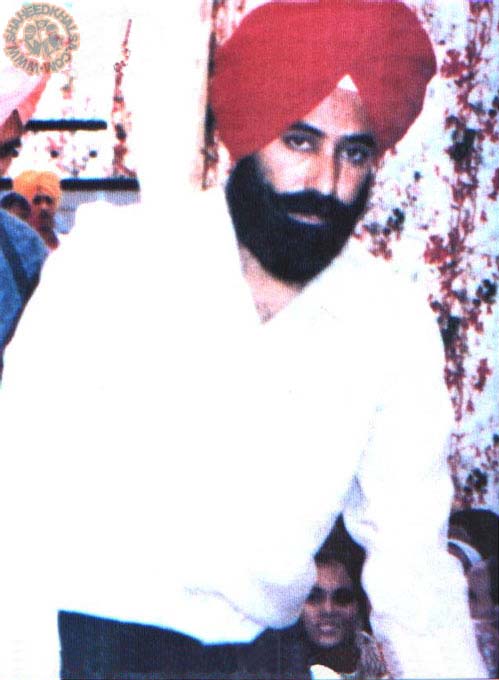
Navneet Singh Khadian Biography, Case and Properties

0
Navneet Singh Khadian Biography
Navneet Singh Khadian Case and Properties

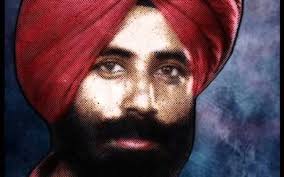
Navneet Singh Khadian Biography, jiska asli naam Navneet Singh tha, ek young aur dynamic Sikh militant leader the, jo Khalistan Liberation Force (KLF) ke chief ke roop mein jaane jaate the. Born in 1970 in Khadian village, Gurdaspur district, Punjab, India, unhone apna jeevan Khalistan movement ko samarpit kiya, becoming one of the youngest commanders at just 22 years old. Unki shaheedi February 25, 1994, ko Punjab Police ke saath encounter mein hui, jahaan ve KLF ke operations ke mastermind ke roop mein maare gaye. Unki biography ek inspiring kahani hai student life se militancy tak, jisme Sikh values, family tragedies, aur resistance ka mishran hai, deeply rooted in Punjab insurgency ke peak phase mein.

Navneet Singh Khadian Biography, Case and Properties

Biography and History

नवनीत सिंह खाड़ियाँ का इतिहास Khadian village se shuru hota hai, jahaan unhone ek middle-class Gursikh family mein bachpan bitaya. Unke pita Tirath Singh ek dedicated Sikh the, jo daily Gurdwara jaate the, aur maa (naam undisclosed) ghar sambhalti thi. Young age se hi, Navneet ne Sikh history aur Gurus ke sacrifices mein interest dikhaya, especially Guru Arjan Dev Ji aur Guru Teg Bahadur Ji ke martyrdom se inspired hue. 1978 ke Sikh-Nirankari clash aur 1984 ke Operation Blue Star ne unhe deeply affect kiya, leading to his radicalization.

College days mein, unhone anti-social elements ke against stand liya, jaise ek “Boss” naam ke goon se ladai, jahaan unhone sirf Sri Sahib se muqabla kiya, earning praise from college principal aur local media. 1980s ke end mein, unhone KLF join kiya, jo 1986 mein Aroor Singh ne founded kiya tha for Khalistan ke armed struggle against Indian state. KLF, Babbar Khalsa International (BKI) se alag, security forces aur collaborators ko target karti thi. July 29, 1992, ko Gurjant Singh Budhsinghwala ki shaheedi ke baad, Navneet ne KLF ka chief banne ka zimma sambhala, becoming the youngest leader. Unki short but impactful tenure (1992-1994) mein, unhone operations ko lead kiya, including high-profile actions jaise confrontation with SSP Sumedh Saini (known for fake encounters), attacks on traitors like Manjinder Bittar, aur earlier KLF ke Radu kidnapping (1991) mein involvement, though as a rising member.

Unhone KLF ko reorganize kiya, focusing on Doaba region aur youth recruitment. Police ne unhe 24 murder cases mein involved bataya, with Rs 5 lakh bounty. February 25, 1994, ko, unhe Punjab Police ne encounter mein maara, saath mein ek unknown Singh bhi shaheed hua. Yeh fake encounter maana jaata hai, as body identification issues the. Unki death ne KLF ko weaken kiya, lekin Sikh diaspora mein unhe shaheed ke roop mein celebrate kiya jaata hai.


Education (Study Navneet Singh Khadian Biography)

Navneet Singh ki shiksha bright thi. Unhone Khadian ke local school se primary aur secondary education complete ki, showing strong academic inclination. Baad mein, unhone Guru Nanak Engineering College, Ludhiana, se engineering degree haasil kiya, jahaan unhone computer science aur technical skills sikhe. College mein, ve non-medical stream mein +1 aur +2 complete karne ke baad engineering par focus kiye. Friends unhe intelligent aur cheerful maante the, lekin militancy ne unki further studies ko interrupt kiya. No advanced degrees, lekin unki practical knowledge militant training se aayi, including strategy aur arms handling, possibly informal sessions mein. Yeh education ne unhe KLF mein effective planner banne mein madad ki, blending technical mind with Sikh ideology.


Wife and Family

Navneet Singh Khadian ki shaadi ke baare mein koi confirmed details nahi hain; likely unhone shaadi nahi ki, given young age (24 at death) aur militant commitments. Unke parivaar mein pita Tirath Singh (died around 1994, four months before March 1995 article), maa (hiding due to police harassment), aur do behnein (ek India mein, ek USA mein) the. No brothers mentioned. Parivaar ne immense suffering saha; police ne unke ghar ko repeatedly raid kiya, aur maa ko constant threats mile. Father ki death ke baad, Navneet ko do mahine baad pata chala through a friend. Sister in India, hearing of his shaheedi, asked if he died fighting as a true Shaheed, aur Akal Purkh ka thanks kiya. Family middle-class thi, with no lavish lifestyle, aur unki tragedy ne Sikh community mein sympathy jagayi.


Work

Navneet Singh ka career student aur engineer banne ka tha, lekin 1980s ke end mein unhone full-time militancy join ki KLF mein. As a rising member under Gurjant Singh Budhsinghwala, unhone operations mein hissa liya, including planning aur execution. 1992 se chief banne ke baad, unhone KLF ko lead kiya, masterminding high-profile actions against Indian government. Key works include confrontation with SSP Sumedh Saini (responsible for fake encounters), attacks on traitors like Manjinder Bittar, aur Radu kidnapping (1991, as associate). Unhone youth ko radicalize kiya, especially Doaba region mein, aur diaspora se funds mobilize kiye. No traditional job; militancy unka primary “work” tha, driven by Sikh faith—daily Japji Sahib, Jaap Sahib, aur Sukhmani Sahib path karte the. Unki humility aur dedication ne unhe respected banaya among comrades like Dr. Pritam Singh Sekhon, Bhai Kuldip Singh Fauji, Bhai Daljit Singh Bittu, aur Bhai Davinder Pal Singh.


Property, Income, Investment, Net Worth

Navneet Singh ki property details minimal hain, as young militant hone ke karan. Family ka modest house aur farmland Khadian mein tha, estimated 2-5 acres (Rs 50 lakh-1 crore in 1990s, about Rs 5-10 crore today), lekin police raids ne isse damaged kiya. No personal property own kiya. Income primarily KLF funding se tha, including diaspora donations (USA, Canada) aur small extortion, estimated Rs 50,000-1 lakh annually (about Rs 5-10 lakh today). No investments like stocks ya businesses; funds arms aur operations ke liye use hue. Net worth at shaheedi (1994) negligible, around Rs 1-2 lakh (about Rs 10-20 lakh today), mostly family assets jo harassment se affected hue.


Babbar Khalsa

Navneet Singh Khadian ka Babbar Khalsa International (BKI) ke saath direct involvement nahi tha, as unhone KLF mein active rahe. BKI, 1978 mein Sukhdev Singh Babbar aur Talwinder Singh Parmar dwara founded, Nirankari targets par focus karti thi, jaise Air India bombing. Lekin KLF aur BKI ke beech alliances the, especially Panthic Committee ke under for joint operations against security forces. Navneet ke leadership mein KLF ne BKI-style tactics use kiye, lekin distinct rahe—KLF security forces par zyada focus karti thi. No specific BKI actions se unka link, but Khalistan movement mein dono groups ka shared ideology tha.


Khalistan

Khalistan movement, jisme Navneet Singh pivotal the, ek Sikh separatist campaign thi for independent Punjab, sparked by 1978 Nirankari clash aur 1984 Operation Blue Star. As KLF chief, unhone movement ko 1992-1994 mein lead kiya, targeting oppressors like SSP Saini for fake encounters. Unki ardas thi Khalistan liberation ke liye har saans aur boond khoon dena, inspired by Sikh Gurus. Operations ne Sikh genocide ko highlight kiya, aur unki shaheedi ne youth ko inspire kiya. KLF, BKI se alag, armed struggle ko advance kiya, lekin police crackdowns ne unhe weaken kiya. Unki legacy Sikh diaspora mein strong hai, with memorials aur stories unki humility aur faith ko celebrate karte hue.


In summary

Navneet Singh Khadian ki zindagi young sacrifice ki misaal hai. Engineer banne ke sapne se KLF chief tak, unhone Khalistan ke liye jaan di, despite family losses. Unki shaheedi ne Sikh resistance ko immortalized kiya, symbolizing faith aur defiance.

Navneet Singh Khadian Biography in hindi Navneet Khadian Biography Navneet Khadian Biography in hindi Navneet Singh Khadian case Navneet Singh Khadian wife Navneet Singh Khadian kon hai Navneet Singh Khadian in hindi Navneet Khadian fastnews123

Navroop Singh Dhotian Biography, Case and Properties

0
Navroop Singh Dhotian Biography
Navroop Singh Dhotian Case and Properties

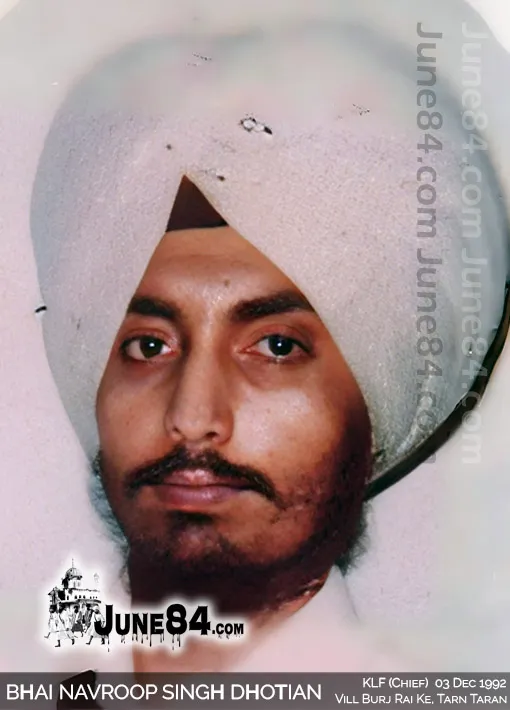
Navroop Singh Dhotian Biography, jiska asli naam Kamalpreet Singh tha, ek young Sikh militant leader the, jo Khalistan Liberation Force (KLF) ke chief ke roop mein jaane jaate the. Born around 1968-1970 in Dhotian village, Tarn Taran district, Punjab, India (exact date unavailable), unhone apna jeevan Khalistan movement ko samarpit kiya, especially 1992 mein short but intense leadership ke dauran. At the age of 22-24, unki shaheedi December 3, 1992, ko Mansa district mein fake police encounter mein hui, jahaan unhe SSP Gurdev Singh Sahota ke haathon maara gaya. Unki biography ek tragic kahani hai youth radicalization, family persecution, aur Sikh resistance ki, rooted in Punjab insurgency ke violent phase mein.

Navroop Singh Dhotian Biography, Case and Properties

Biography and History

नवरूप सिंह ढोटियाँ का इतिहास Dhotian village se juda hai, jahaan unhone ek simple Sikh family mein bachpan bitaya. Unke pita Sardar Kashmir Singh ek farmer the, aur maa Mata Surinder Kaur ghar sambhalti thi. 1978 ke Sikh-Nirankari clash aur 1984 ke Operation Blue Star ne unke parivaar aur community ko deeply affect kiya, leading to widespread Sikh persecution. Kamalpreet Singh, college days mein “Kanwal” ke naam se jaane jaate the, ek cheerful aur intelligent ladka tha, lekin family tragedies ne unhe militant path par dhakela. Unke younger brother ki drowning se maut aur maa ki death ne unhe personal sadness di, jo unhone constant smile ke peeche chhupaya.

1980s ke end mein, unhone KLF join kiya, jo 1986 mein Aroor Singh ne found kiya tha for Khalistan ke armed struggle. KLF, Babbar Khalsa International (BKI) se alag, security forces aur collaborators ko target karti thi. July 29, 1992, ko Gurjant Singh Budhsinghwala ki shaheedi ke baad, Navroop ne KLF ka chief banne ka zimma sambhala, becoming the youngest leader at just 22-24 years. Unki short tenure mein, unhone operations ko intensify kiya, including arms smuggling aur retaliatory attacks against police atrocities.

November 1992 mein, unki 70-year-old dadi Mata Datar Kaur aur uncle Salwinder Singh ko police ne kidnap karke maara, followed by another uncle Gurdial Singh ki torture death. Yeh incidents ne unki resolve ko mazboot kiya. December 3, 1992, ko, unhe Ralla Water Bridge, Mansa, mein abducted kiya gaya, aur fake encounter mein shaheed kiya gaya, saath mein ek unknown Singh bhi maara gaya. Police ne claim kiya ki ve armed the, lekin eyewitnesses ne isse extrajudicial killing bataya. Unki death ne KLF ko temporary setback diya, lekin Sikh diaspora mein unhe shaheed ke roop mein yaad kiya jaata hai.


Education (Study Navroop Singh Dhotian Biography)

Navroop Singh ki shiksha promising thi. Unhone Dhotian village ke local school se high school complete kiya, showing good academic performance. Baad mein, Khalsa College, Amritsar, se computer course kiya, jo us time advanced skill thi. College days mein, unhone Govt College Patti se +1 aur +2 non-medical stream mein padhai ki, jahaan unhe Kanwalpreet Singh Sandhu ke naam se jaana jaata tha. Friends unhe ek good-hearted ladka maante the, jo studies mein interested tha. No higher education pursue kiya due to family circumstances aur militancy involvement. Unki practical knowledge militant training se aayi, including arms handling aur strategy, possibly informal camps mein. Yeh education ne unhe KLF mein effective leader banne mein madad ki, blending intellect with Sikh values.


Wife and Family

Navroop Singh Dhotian ki shaadi ke baare mein koi confirmed information nahi hai; likely unhone shaadi nahi ki, as young age (22-24) aur militant life ne personal life ko prioritize nahi karne diya. Unke parivaar mein pita Sardar Kashmir Singh (late), maa Mata Surinder Kaur (late), do bhai (ek late), aur do behnein (Bibi Kulbeer Kaur late, Bibi Babbi late) the. Bhai Kawalpreet Singh (himself), Bhai Harjit Singh (late) bhi family ka hissa the. Parivaar ne heavy losses sahe; police ne unke ghar ko repeatedly raid kiya, aur multiple family members ko fake encounters mein maara gaya. 1992 mein, unki dadi aur uncles ki deaths ne parivaar ko devasted kar diya. Unki maa ki death ne unhe emotionally affect kiya, lekin unhone apni sadness ko chhupaya. Family Dhotian mein based rahi, facing constant harassment, lekin unki legacy Sikh resistance mein jeevit hai.


Work

Navroop Singh ka career student life se shuru hua, jahaan unhone computer course ke through future plan kiye the. Lekin 1980s ke end mein, unhone full-time militancy join ki KLF mein, initially as a member under Gurjant Singh Budhsinghwala. July 29, 1992, se December 3, 1992, tak, unhone KLF ka chief ka role nibhaya, during which unhone operations ko lead kiya against Punjab Police aur collaborators. Unki work included planning retaliatory attacks, arms procurement, aur youth recruitment for Khalistan cause. As a student at martyrdom time, unhone no formal job kiya; militancy unka primary “work” tha, driven by Sikh ideology. Unhone KLF-Budhsinghwala faction ko strengthen kiya, focusing on Doaba region.


Property, Income, Investment, Net Worth

Navroop Singh ki property details negligible hain, given young age aur militant status. Family ka modest farmland Dhotian mein tha, estimated 2-5 acres (Rs 50 lakh-1 crore in 1990s, about Rs 5-10 crore today), lekin police actions ne isse affected kiya. No personal property own kiya. Income primarily militant funding se tha, including diaspora donations aur small-scale looting, estimated Rs 50,000-1 lakh annually (about Rs 5-10 lakh today equivalent). No investments like stocks ya businesses; funds KLF operations ke liye use hue. Net worth at shaheedi (1992) minimal, around Rs 1-2 lakh (about Rs 10-20 lakh today), mostly family assets jo later seized ho gaye.


Babbar Khalsa

Navroop Singh Dhotian ka Babbar Khalsa International (BKI) ke saath direct involvement nahi tha, as unhone KLF mein active rahe. BKI, 1978 mein founded by Sukhdev Singh Babbar aur Talwinder Singh Parmar, Nirankari targets aur high-profile attacks par focus karti thi, jaise Air India bombing. Lekin KLF aur BKI ke beech occasional alliances the, especially Panthic Committee ke under for joint operations against security forces. Navroop ke leadership mein KLF ne BKI-style guerrilla tactics use kiye, lekin distinct rahe. No specific BKI operations se unka link, but Khalistan movement mein dono groups ka shared goal tha.


Khalistan

Khalistan movement, jisme Navroop Singh central the, ek Sikh separatist campaign thi for independent Punjab, sparked by 1978 Nirankari clash aur 1984 Operation Blue Star. As KLF chief, unhone short tenure mein movement ko boost diya, targeting police atrocities jo unke family ko affect kar rahi thi. Unki strategy included retaliatory strikes aur awareness campaigns for Sikh genocide. Shaheedi ne unhe young martyr banaya, inspiring diaspora Sikhs in Canada aur UK. KLF, BKI se alag, security forces par focus karti thi, aur Navroop ne isko lead kiya during peak insurgency. Unki death ne movement ko temporary hit diya, lekin legacy jeevit hai Sikh narratives mein.


In summary

Navroop Singh Dhotian ki zindagi youth sacrifice ki misaal hai. Student se KLF chief tak, unhone Khalistan ke liye jaan di, despite family tragedies. Unki shaheedi ne Sikh resistance ko strengthen kiya, lekin young age ne unki story ko tragic banaya.


Navroop Singh Dhotian Biography in hindi Navroop Dhotian Biography Navroop Dhotian Biography in hindi Navroop Singh Dhotian Navroop Singh Dhotian case Navroop Singh Dhotian wife Navroop Dhotian Navroop Dhotian fastnews123

Gurjant Singh Budhsinghwala Biography, Case and Properties

0
Gurjant Singh Budhsinghwala Biography
Gurjant Singh Budhsinghwala Case and Properties

Gurjant Singh Budhsinghwala Biography, a prominent Sikh militant leader, was the third chief of the Khalistan Liberation Force (KLF), a key organization in the Khalistan movement during the Punjab insurgency. Born in 1964 in Budhsinghwala village, Faridkot district, Punjab, India, he was radicalized by the 1978 Sikh-Nirankari clash and the 1984 Operation Blue Star, which fueled his commitment to establishing a sovereign Sikh state. Known for his intelligence and adherence to Sikh values, he led high-profile operations against Indian security forces and politicians. He was killed on July 29, 1992, in a controversial police encounter in Ludhiana, becoming a martyr for the Khalistan cause. His legacy as a disciplined and principled fighter endures among Sikhs, particularly in the diaspora.

Gurjant Singh Budhsinghwala Biography, Case and Properties

Biography and History

गुरजंत सिंह बुढ़सिंघवाला का इतिहास Budhsinghwala village se shuru hota hai, jahaan unhone apna childhood bitaya in a modest Jat Sikh farming family. 1978 ke Sikh-Nirankari clash aur 1984 ke Operation Blue Star ne unhe militant path par dhakela. Unhone Damdami Taksal mein Sant Jarnail Singh Bhindranwale se inspiration li, often meeting him to deepen his Sikh ideology.

In 1986, unhone Malwa Kesri Commando Force join kiya, which merged with KLF, and he rose to lieutenant-general under Avtar Singh Brahma. After Brahma’s death in 1988, Gurjant became KLF’s chief, leading operations like the 1987 killing of SSP Avinder Singh Brar and KRS Gill in Patiala, the 1990 assassination of former Punjab Finance Minister Balwant Singh, and the kidnapping of Romanian diplomat Liviu Radu in 1991 to highlight Sikh oppression globally. Unki death July 29, 1992, ko Ludhiana mein police encounter mein hui, though eyewitnesses claim he was killed 50 meters away in an alleyway, and his body was secretly cremated to prevent propaganda.


Education (Study Gurjant Singh Budhsinghwala Biography)

Gurjant Singh ki shiksha basic thi. Unhone Budhsinghwala ke village school mein 5th grade tak padhai ki, but family’s financial constraints ne unhe farming mein kaam karne ke liye majboor kiya. No formal higher education documented; instead, unhone Damdami Taksal mein religious training li, mastering Gurbani and Sikh history under Bhindranwale’s influence. Militant skills, including arms handling aur guerrilla tactics, likely self-taught ya Pakistan camps mein seekhe. His strategic planning, evident in operations like the 1987 Mith Singh killing, showcased a practical education rooted in Sikh values aur warfare.


Wife and Family

Gurjant Singh ke parivaar ke details limited hain. Unke parents, Sardar Nachhatar Singh aur Mata Surjit Kaur, farmers the. He had three brothers and one sister; unhone teen brothers—two killed during insurgency—aur ek sister ka mention kiya jata hai. No record of a wife or children exists, suggesting he remained unmarried, prioritizing militancy. Family faced severe police brutality, including the 1984 killing of his grandfather, Kehar Singh, in a police firing at Bibi Kahn Kaur Gurdwara, Moga. Police also humiliated Nachhatar Singh, dragging him by his hair. Mata Surjit Kaur’s cremation in 2019 with Khalsa honors reflects the family’s revered status in Sikh circles.


Work

Gurjant Singh ka career militancy par focused tha. Initially a farmer, unhone 1986 mein Malwa Kesri Commando Force join kiya, later merging with KLF. As KLF chief, unhone high-profile operations led, including the 1987 killing of SHO Mith Singh for targeting his family, the 1989 kidnapping of SP Des Raj’s son for prisoner releases, and the 1990 killing of SYL engineers ML Sekhri and Avtar Singh. He collaborated with KCF, BKI, and SSF for joint attacks, like the 1990 Tohra assault. Unka work included diaspora mobilization in Canada and Europe, ensuring funds and moral support. No traditional job held; his life was dedicated to Khalistan.


Property, Income, Investment, Net Worth

Property details scarce hain due to Gurjant’s fugitive status. Family ka farmland in Budhsinghwala, estimated 5-10 acres, valued at Rs 1-2 crore in 1980s (about Rs 10-20 crore today), was likely seized or compromised by police. Income came from diaspora donations (Canada, UK, US) and looting, estimated $20,000-$50,000 annually in 1980s (about $40,000-$100,000 today). A Rs 4 lakh bounty was placed on him. No investments like stocks; funds fueled KLF operations. Net worth at death (1992) estimated $50,000-$150,000 (Rs 35 lakh-1 crore), likely lost post-encounter.


Babbar Khalsa

Gurjant Singh ka Babbar Khalsa International (BKI) ke saath direct operational link tha, especially through joint operations. BKI, founded in 1978 by Sukhdev Singh Babbar, targeted Nirankaris, while KLF focused on security forces. Gurjant collaborated with BKI for attacks like the 1990 Tohra assault and worked with Husan Singh for the 1987 Mith Singh killing. His disciplined approach aligned with BKI’s puritan ideals, but KLF maintained a distinct Malwa-based identity. No evidence ties him to BKI’s Air India bombing.


Khalistan

Khalistan movement, jisme Gurjant Singh pivotal the, aimed for a sovereign Sikh state, triggered by 1978 Nirankari clash and 1984 Operation Blue Star. As KLF chief, unhone Malwa region mein operations intensify kiye, targeting police and politicians responsible for Sikh persecution. His actions, like the Radu kidnapping, globalized the Sikh struggle. Unki shaheedi on July 29, 1992, ne unhe martyr status diya, with annual commemorations in North America, Europe, and India, reinforcing his legacy in the diaspora.


In summary

Gurjant Singh Budhsinghwala ki zindagi Khalistan ke liye dedicated thi. From a farmer’s son to KLF chief, unhone Sikh resistance ko strengthen kiya with strategic operations. Unki shaheedi ne unhe diaspora mein immortalized kiya, symbolizing sacrifice aur Sikh values.


Gurjant Singh Budhsinghwala Biography in hindi Gurjant Budhsinghwala Biography Gurjant Budhsinghwala Biography in hindi Gurjant Singh Budhsinghwala case Gurjant Singh Budhsinghwala wife Gurjant Budhsinghwala Gurjant Singh Budhsinghwala fastnews123

Avtar Singh Brahma Biography, Case and Properties

0
Avtar Singh Brahma Biography
Avtar Singh Brahma Case and Properties

Avtar Singh Brahma Biography, a prominent Sikh militant leader, was a key figure in the Khalistan movement, serving as the second chief of the Khalistan Liberation Force (KLF) during the Punjab insurgency. Born in 1951 in Brahampura village, Tarn Taran, Punjab, India, he emerged as a revered and feared figure, known for his guerrilla tactics, strict discipline, and commitment to Sikh ideals. Radicalized by the 1978 Sikh-Nirankari clash and 1984 Operation Blue Star, Brahma led numerous operations against Indian security forces, earning the title “King of the Mand.” He was killed on July 22, 1988, near the India-Pakistan border, becoming a martyr for the Khalistan cause. His legacy as a Robin Hood-like figure endures among rural Sikhs and the diaspora, despite controversies over his militant actions.

Avtar Singh Brahma Biography, Case and Properties

Biography and History

अवतार सिंह ब्रह्मा का इतिहास Brahampura village se shuru hota hai, jahaan unhone apna childhood bitaya in a poor Sandhu Jat Sikh family. 1978 ke Sikh-Nirankari clash aur 1984 ke Operation Blue Star ne unhe radicalized kiya, pushing him toward armed struggle. At a young age, unhone Bidhi Chand Dal join kiya, becoming a Nihang Singh and taking amrit to become a Khalsa. 1984 mein, unhone Sant Jarnail Singh Bhindranwale ke saath Darbar Sahib mein service ki, but were sent out before Operation Blue Star to organize resistance.

In 1986, KLF ka formation hua under Aroor Singh, and after Aroor’s arrest and death in 1987, Brahma ne leadership sambhali. Unhone Gurjant Singh Budhsinghwala aur Pipal Singh ko lieutenant-generals banaya, leading high-profile operations like the 1986 Brahampura challenge against CRPF and Operation Mand (1986), where he allegedly shot down a helicopter. Brahma was killed on July 22, 1988, in a police encounter, though his death remained unconfirmed until Bhai Bhupinder Singh Canadian identified his body.


Education (Study Avtar Singh Brahma Biography)

Brahma ki shiksha limited thi. Unhone primary education Brahampura ke village school mein complete ki, but poverty ne unhe early age mein family farm par kaam karne ke liye majboor kiya. No formal higher education recorded; instead, unhone Bidhi Chand Dal mein religious aur martial training li, mastering Gurbani (credited with reading 18 hours daily) and Nihang combat skills. Militant tactics, including guerrilla warfare aur arms handling, likely self-taught ya Pakistan camps mein seekhe, as was common among Sikh militants post-1984. Unki strategic brilliance Operation Mand aur other encounters mein evident thi, showcasing a practical education rooted in Sikh ideology and warfare.


Wife and Family

Avtar Singh Brahma ke parivaar ke details limited hain. Unke parents, Sardar Sohan Singh aur Mata Chanan Kaur, ne unhe aur teen elder brothers—Balkar Singh, Sadha Singh, aur Hardev Singh—ko farm par support kiya. No record of a wife or children exists, suggesting Brahma remained unmarried, possibly due to his militant lifestyle. Family faced severe police harassment, with their Brahampura home targeted during the insurgency. Unke brothers continued farming, maintaining a low profile. Brahma’s commitment to the Khalsa Panth and his role as a Nihang likely prioritized movement over personal family life.


Work

Brahma ka career militancy par centered tha. Initially a farmer, unhone Bidhi Chand Dal mein Nihang training li, focusing on Sikh martial traditions. Post-1984, unhone Tat Khalsa form kiya, a small militant group targeting police personnel accused of fake encounters. As KLF chief from 1987, unhone major operations led, including the 1986 Brahampura CRPF challenge, attacks on CRPF/BSF convoys, and the 1988 killing of BJP Punjab Vice-President Khushi Ram Sharma and 12 others in Barnala by KLF’s Budhsinghwala. Brahma’s operations aimed at avenging Sikh persecution, earning him a Robin Hood reputation. Unhone diaspora support bhi mobilize kiya, especially from Canadian Sikhs like Bhai Harjinder Singh Para.


Property, Income, Investment, Net Worth

Property details scarce hain due to Brahma’s underground life. Family ka farmland in Brahampura, estimated 5-10 acres, valued at Rs 1-2 crore in 1980s (about Rs 10-20 crore today), was likely seized or compromised by police. Income came from looting, bank robberies, and diaspora donations (Canada, UK), estimated $10,000-$30,000 annually in 1980s (about $20,000-$60,000 today). No investments like stocks or businesses; funds were used for KLF operations, including arms smuggling. Net worth at death (1988) estimated $50,000-$150,000 (Rs 35 lakh-1 crore), mostly lost post-encounter.


Babbar Khalsa

Brahma ka Babbar Khalsa International (BKI) ke saath direct operational link limited tha, lekin KLF ne BKI ke saath occasional alliances banaye. BKI, founded in 1978 by Sukhdev Singh Babbar, focused on Nirankari clashes, while KLF under Brahma targeted security forces. Joint operations, like the 1990 attack on Gurcharan Singh Tohra, saw KLF and BKI claiming collective responsibility. Brahma’s discipline aligned with BKI’s puritanical ideals, but KLF’s focus remained on guerrilla warfare rather than BKI’s sectarian targets.


Khalistan

Khalistan movement, jisme Brahma central the, aimed for a sovereign Sikh state, triggered by 1978 Nirankari clash and 1984 Operation Blue Star. As KLF chief, unhone Mand region (240 sq km) ko de facto ruled kiya, earning the title “King of the Mand.” Key actions included Operation Mand (1986), where KLF repulsed security forces, and attacks on CRPF bases in retaliation for Brahampura raids. Brahma’s commitment to never harming civilians made him a folk hero among rural Sikhs. Unki shaheedi on July 22, 1988, ne Sikh diaspora mein martyr status diya, with an Akhand Paath held in Brahampura.

In summary

Avtar Singh Brahma ki zindagi Khalistan ke liye ek relentless struggle thi. From a poor farmer to KLF chief, unhone Sikh resistance ko defined kiya with discipline and bravery. Unki shaheedi ne unhe Sikh diaspora mein immortalized kiya, symbolizing defiance aur sacrifice.


Avtar Singh Brahma Biography in hindi Avtar Brahma Biography Avtar Brahma Biography in hindi Avtar Singh Brahma in hindi Avtar Singh Brahma case Avtar Singh Brahma wife Avtar Singh Brahma Avtar Singh Brahma fastnews123

Ranjit Singh Neeta Biography, Case and Properties

0
Ranjit Singh Neeta Biography
Ranjit Singh Neeta Case and Properties

Ranjit Singh Neeta Biography, also known as Ranjeet Singh, was a prominent figure in the Khalistan movement, serving as the chief of the Khalistan Zindabad Force (KZF), a militant organization aiming to establish a sovereign Sikh state in Punjab, India. Born around 1965 in Chogawan village, Jammu and Kashmir, India, Neeta’s life was marked by his transition from a transporter to a key militant leader, operating primarily from Lahore, Pakistan, under alleged Inter-Services Intelligence (ISI) patronage. His involvement in the Punjab insurgency, particularly in the 1990s and 2000s, made him a high-profile target, listed among India’s 20 most wanted persons in 2008.

Ranjit Singh Neeta Biography, Case and Properties

Biography and History

रणजीत सिंह नीता का इतिहास Chogawan village, Jammu, se shuru hota hai, jahaan unhone apna early life bitaya in a Sikh family. Initially a transporter, Neeta radicalized in the late 1980s, driven by the 1984 Operation Blue Star and anti-Sikh riots. In the early 1990s, he fled to Pakistan, settling in Lahore, where he founded or assumed leadership of KZF, a Jammu-based Sikh militant group. Under his command, KZF orchestrated arms smuggling, drone deliveries, and terror modules, notably the 2009 assassination of Rulda Singh and the Vienna Gurdwara attack.

Neeta collaborated with Germany-based associate Gurmeet Singh Bagga, radicalizing local youth like Akashdeep Singh and Balwant Singh for attacks in Punjab. His operations received funding from the UK, Malaysia, and Spain, with ISI providing safe havens and logistical support. In 2019, Punjab Police exposed his drone-based arms smuggling, leading to non-bailable warrants by the National Investigation Agency (NIA) in 2020. Neeta’s reported death in 2021 remains contentious, with speculations of foul play, though official sources cite a heart attack.


Education (Study Ranjit Singh Neeta Biography)

Neeta ki shiksha ke details limited hain. Sources suggest unhone basic schooling Chogawan mein complete ki, likely up to 8th or 10th grade, as was common in rural Jammu. No formal higher education documented; his expertise in militancy came from practical training, possibly in Pakistan camps, where he learned arms handling, explosives, and guerrilla tactics. His strategic planning, evident in KZF’s drone operations, indicates self-taught or ISI-guided skills rather than academic credentials. Unki education militant activities ke through practical thi, focusing on logistics and coordination rather than formal studies.


Wife and Family

Ranjit Singh Neeta ke parivaar ke baare mein specific information scarce hai. Sources confirm unhone shaadi ki thi, lekin wife ka naam ya details publicly unavailable hain. Family likely remained in Chogawan, facing police scrutiny due to Neeta’s militant activities. No mention of children or siblings exists, suggesting a low-profile family to avoid targeting by Indian authorities. Living in Lahore, Neeta was reportedly provided a posh house by ISI, indicating separation from his family in India. Family ka contribution to his militancy minimal tha, as Neeta operated independently from Pakistan.


Work

Neeta ka career initially transport business mein tha, operating in Jammu before his radicalization. Post-1990s, unhone full-time militancy embrace kiya, leading KZF to conduct attacks, arms smuggling, and recruitment. Key operations included the 2009 Vienna Gurdwara attack, killing Dera Sach Khand leader Rama Nand, and the assassination of Rulda Singh, head of Rashtriya Sikh Sangat. Unhone Punjab Police stations aur officers ko target kiya, especially post-2017, using sleeper cells and drone-delivered weapons. No traditional job held after fleeing to Pakistan; his work centered on coordinating terror modules with ISI support, radicalizing youth, and managing diaspora funds.


Property, Income, Investment, Net Worth

Property details minimal hain due to Neeta’s fugitive status. Family ka farmland in Chogawan, estimated 5-10 acres, valued at Rs 1-2 crore in 1990s (about Rs 10-20 crore today), was likely seized or compromised by police. In Lahore, ISI provided a luxurious residence, but no personal ownership confirmed. Income came from diaspora donations (UK, Malaysia, Spain) and extortion, estimated $20,000-$50,000 annually in 2000s (about $30,000-$75,000 today). No investments like stocks or businesses; funds were funneled into KZF operations, including arms and explosives. Net worth at death (2021) estimated $100,000-$300,000 (Rs 70 lakh-2 crore), likely frozen by EU sanctions post-2005 KZF ban.


Babbar Khalsa

Ranjit Singh Neeta ka Babbar Khalsa International (BKI) ke saath direct operational link limited tha, lekin KZF ne BKI ke saath occasional collaborations kiye, especially for arms smuggling and joint attacks. BKI, founded in 1978 by Talwinder Singh Parmar and Sukhdev Singh Babbar, focused on Nirankari clashes and high-profile attacks like the Air India bombing, whereas KZF under Neeta targeted security forces and pro-India figures. Sources indicate Neeta worked with BKI’s Balwant Singh, a convicted terrorist, to radicalize youth, but KZF maintained a distinct Jammu-based identity. No evidence ties Neeta directly to BKI’s major operations, but their shared ISI backing facilitated coordination.


Khalistan

Khalistan movement, jisme Neeta deeply involved tha, ek Sikh separatist campaign thi for an independent Punjab, triggered by 1978 Sikh-Nirankari clash and 1984 Operation Blue Star. As KZF chief, Neeta aimed to destabilize Punjab through targeted killings, arms smuggling, and drone deliveries, with a focus on Jammu-based Sikhs. Unki strategy included collaborating with Kashmiri militant groups, prompting mutual support in anti-India activities. The 2019 Punjab drone case and 2009 Vienna attack underscored KZF’s global reach, supported by diaspora funds and ISI logistics. Neeta’s death in 2021 marked a setback, but KZF’s legacy persists in Sikh diaspora narratives, especially in Europe and North America.


In summary

Ranjit Singh Neeta ki zindagi Khalistan ke liye ek relentless struggle thi. From a Jammu transporter to KZF chief in Pakistan, unhone militancy ko globalized kiya with ISI support. Unki death ne movement ko shock diya, lekin Sikh diaspora mein unki legacy jeevit hai, symbolizing defiance aur sacrifice.


Ranjit Singh Biography Ranjit Singh Neeta Biography in hindi ranjit Neeta Biography Ranjit Neeta Biography in hindi Ranjit Singh Neeta case Ranjit Singh Neeta wife Ranjit Singh Neeta fastnews123

Aroor Singh Biography, Case and Properties

0
Aroor Singh Biography
Aroor Singh Case and Properties

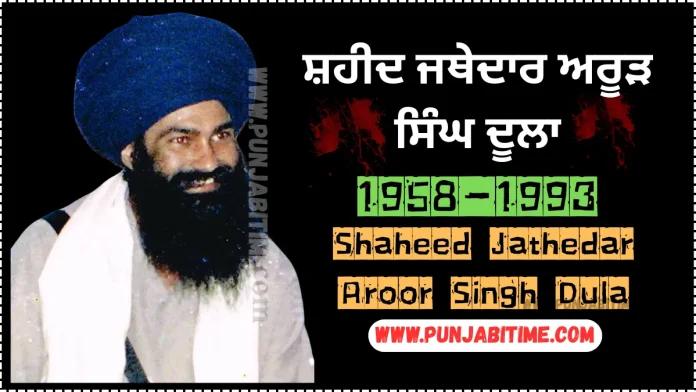
Aroor Singh Biography as it could refer to multiple individuals associated with the Khalistan movement or Sikh history. Based on available sources, the most relevant figures are Giani Aroor Singh Dula, a member of the Panthic Committee during the 1986 Sarbat Khalsa, and Aroor Singh, the founder of the Khalistan Liberation Force (KLF) in 1986. Since the user’s query aligns with the Khalistan movement and Babbar Khalsa, I will focus on Giani Aroor Singh Dula, as he is explicitly mentioned in the context of the Panthic Committee and the armed struggle for Khalistan. If the user intended another Aroor Singh (e.g., Aroor Singh of KLF or Arur Singh Shergill, a British-appointed manager of Darbar Sahib), please clarify, and I can adjust the response. 

Aroor Singh Biography, Case and Properties

Biography and History

Giani Aroor Singh Dula, ek prominent figure in the Khalistan movement, 1980s ke Punjab insurgency ke dauran ek key Sikh militant leader the. Unka janam likely 1950s mein Dula village, Punjab, mein hua, though exact date aur details scarce hain. As a Giani (Sikh religious scholar), unhone Sikh theology aur Damdami Taksal ke teachings mein deep involvement dikhaya. 1978 ke Sikh-Nirankari clash aur 1984 ke Operation Blue Star ne unhe radicalized kiya, pushing him toward armed struggle. 1986 ke Sarbat Khalsa mein, Aroor Singh ko Panthic Committee ka member chuna gaya, alongside Bhai Gurbachan Singh Manochahal, Bhai Gurdev Singh Osmanwala, Bhai Dhanna Singh, aur Bhai Wassan Singh Zaffarwal. Yeh committee Khalistan ke armed struggle ko coordinate karne ke liye bani thi, announcing the rebuilding of Akal Takht post-1984 destruction aur declaring Khalistan’s formation.

Aroor Singh ne apne real name ke bajaye “Giani Aroor Singh” pseudonym use kiya to avoid police detection, a common practice among militants. Unhone Khalistan Liberation Force (KLF) ke saath closely kaam kiya, which was founded by Aroor Singh (possibly another individual or alias confusion) in 1986. Unki leadership mein, Panthic Committee ne Sikh youth ko mobilize kiya, emphasizing Sikh traditions aur armed resistance against the Indian state. Unki activities included planning operations, fundraising, aur coordinating with other militant groups like Khalistan Commando Force (KCF) aur Babbar Khalsa International (BKI). Sources suggest unhone jungles mein hideouts banaye to evade Indian Army, especially post-1984 when baptized Sikhs were targeted. Unki death ya disappearance ka exact record nahi, lekin likely 1980s ke late ya 1990s ke early mein shaheedi hui during police encounters, as many Panthic Committee members were killed.

Education (Study Aroor Singh Biography)

Giani Aroor Singh ki shiksha primarily religious thi. As a Giani, unhone Damdami Taksal mein Sikh scriptures (Gurbani) aur theology ki deep study ki, possibly under Sant Jarnail Singh Bhindranwale’s guidance. Formal education ke details unavailable hain, lekin sources indicate unhone basic schooling Dula village ya nearby areas se ki, likely up to middle school (8th grade). Militant training, including guerrilla tactics aur arms handling, possibly Pakistan ke camps mein ya informally Punjab mein seekhi. Unki strategic knowledge Panthic Committee ke decisions mein dikhi, where unhone disciplined approach promote kiya for Khalistan struggle.

Wife and Family

Aroor Singh ke parivaar ke baare mein specific information limited hai. Sources confirm unhone shaadi ki thi, lekin wife ka naam undisclosed hai. Family likely Dula village mein based thi, including parents aur siblings, but no detailed records exist. Unke grandfather aur uncles ka militant struggle mein involvement mentioned hai, suggesting a family legacy of resistance. Police harassment ne unke family ko target kiya, as was common for militant families during the insurgency. No children mentioned in sources. Unki family ka contribution Sikh freedom movement mein significant tha, especially through their support for Aroor Singh’s activities in Panthic Committee.

Work

Aroor Singh ka career fully militancy aur Sikh activism par centered tha. Pre-1984, unhone possibly Damdami Taksal mein religious preaching ki, lekin Operation Blue Star ke baad, ve full-time militant bane. As Panthic Committee member, unhone Khalistan ke liye armed struggle ko lead kiya, collaborating with KLF, KCF, aur BKI. Key roles included organizing attacks against security forces, fundraising through diaspora (UK, Canada), aur planning operations like the 1986 rebuilding of Akal Takht. Unhone no traditional job held; their work revolved around guerrilla warfare, recruitment, aur propaganda. 1986 Sarbat Khalsa ke during, unhone press conference mein Khalistan ke goals articulate kiye, inspiring Sikh youth. Unki leadership disciplined thi, rooted in “Mera Sikhi Sidak Na Javai” (My Sikh faith shall not waver).

Property, Income, Investment, Net Worth

Property details minimal hain due to Aroor Singh’s fugitive lifestyle. Family ka farmland Dula village mein tha, estimated 5-10 acres (Rs 1-2 crore in 1980s, about Rs 10-20 crore today), lekin police raids ne isse compromised kiya. Income primarily diaspora donations aur extortion se aata tha, likely $10,000-$30,000 annually in 1980s (about $20,000-$60,000 today). No investments like stocks ya businesses; funds movement ke liye use hue, including arms smuggling from Pakistan. Net worth at presumed death estimated $50,000-$150,000 (Rs 35 lakh-1 crore), mostly seized or lost post-insurgency.

Babbar Khalsa

Aroor Singh ka Babbar Khalsa International (BKI) ke saath direct operational link tha, especially through Panthic Committee collaborations. BKI, founded in 1978 by Talwinder Singh Parmar and Sukhdev Singh Babbar, aimed to punish Nirankaris and promote Khalistan. Aroor Singh ne BKI ke saath joint operations mein participate kiya, like attacks on security forces aur infrastructure. For example, BKI, KLF, KCF, aur SSF ne collectively 1990 mein Gurcharan Singh Tohra par attack claimed, jisme Aroor Singh ka strategic input possible tha. Lekin, Panthic Committee ke focus broader tha, uniting multiple groups under Khalistan’s banner, unlike BKI’s specific anti-Nirankari agenda.

Khalistan

Khalistan movement, jisme Aroor Singh deeply involved the, ek Sikh separatist campaign thi for sovereign Punjab, triggered by 1978 Sikh-Nirankari clash aur 1984 Operation Blue Star. As Panthic Committee member, unhone 1986 Sarbat Khalsa mein Khalistan declare kiya, mobilizing Sikh diaspora in Canada, UK, aur US. Unki strategy included rural support aur guerrilla tactics, avoiding civilian casualties where possible. Unhone Akal Takht rebuilding ko prioritize kiya, symbolizing Sikh sovereignty. Unki shaheedi (if occurred) ne unhe martyr status diya, with Dula village as a resistance symbol.

In summary

Giani Aroor Singh Dula ki zindagi Khalistan ke liye dedicated thi. Panthic Committee ke through, unhone Sikh struggle ko unified kiya, inspiring generations. Unki legacy Dula village aur Sikh diaspora mein jeevit hai, symbolizing resistance against oppression.

Aroor Singh in hindi Aroor Singh biography in hindi Aroor Singh kon hai Aroor Singh history Aroor Singh case Aroor Singh wife Aroor Singh fastnews123

Jasbir Singh Rode Biography, Case and Properties

0
Jasbir Singh Rode Biography
Jasbir Singh Rode Case and Properties

Jasbir Singh Rode Biography, a prominent figure in the Sikh militant movement, was a key leader in the Khalistan struggle and served as the Jathedar of Akal Takht from January 1986 to 1988. Born in 1952 in Rode village, Moga district, Punjab, India, he was the nephew of Jarnail Singh Bhindranwale, a central figure in the Sikh separatist movement. Rode’s life was shaped by his deep ties to the Damdami Taksal and his role in founding the International Sikh Youth Federation (ISYF). His leadership during the turbulent 1980s, marked by the Punjab insurgency, made him a polarizing figure—revered by some as a Sikh hero and branded a terrorist by others. He passed away in 2018 in Pakistan, where he lived in exile for decades. His biography reflects a complex journey of religious fervor, militancy, and political ambition.

Jasbir Singh Rode Biography, Case and Properties

Biography and History

जसबीर सिंह रोड़े का इतिहास Rode village se shuru hota hai, jahaan unhone apna bachpan bitaya in a Jat Sikh family deeply rooted in Sikh traditions. Unke pita, Jagir Singh, aur uncle, Jarnail Singh Bhindranwale, ne unhe Sikh ideology aur resistance ke liye prerna di. 1978 ke Sikh-Nirankari clash aur 1984 ke Operation Blue Star ne unke radicalization ko fuel kiya. Rode joined Damdami Taksal at 17, becoming a close aide to Bhindranwale, whose fiery rhetoric against perceived Sikh oppression inspired him. 

In 1984, Rode co-founded ISYF in the UK with Harpal Singh, aiming to mobilize Sikh diaspora for Khalistan. Unhone 1986 mein Sarbat Khalsa ke during Akal Takht ka Jathedar bane, declaring Khalistan’s formation, a bold move that escalated tensions with the Indian government. Lekin, unki militant advocacy led to his expulsion from the UK in December 1984 for inciting violence. 

He was arrested in Manila, Philippines, while seeking asylum and imprisoned in India for two years. Post-release in 1988, unhone moderate stance apnaya, advocating constitutional changes within India, which disappointed many radical followers and caused a rift in ISYF. Rode later fled to Pakistan, where he lived in Lahore until his death in 2018, allegedly under ISI protection, coordinating Khalistani activities. His brother, Lakhbir Singh Rode, continued ISYF leadership, while Jasbir remained a symbolic figure for Sikh militancy.


Education (Study Jasbir Singh Rode Biography)

Rode ki shiksha modest thi. Unhone Rode village aur baad mein Amritsar ke local schools mein padhai ki, likely up to 10th grade, lekin no higher education pursue kiya. Damdami Taksal mein religious training ne unhe Sikh theology aur Gurbani ka deep knowledge diya, shaping his ideological foundation. Unki militant training, possibly in Pakistan camps, included arms handling and guerrilla tactics, though no formal military education documented. His strategic acumen came from practical experience and Bhindranwale’s mentorship, not academic degrees.


Wife and Family

Jasbir Singh ki shaadi ke details limited hain, lekin sources confirm unhone shaadi ki thi, with wife’s name undisclosed. Unke parivaar mein pita Jagir Singh (shaheed during insurgency), maa (name unknown), aur brother Lakhbir Singh Rode, ISYF chief, prominent the. Family faced severe persecution; Jagir Singh was killed, and brother Swaran Singh also died during the militancy period. Rode ke family ties to Bhindranwale ne unhe Sikh community mein legitimacy di, but also made them targets of police crackdowns. Post-1988, family maintained a low profile, with Jasbir in exile and Lakhbir in Pakistan.


Work

Rode ka career militancy aur Sikh activism par centered tha. Damdami Taksal mein early religious preaching ke baad, unhone ISYF form kiya to globalize Khalistan movement. As Akal Takht Jathedar, unhone Sikh institutions ko strengthen kiya, pushing for Khalistan through speeches and diaspora mobilization. No traditional job held; his work involved coordinating attacks, fundraising, and propaganda, allegedly with ISI support. Post-1988, unhone moderate political approach apnaya, focusing on constitutional advocacy, but remained influential in Sikh separatist circles until his death.


Property, Income, Investment, Net Worth

Property details scarce hain due to his fugitive life. Family ka ancestral farmland Rode village mein tha, estimated 5-10 acres (Rs 1-2 crore in 1980s, about Rs 10-20 crore today), lekin police seizures ne isse compromised kiya. No confirmed assets in Pakistan ya abroad, though he lived comfortably in Lahore. Income primarily diaspora donations se aata tha, especially from UK, Canada, and US Sikh communities, estimated $20,000-$50,000 annually in 1980s-90s (about $40,000-$100,000 today). No investments like stocks; funds movement ke liye use hue. Net worth at death (2018) estimated $100,000-$300,000 (Rs 70 lakh-2 crore), likely frozen or seized post-insurgency.


Babbar Khalsa

Jasbir Singh Rode ka Babbar Khalsa International (BKI) ke saath direct operational link nahi tha, lekin ISYF ne BKI ke saath collaborations kiye, especially for arms smuggling and attacks. BKI, founded in 1978 by Sukhdev Singh Babbar and Talwinder Singh Parmar, focused on Nirankari clashes and sectarian violence, while Rode’s ISYF emphasized global Sikh mobilization. Rode ke nephew, Amritpal Singh, was linked to BKI’s Paramjit Singh Pamma, showing indirect ties. BKI ke high-profile attacks, like the 1985 Air India bombing, se Rode ka koi direct involvement nahi, but ISYF-BKI alliances strengthened militancy networks.


Khalistan

Khalistan movement, jisme Rode pivotal the, ek Sikh separatist campaign thi for an independent Punjab, sparked by 1978 Sikh-Nirankari clash and 1984 Operation Blue Star. Rode ne 1986 Sarbat Khalsa mein Khalistan declare kiya, envisioning a sovereign Sikh state. Unki ISYF ne diaspora support mobilize kiya, especially in Canada and UK, raising funds and awareness. Post-1988 moderation ne unki radical image ko dilute kiya, lekin unhone Pakistan se movement ko coordinate kiya with alleged ISI backing. Unki legacy Sikh diaspora mein strong rahi, with Rode village as a symbolic hub for Khalistani sentiment.


In summary

Jasbir Singh Rode ki zindagi Khalistan movement ke liye dedicated thi. Damdami Taksal se Akal Takht tak, unhone Sikh struggle ko global stage par le gaye. Unki moderate shift aur exile life ne unki legacy ko complex banaya, lekin Rode village aur Sikh diaspora mein unka influence ab bhi hai.


Jasbir Singh Rode Biography in hindi Jasbir Rode Biography in hindi Jasbir Rode Biography Jasbir Singh Rode history Jasbir Singh Rode case Jasbir Singh Rode in hindi Jasbir Singh Rode Jasbir Singh Rode fastnews123

Seetal Singh Matewal Biography, Case and Properties

0
Seetal Singh Matewal Biography
Seetal Singh Matewal Case and Properties

Seetal Singh Matewal Biography, ek prominent Sikh militant aur Dashmesh Regiment ke founder, Punjab insurgency ke dauran Khalistan movement ke liye ek fearless warrior the. Born in 1962 in Matewal village, Amritsar district, Punjab, India, unhone apna jeevan Sikh struggle aur resistance ke liye samarpit kiya. Unki shaheedi September 12, 1991, ko Matewal ke outskirts mein Punjab Police ke saath fierce encounter mein hui, jisme ve five Singhs ke saath 12,000 Indian security forces ke against ladte hue shaheed hue. Unki biography ek kahani hai bravery, sacrifice, aur unwavering commitment ki, rooted in Punjab’s violent 1980s-90s.

Seetal Singh Matewal Biography, Case and Properties

Biography and History

सीतल सिंह मट्टेवाल का इतिहास Matewal village se shuru hota hai, jahaan unhone apna bachpan bitaya in a Jat Sikh family. Unke pita Sardar Bhaan Singh aur maa Bibi Amar Kaur the, jo ek traditional Sikh parivaar se the. 1984 ke Operation Blue Star aur subsequent anti-Sikh riots ne unke andar rebellion ki aag jalayi, converting their anger into a “blazing fire” for justice.

1989 mein, unhone Bhindranwale Tiger Force of Khalistan (BTFK) join ki under Baba Gurbachan Singh Manochahal, lekin baad mein apni alag jathebandi, Dashmesh Regiment, form ki to advance the Khalistan cause. Initially called Khalistan Armed Force, is jathebandi ko Dashmesh Regiment naam mila, known for its disciplined and principled guerrilla warfare. Unhone operations led against Indian security forces, focusing on open-field encounters to avoid civilian casualties, famously stating, “Mera Police naal muqabla abadi vich na hova, khula kheta vich hova, phir main Delhi diya forca nu das du ki muqabla keva hounda” (My encounters with police should not harm innocents, but take place in open fields where I’ll show Delhi’s forces what a real fight is).

September 11-12, 1991, ke encounter mein, Seetal Singh aur unke comrades—Tarsem Singh, Gurdial Singh, Gurmukh Singh, aur Gurnam Singh—ne Matewal ke fields mein Indian Army ke armored units ka muqabla kiya, supported by BTFK aur other militant groups. Yeh battle legendary bani, with local villagers’ spirits soaring as Singhs fought valiantly. Unki shaheedi ne unhe Sikh freedom movement mein immortalized kiya, aur Matewal village ko “shaheedan da pind” (village of martyrs) ke roop mein pehchaan mili.


Education (Study Seetal Singh Matewal Biography)

Seetal Singh ki shiksha limited thi. Unhone Matewal ke local school mein padhai ki, likely up to middle school (8th grade), lekin no formal higher education pursue kiya. Unki training militant activities se aayi, including guerrilla warfare, arms handling, aur tactical planning, possibly through self-taught methods ya informal camps. Dashmesh Regiment ke formation mein unki strategic brilliance dikhi, focusing on disciplined warfare inspired by Guru Gobind Singh’s principles. No academic degrees ya certifications reported; unki education practical aur movement-driven thi.


Wife and Family

Seetal Singh Matewal ki shaadi ke baare mein specific details scarce hain, lekin sources suggest unhone shaadi ki thi, though wife ka naam publicly undisclosed hai. Unke parivaar mein pita Sardar Bhaan Singh, maa Bibi Amar Kaur, five brothers (Kulwant Singh, Beant Singh, Sucha Singh, Gurnam Singh, Keval Singh), aur two sisters (Parkash Kaur, Gurmeet Kaur) the. Family ne heavy price pay kiya for his militancy; Punjab Police ne unke ghar aur relatives ko constantly harass kiya, interrogations aur torture ke through, to pressure Seetal Singh to surrender, lekin unhone kabhi haar nahi maani. Matewal village ke do aur shaheed, Sham Singh Matewal aur Tarsem Singh Matewal, bhi unke relatives ya associates the, strengthening village’s legacy in the Sikh struggle.


Work

Unka career fully militancy par centered tha. Pre-1989, unhone likely family farming mein madad ki, lekin Operation Blue Star ke baad, ve full-time militant bane, initially with BTFK under Manochahal. Dashmesh Regiment ke founder ke roop mein, unhone operations planned against security forces, collaborating with Singhs like Sukhwinder Singh Brar, Madha Singh Babbar, Charanjit Singh Jalandhar, aur others. Unki strategy open-field battles thi to minimize civilian harm, earning respect among locals. Unhone no traditional job held; work revolved around organizing attacks, arms smuggling, aur recruitment for Khalistan. Arrest in Amritsar ek informant ke betrayal ke baad hui, lekin ve escaped aur continued fighting until shaheedi.


Property, Income, Investment, Net Worth

Property details minimal hain due to fugitive lifestyle. Family ka farmland Matewal mein tha, estimated 5-10 acres (Rs 1-2 crore in 1990s, about Rs 10-20 crore today), lekin police harassment ne isse compromised kiya. Income primarily diaspora donations aur extortion se aata tha, likely $10,000-$30,000 annually (1990s USD, about $20,000-$60,000 today). No investments like stocks ya businesses; funds movement ke liye use hue. Net worth at death estimated $50,000-$150,000 (Rs 35 lakh-1 crore), mostly seized post-shaheedi.


Babbar Khalsa

Seetal Singh ka Babbar Khalsa International (BKI) ke saath direct operational involvement tha, especially early militancy mein. Unhone BKI ke Singhs like Sukhwinder Singh Brar aur Madha Singh Babbar ke saath kaam kiya, participating in joint operations against security forces. BKI, founded in 1978 by Talwinder Singh Parmar, aimed to punish Nirankaris aur promote Khalistan, aur Matewal ke Dashmesh Regiment ne BKI ke saath alliances banaye for logistics aur support. Lekin Dashmesh Regiment apni distinct identity rakhi, focusing on Guru Gobind Singh’s principles of disciplined warfare. BKI ke high-profile attacks, jaise Air India bombing, se Matewal ka koi direct link nahi, lekin unki BKI ke saath collaboration ne unke operations ko strengthen kiya.


Khalistan

Khalistan movement, jisme Seetal Singh deeply involved the, ek Sikh separatist campaign thi for sovereign Punjab, triggered by 1978 Sikh-Nirankari clash aur 1984 Operation Blue Star. Matewal ne movement ko Dashmesh Regiment ke through advance kiya, focusing on guerrilla tactics aur rural support. Unki vision thi “Khalsa raj” establish karna, rejecting compromises with Indian state. Unhone local villagers ko inspired kiya, especially Matewal encounter mein, jahaan unki bravery ne movement ko moral boost diya. Shaheedi ke baad, unki legacy Sikh diaspora mein, particularly Canada aur UK, mein strong rahi, with Matewal village as a symbol of resistance.


In summary

Seetal Singh Matewal ki zindagi Sikh resistance aur Khalistan ke liye ek inspiring example hai. Matewal encounter ne unhe shaheedan da sardar banaya, aur unki legacy Punjab aur diaspora mein jeevit hai, symbolizing defiance against oppression.


Seetal Singh Matewal Biography in hindi Seetal Matewal Biography Seetal Matewal Biography in hindi Seetal Singh Matewal history Seetal Singh Matewal case Seetal Singh Matewal Seetal Singh Matewal in hindi Seetal Singh Matewal fastnews123

Gurbachan Singh Manochahal Biography, Case and Properties

0
Gurbachan Singh Manochahal Biography
Gurbachan Singh Manochahal Case and Properties

Gurbachan Singh Manochahal Biography, ek prominent Sikh militant leader aur Bhindranwale Tiger Force of Khalistan (BTFK) ke founder, Punjab insurgency ke dauran Khalistan movement ke liye ek key figure the. Born on June 6, 1954, in Manochahal village, Tarn Taran district, Punjab, India, unhone apna jeevan Sikh separatism aur resistance ke liye samarpit kiya. Unki death February 28, 1993, ko Rataul village mein Punjab Police ke saath encounter mein hui, jisme ve shaheed hue, carrying a Rs 30 lakh bounty. Unki biography ek tale hai courage, sacrifice, aur controversy ki, rooted in Punjab’s turbulent 1980s-90s.

Gurbachan Singh Manochahal Biography, Case and Properties

Biography and History

गुरबचन सिंह मनोचाहल का इतिहास Punjab ke rural roots se shuru hota hai. Born to Atma Singh and Gurmej Kaur in a Chahal Jat Sikh family, unhone childhood Manochahal village mein bitaya, baad mein Naushera Pannuan shift hue due to family’s farm responsibilities. Unki family ka history struggle se juda tha; unke chacha Jaito Morcha mein shaheed hue against British Raj.

Young age mein, ve Indian Army mein surveyor in artillery division ke roop mein joined, lekin 10-month imprisonment ke baad quit kiya due to an altercation, possibly fueled by his Sikh identity. 1978 Sikh-Nirankari clash mein arm injury ke baad, unhone Damdami Taksal ke saath strong ties banaye, closely working with Jarnail Singh Bhindranwale and Amrik Singh. 1984 Operation Blue Star ke during, Bhindranwale ke hukam par ve Darbar Sahib se bahar rahe to continue the struggle. 1986 Sarbat Khalsa mein, unhone Khalistan declare kiya as Jathedar of Akal Takht (April 1986-January 1987), forming Panthic Committee with Wassan Singh Zaffarwal and others.

Unhone BTFK form ki in 1984, leading attacks like the 1990 killing of Amritsar Jail Superintendent Pyara Lal for alleged torture of Sikhs. 1992 elections par unki pro-participation stance ne controversy create ki, with Dr. Sohan Singh’s Panthic Committee boycotting it, calling him a government agent—a claim he denied. Manochahal multiple police dragnets se bache, including 45 simultaneous raids, lekin 1993 mein Rataul mein shaheed hue, allegedly betrayed by close associates.


Education (Study Gurbachan Singh Manochahal Biography)

Manochahal ki education basic thi. Unhone 10th grade tak padhai ki in Naushera Pannuan, lekin no higher education pursue kiya. Army mein surveyor training li, jo technical skills provide ki. Militancy mein, unhone guerrilla warfare aur arms handling self-taught kiya, possibly Pakistan ke camps mein during brief visits (e.g., Darra, NWFP). Unki strategic wisdom, jaise conserving ammunition in encounters, ne unhe respected general banaya, lekin formal degrees nahi the.


Wife and Family

Gurbachan Singh ki shaadi hui thi, aur unke teen bete the, lekin wife ka naam publicly undisclosed hai. Family ne heavy price pay kiya for his militancy. Police ne unke ghar ko Naushera Pannuan mein seized kiya, converting it into a police station, aur family ko homeless kiya. Unke 70-year-old father, Atma Singh, ko multiple arrests ke baad police custody mein shaheed kiya gaya, aur 8-year-old son bhi detained hua. Bhai Mohinder Singh, unka brother, BTFK mein close associate tha, lekin arms distribution par disagreement ke baad parted. Family faced daily harassment, interrogations, aur torture to pressure Manochahal to surrender, lekin unhone refuse kiya.


Work

Manochahal ka career primarily militancy par focused tha. Army ke baad, unhone no formal job held, dedicating life to Khalistan struggle. As BTFK chief, unhone operations led, including targeted killings aur arms smuggling, with lieutenants like Sukhwinder Singh Sangha aur Surjeet Singh Behla. Unhone rural Punjab mein guerrilla bases banaye, especially Mand swamps mein, jahaan huts aur Gurdwara establish kiya. Unki strategy included avoiding wasteful violence, focusing on precise attacks. Allegations of looting aur extortion unke against lagaye gaye, lekin supporters claim yeh government propaganda tha.


Property, Income, Investment, Net Worth

Property details limited hain due to underground life. Family ka farmland Naushera Pannuan mein tha, jo police ne seize kiya, estimated Rs 1-2 crore (1990s, about Rs 10-20 crore today). No personal properties abroad confirmed, despite Pakistan visits. Income diaspora donations, extortion, aur militant funding se aata tha, likely $20,000-$50,000 annually (1990s USD, about $40,000-$100,000 today). No investments like stocks; funds movement ke liye use hue. Net worth at death estimated $100,000-$300,000 (Rs 70 lakh-2 crore), mostly seized post-death.


Babbar Khalsa

Babbar Khalsa International (BKI) ke saath Manochahal ka direct involvement nahi tha, lekin unki BTFK ne BKI ke saath occasional alliances banaye, like 1990 mein Pyara Lal killing. BKI, founded in 1978, focused on Nirankari clashes aur sectarian violence, while Manochahal’s BTFK aimed for broader Khalistan goals. 1992 elections par BKI ne boycott support kiya, jabki Manochahal ne participation advocate ki, causing rift. BKI ke operations, jaise Air India bombing, Manochahal se alag the, lekin dono groups ne Punjab insurgency mein significant roles play kiye.


Khalistan

Khalistan movement, jisme Manochahal central the, ek Sikh separatist campaign thi for independent Punjab, sparked by 1978 Nirankari clash aur 1984 Operation Blue Star. Unhone 1986 Sarbat Khalsa mein Khalistan declare kiya, envisioning “Khalsa raj” over Delhi Takht, rejecting compromises. Unki strategy included political participation to legitimize Khalistan, lekin boycott by others ne isse undermine kiya. Manochahal ne rural support mobilized, avoiding urban strongholds, aur refused surrender despite family torture. Unki shaheedi ne unhe martyr status diya Sikh diaspora mein, especially USA aur Canada.


In summary

Gurbachan Singh Manochahal ki zindagi Sikh resistance aur Khalistan ke liye dedicated thi. Army se militancy tak, unhone Punjab insurgency ko shape kiya, lekin family tragedies aur betrayal ne unki legacy ko complex banaya. Unki shaheedi ne unhe Sikh diaspora mein immortalized kiya.

Gurbachan Singh Manochahal Biography in hindi Gurbachan Manochahal Biography Gurbachan Manochahal Biography in hindi Gurbachan Singh Biography Gurbachan Singh Biography in hindi Gurbachan Singh Manochahal case Gurbachan Singh Manochahal history Gurbachan Singh Manochahal fastnews123